"Backrooms" Succeeds
We got a movie that takes the old school approach of trying to creep you out with chilling atmosphere more than anything else.
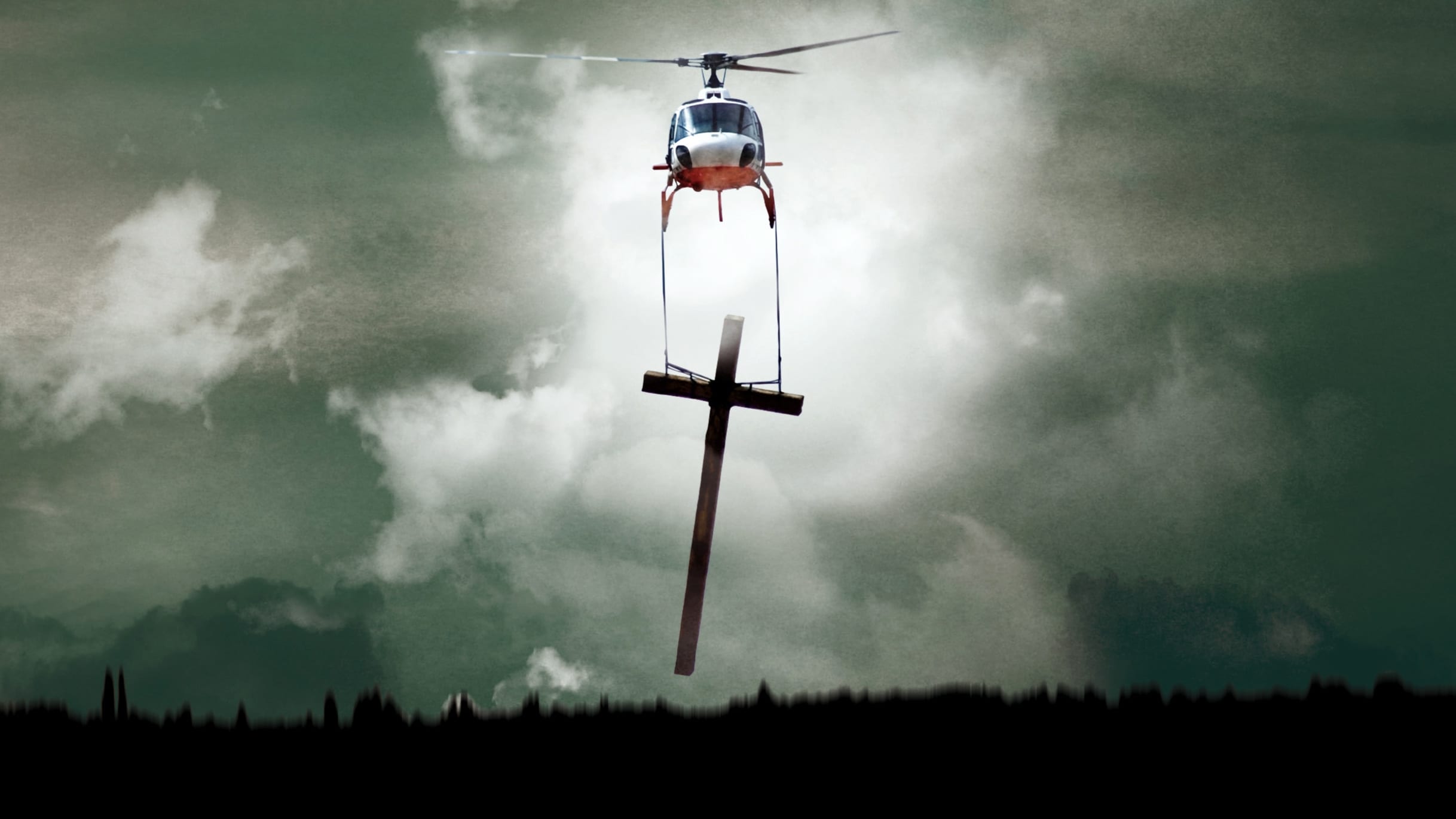
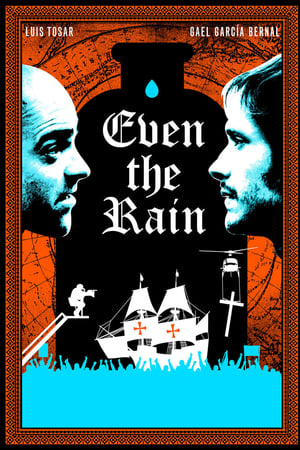


When discussing diversity in film, it can be tempting to mistake the mere presence of diversity for meaningful representation. All too often, however, films cast members of underrepresented groups with no real intention of telling their stories. For example, films that aim to criticize eurocentrism and colonialism often inadvertently perpetuate eurocentrism by placing the colonizer at the center of the narrative.
This hypocrisy appears in Icíar Bollaín’s 2010 film También la Iluvia, also known by its English title Even the Rain, the story of an idealistic director and his ruthlessly practical producer attempting to make an anti-colonial film about Columbus. They shoot the film in Bolivia and cast Indigenous (specifically Quechua) people as extras to save money, but growing protests against the privatization of water soon disrupt filming. The film portrays the Quechua’s exploitation at the hands of both the Bolivian government and the Spanish filmmakers. It also engages in the same exploitive patterns that it claims to condemn. While También la Iluvia attempts to critique colonialist portrayals of Indigenous people, it ultimately repeats colonialist narratives by centering Spanish characters and relegating Quechua characters to a supplementary status.
From the opening of the film, También la Iluvia treats its Quechua characters as background decoration. When producer Costa(Luis Tosar)and director Sebastián(Gael Garcia Bernal) arrive at an audition site to cast actors as Taino characters in their film, they see an immense line of people waiting for a chance to audition. The camera pans across the crowd of Quechuas without singling any of them out. With the exception of the character Daniel and his daughter, none of the Quechuas in the scene are treated as individuals. They have no voice, no character, and no role in the scene beyond acting as living scenery. This pattern continues throughout the film. Daniel and (to a much lesser degree) his wife and daughter contribute to the film’s narrative and have stories and motivations of their own. The other Quechua characters exist only in the background, filling in as the natives in Sebastián’s film or cheering as Daniel rallies them at a protest. They are “extras” both textually and meta-textually, serving no narrative purpose to Tambien la Iluvia or the film within the film.
Meanwhile, the film contains a plethora of Spanish characters with distinct personalities and motivations. In addition to Costa and Sebastián, there is Antón(Karra Elejalde), an alcoholic who hides his troubled home life behind sardonic humor. Maria(Cassandra Ciangherotti), the assistant director who wants to make a documentary film about the Bolivian water wars and seems to harbor a hidden crush on Sebastián, Alberto(Carlos Santos), an actor who hypocritically celebrates his character for standing up to injustice while reacting to actual injustice with cowardice and several more. The film affords all of its Spanish characters, both major and secondary, with backstories and inner emotional lives. Conversely, with the exception of Daniel and his family, the film strips its Quechua characters of their individuality. The lack of speaking roles for Quechua actors deprives them of their voices and their right to tell a story that is nominally their own.
Ethnically unbalanced casting in films like También la Iluvia has a very real financial impact on indigenous actors. The majority of the Quechua roles in the film are minor or non-speaking parts, which result in far less pay. Daniel is the only major Quechua character, while most of the main cast is Spanish. This deficit of roles for Indigenous actors vastly limits opportunities for actors like Juan Carlos Aduviri, who plays Daniel. Comparing Aduviri’s filmography to those of his co-stars Luis Tosar (who Spanish and white) and Gael Garciá Bernal (who is Mexican and, to the best of my knowledge, non-Indigenous) clearly illustrates the film industry’s ethnic and racial bias. Whereas Tosar currently has 113 acting credits to his name and Bernal has 62, Aduviri has only 12, five of which are short films. The discrepancy becomes even greater when gender comes into play. Daniel’s wife and daughter, the only other notable indigenous speaking roles in the film, are played by Leónidas Chiri and Milena Soliz. Neither actress has appeared in any films before or since También la Iluvia. Indigenous actors face immense challenges when seeking roles, let alone speaking roles, making it harder for them to continue their acting careers and tell Indigenous stories.

As a director and his crew shoot a controversial film about Christopher Columbus in Cochabamba, Bolivia, local people rise up against plans to privatize the water supply.
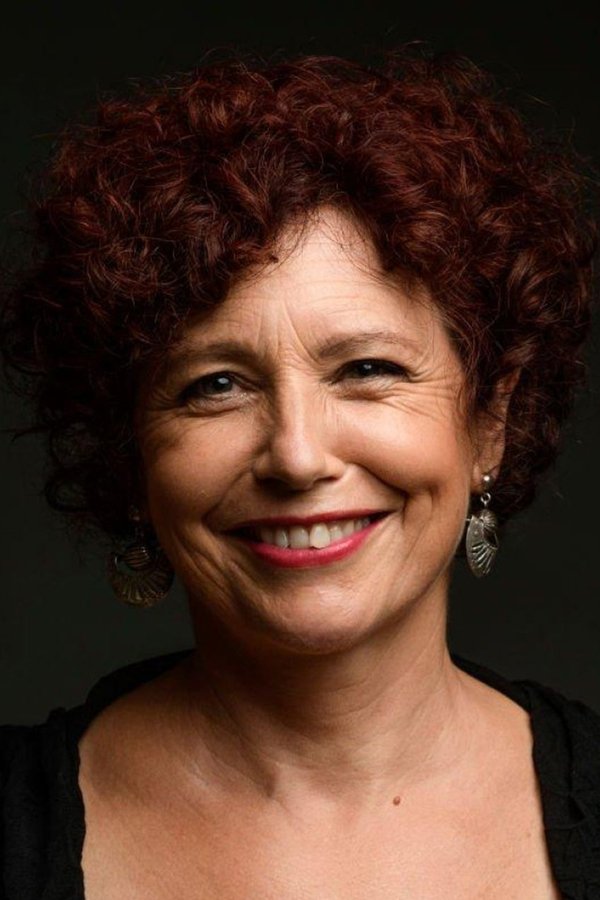
Icíar Bollaín
Director

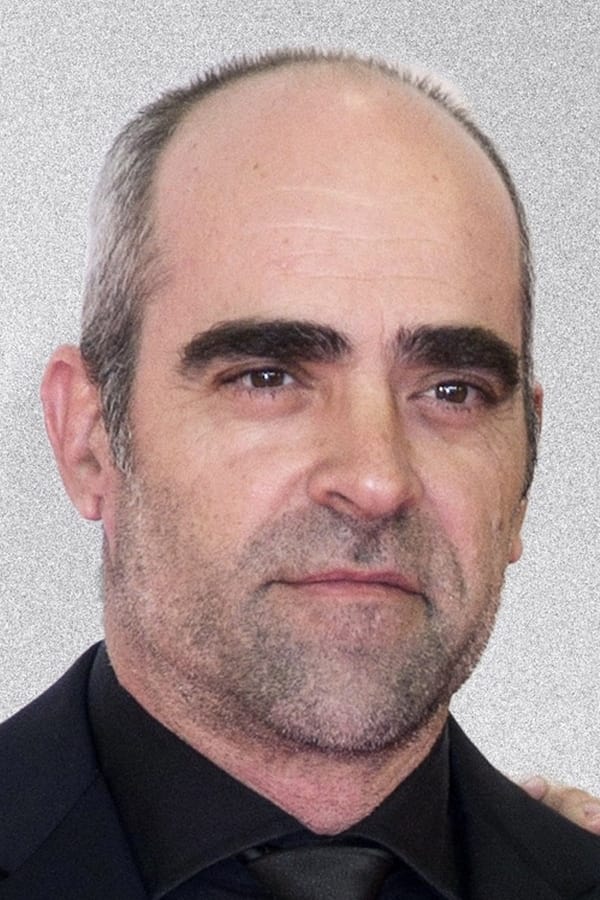
Luis Tosar
Costa
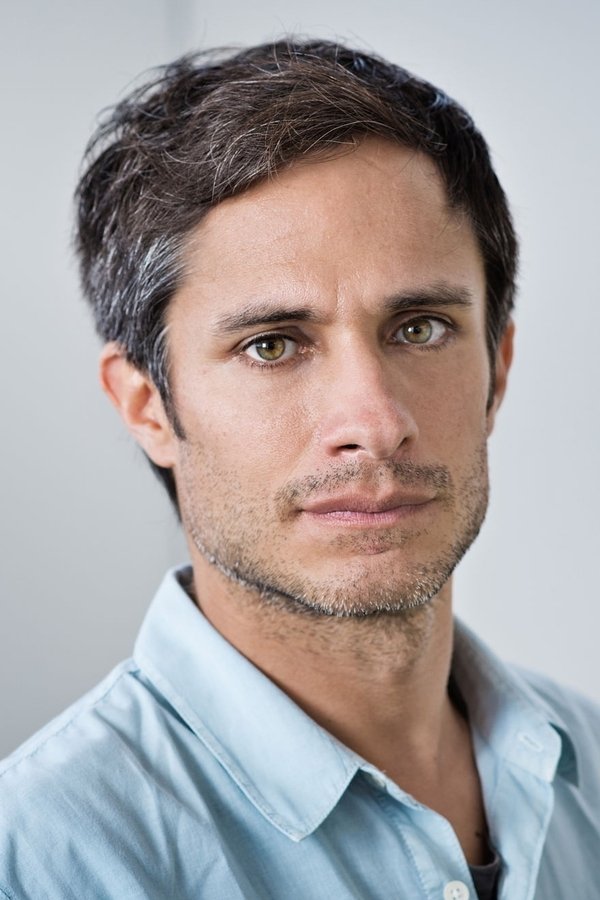
Gael García Bernal
Sebastián
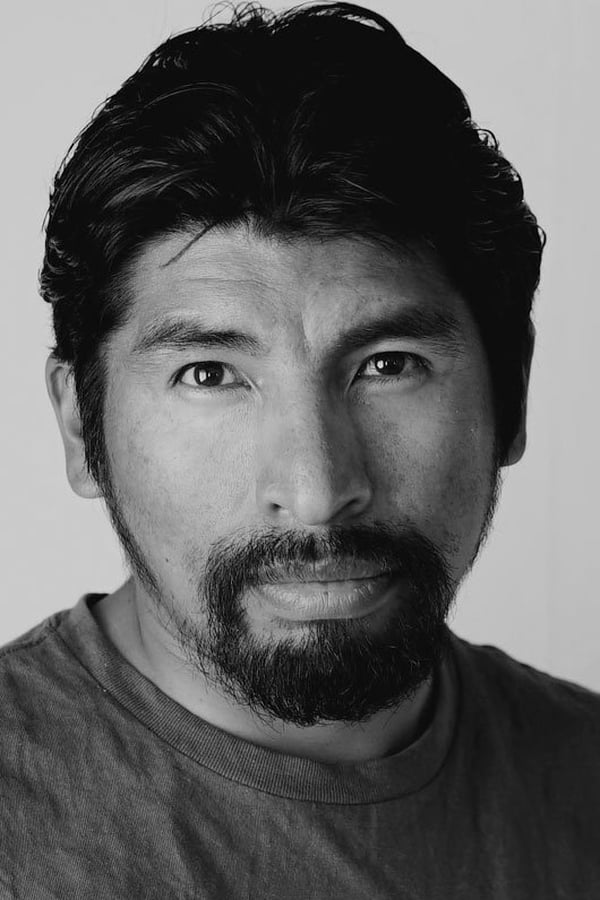
Juan Carlos Aduviri
Daniel / Hatuey

Karra Elejalde
Antón / Christopher Columbus

Raúl Arévalo
Juan / Antonio de Montesinos

Cassandra Ciangherotti
María

Carlos Santos
Alberto / Bartolomé de las Casas
Milena Soliz
Belén / Panuca
Leónidas Chiri
Teresa

Ezequiel Díaz
Bruno
Pau Cólera
Actor capitán
We got a movie that takes the old school approach of trying to creep you out with chilling atmosphere more than anything else.
Not a lot of people realize that being introverted is not always a permanent state of mind. Being considered an introvert by others is a complicated thing; not everyone likes being labelled “shy.”
'Blue Beetle' is another solid addition to the superhero film canon.
A brief look at two Barry Jenkins films that have established him as one of the greatest filmmakers of our time.
Essentially 'Get Out' but for white women, 'Don't Worry Darling' has strong material with its twist reveal, but the writing and directing falter trying to execute it.