




Writing Great Villains: Why They Shouldn't Be Sympathetic
Writing great villains is about striking a balance between charming and evil, so we love them but also love to see them lose.
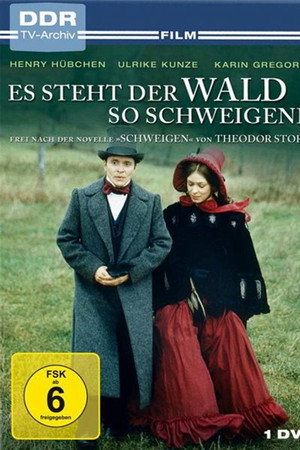


The young forester Rudolf is released from a mental hospital after suffering from a mental illness. His widowed mother accompanies the taciturn son to a vicarage where he is supposed to recover. There he meets the pastor's daughter Anna, with whom he immediately falls in love, and the two decide to get married. His mother is critical of the marriage and demands that her son conceal his stay in the "lunatic asylum" from his wife. This secret overshadows the young couple's relationship from the very beginning, and the burden of silence finally makes Rudolf want to take his own life. Only at the last minute is Anna able to save him from this stupidity.
Writing great villains is about striking a balance between charming and evil, so we love them but also love to see them lose.
While it is more than established that Halston’s life is far from a fairytale, the narrative suffers as a result of the decision to revolve more around sex and drugs than his artistry, it likely does a disservice to his cultural impact by pulling focus from his achievements.
I hate the idea that animation’s for kids; just because it’s animated doesn’t mean that it’s some silly cartoon and shouldn’t be taken seriously.
An animated reboot based on the book of the same name, with differences from the live-action movie of the same name.
'Hawkeye' episode five features Clint facing his sins, Kate having dinner with an assassin, and the reveal of the long-awaited [SPOILER].