

What We Do in the Shadows (of Our Closet Walls)
There’s enough evidence to insinuate that What We Do in the Shadows is intentionally queer-coded.
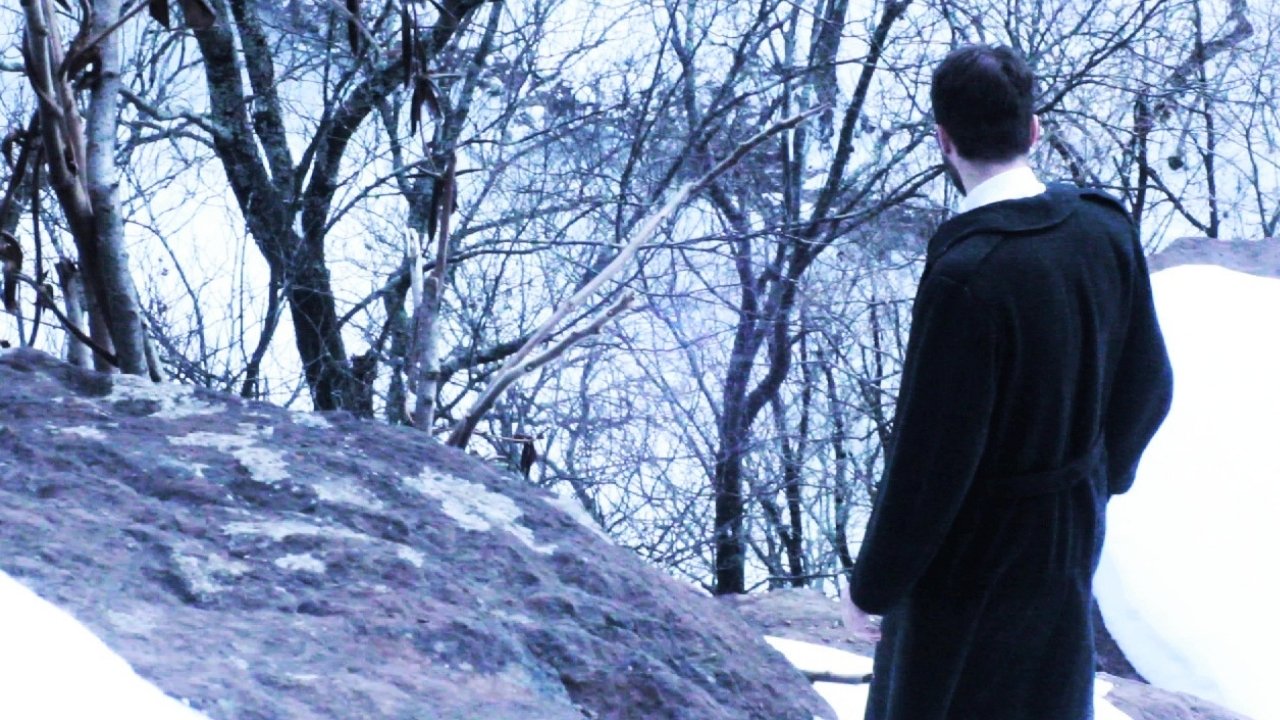



Not long ago the people of an unnamed country were involved in a civil war. After the armistice, both sides noticed hundreds of bodies unaccounted for. Looking through their land, there was discovered a place where men would vanish from sight. Those who returned spoke of a zone governed by cruel logic. This place, dubbed The Ulterior, was closed off and a guard was placed at its entry. The curious have found their way to its borders believing it holds healing properties and that it can reunite the living and the dead.
There’s enough evidence to insinuate that What We Do in the Shadows is intentionally queer-coded.
An artistic approach to the impact of Billie Holiday’s “Strange Fruit”.
This movie will always resonate with queer people, for as long as queer people exist.
Sorry to Bother You ultimately speaks to the unfair advantages that the country’s power structures award to those with the resources to control others, as Lift’s easy access to the media allows his opinion to be the only one that matters in the eyes of the unsuspecting and easily impressed public. Moreover, it reveals the extent to which the American Dream has any true validity. It postulates how the promise of success and fulfillment as promoted by the American Dream more often than not leads to the undoing of the individual. Interestingly, in its revealing of the American Dream as merely a facade, Sorry to Bother You wisely questions whether or not anything can really be done to undo a system that has been accepted and in action for centuries.
Writing great villains is about striking a balance between charming and evil, so we love them but also love to see them lose.
It only seems to prove that when the company had their backs against the wall and needed an all pleasing, generic movie that had to make up for The Last Jedi, they chose to sacrifice almost everything that made their main protagonist interesting and that made her stand out as the strong female character that a generation of young movie goers was supposed to look up to. Instead, we were left with a Rey that was so much less than she could have been. And I guess that’s the real story of Rey and The Rise of Skywalker; they could have been so much more, but they were just more of the same.