










“Madeline’s Madeline” and the Exploitation of Actresses
This emotional, frightening, and dreamlike story examines the ways actresses are exploited in the name of art.
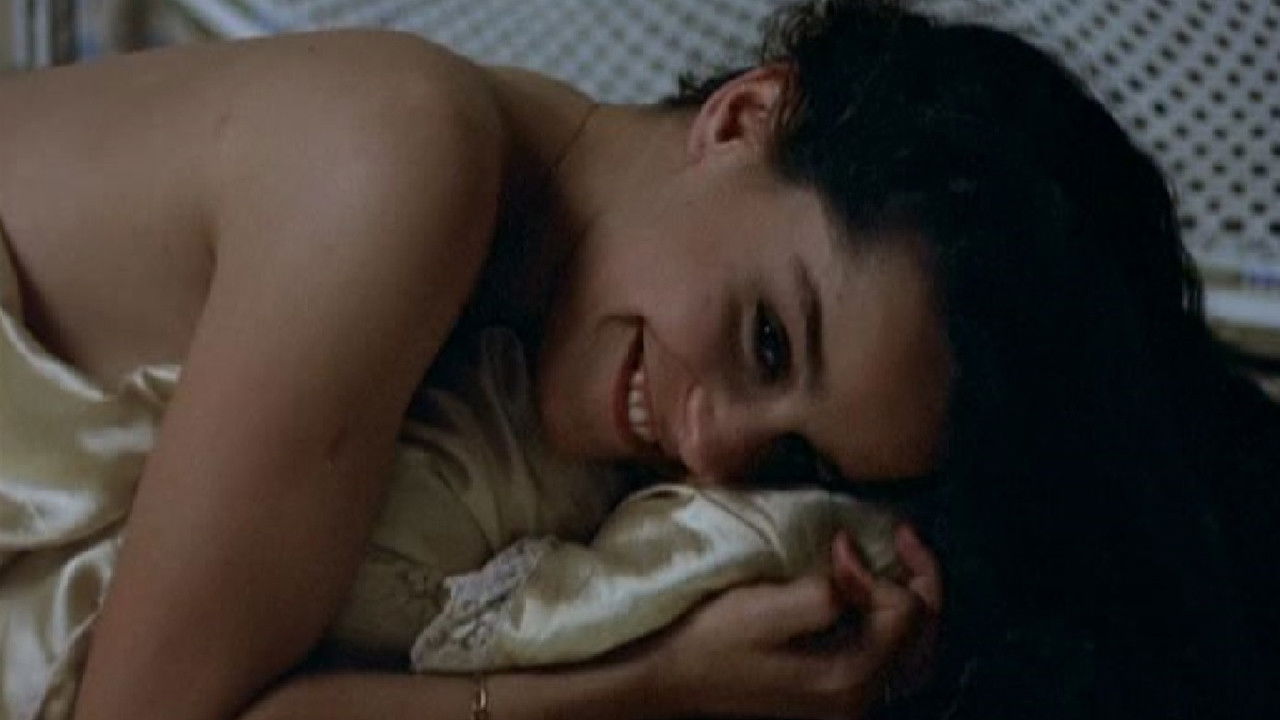
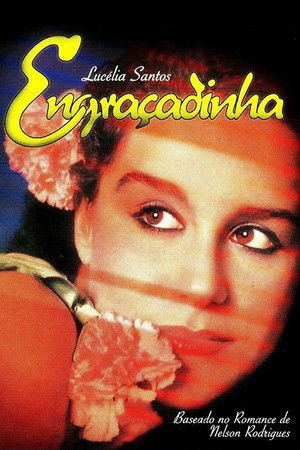


After the funeral of her father Arnaldo, who committed suicide, Engraçadinha confesses to the priest the motives. On the engagement party of her cousin Sílvio with Letícia, Engraçadinha seduces him in the library, and later she ends her engagement with Zózimo and lies to Letícia, telling that she is pregnant. Letícia decides to tell Arnaldo what happened, and he says that the child can not be born. He exposes dirty secrets to Engraçadinha, and a tragedy is announced.
This emotional, frightening, and dreamlike story examines the ways actresses are exploited in the name of art.
The Slumber Party Massacre wonderfully combines the suspense of its horror with its commentary on gender, creating a memorable slasher classic that began a horror trilogy entirely written and directed by women.
This article will cover why this film is categorized as a documentary and concert film.
Marcel the Shell with Shoes On is the most human movie of the year. It is based on the 2010 short of the same name that follows a big-hearted, little shell named Marcel as he navigates through life in a human-sized world.
At 2:17 a.m., every child in a third-grade class wakes up, leaves their home, and disappears into the darkness—except one. The next day, teacher Justine Gandy discovers that Alex Lily is the only student left, while the rest have vanished without a trace. Did Justine have something to do with it, or is a far more sinister force stalking the town, targeting not just children, but anyone in its path?
The Summer I Turned Pretty series adapts the beloved trilogy into a bingeworthy TV show and introduces a new generation to Belly, Conrad, and Jeremiah.