Endravathu Oru Naal
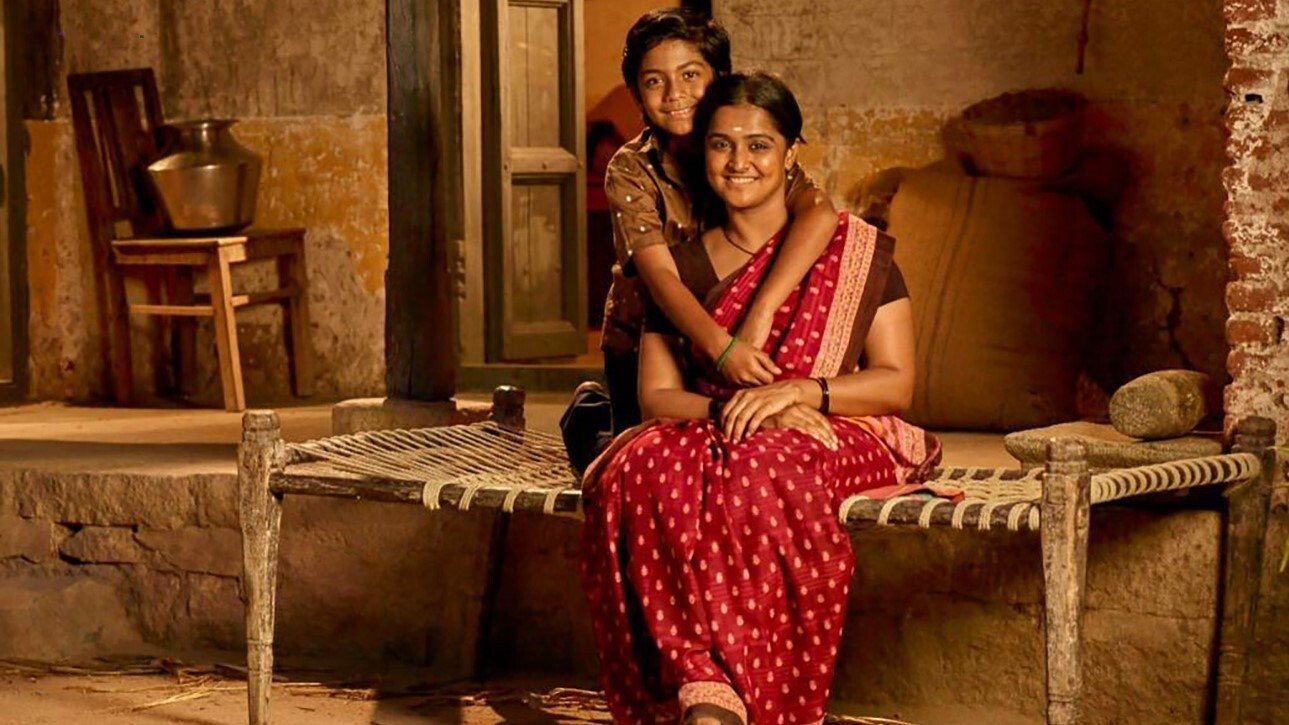
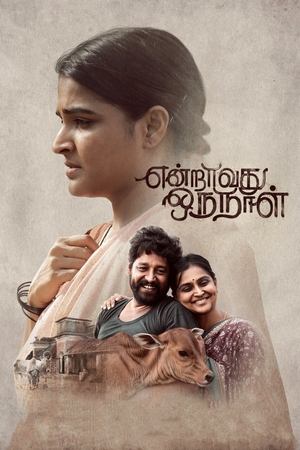
Thangamuthu, a farmer, loves his cattle the most, and leads a happy life with his wife Rasathi. But, an unfortunate incident turns their lives upside down.

- / 5
PopScore
Representation
Pictures and Videos

Movie Information
Thangamuthu, a farmer, loves his cattle the most, and leads a happy life with his wife Rasathi. But, an unfortunate incident turns their lives upside down.
Rating:
Genre:Drama
Written By:Vetri Duraisamy
In Theaters:
Box Office:
Runtime:110 minutes
Studio:The Theatre People





Articles You May Like
A Woman Shaking Religion Through Singing and Dancing in The Testament of Ann Lee (2025)
From its visually stunning opening credits, which show women dancing through a forest to musical rhythms that sound almost primal, to its quiet, heartbreaking final frame, Mona Fastvold’s historical rendering of the Shaker religious movement is an experience that will stay with me for a long time.
"She’s Gotta Have It” was Ahead of the Curve in Portrayal of Female Sexuality
In Spike Lee’s She’s Gotta Have It (1986), we follow the love life of powerful female protagonist Nola Darling (Tracy Camilla Johns) and explore the relationship dynamics she has with her partners. She sees three men simultaneously: Greer Childs, (John Canada Terrell) Mars Blackmon (Spike Lee), and Jamie Overstreet (Tommy Redmond Hicks). Though an 80’s film, She’s Gotta Have It is surprisingly progressive with its themes of female sexuality, although at some points in the film it is handled clumsily. Overall Nola is an incredibly compelling character especially for modern women, as we as a society acknowledge female sensuality more and more without the negative stigma.
'Dark Waters' Review: A Gripping, Near Perfect Tale
I highly recommend Dark Waters. It’s a highly engrossing picture, which lends itself to cautionary storytelling. The dark information continually grows, inspiring change and accountability altogether. Overall, Haynes’ picture will not be known for its inclusiveness--but it will be known for being a fantastic, engrossing film.
“When They See Us”: Ava DuVernay’s Series Shines a Light on Systemic Injustice
The justice system in the United States of America is supposed to operate as you are deemed innocent until proven guilty. But "When They See Us" shows what happens for Black people is they are deemed guilty until proven innocent.
'Madres' Is Terrifying Because the Events Actually Happened!
Madres takes place in the 70’s following a Hispanic married couple who move to a migrant farming community. Diana, who is pregnant, starts to become suspicious of their new environment after she and the women around her develop strange symptoms. Could it be a curse, a sickness, or something else?