





'TAYLOR SWIFT: THE ERAS TOUR' (2023)
A concert film with original recording of the most iconic event in pop culture in 2023.
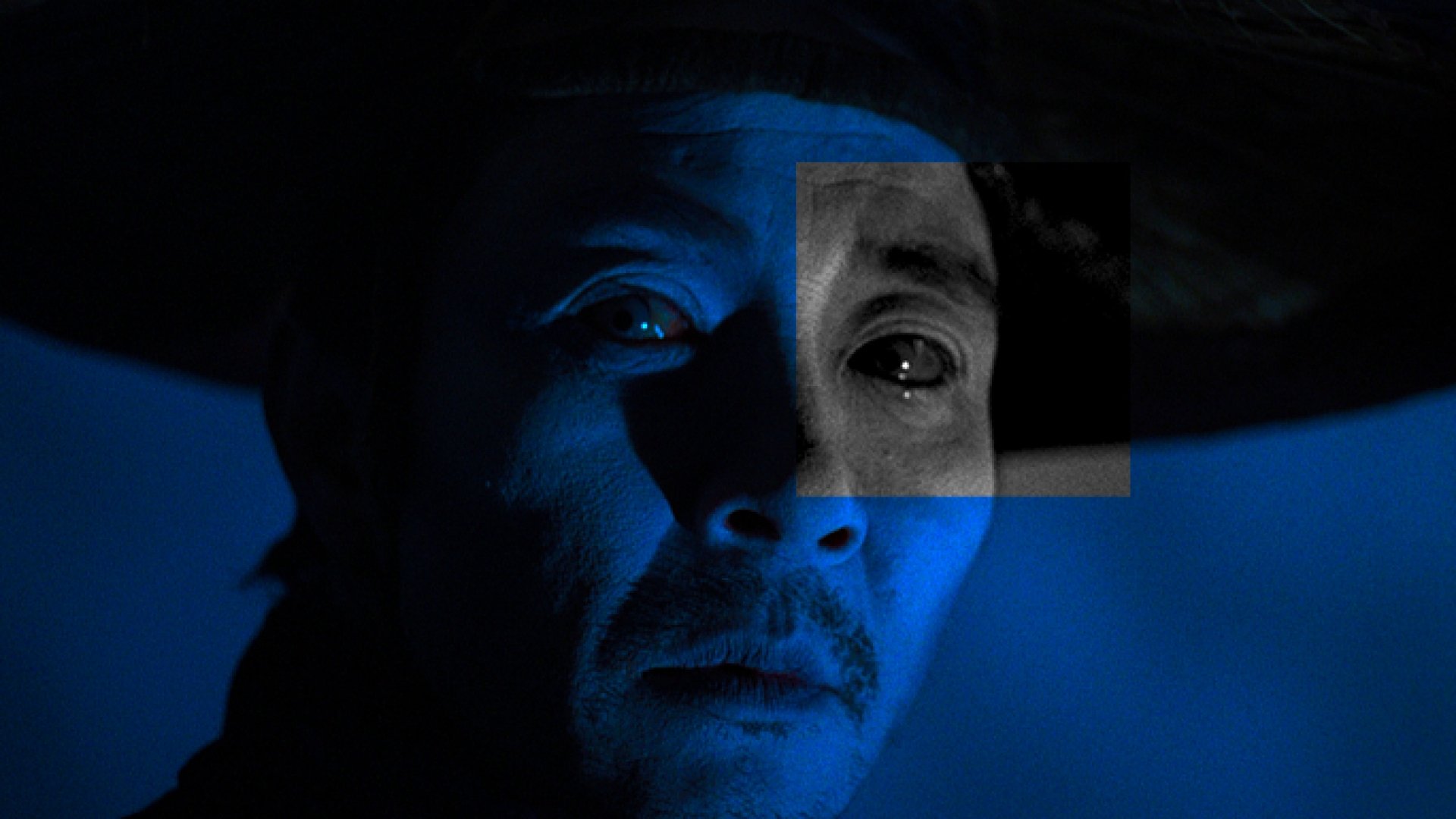
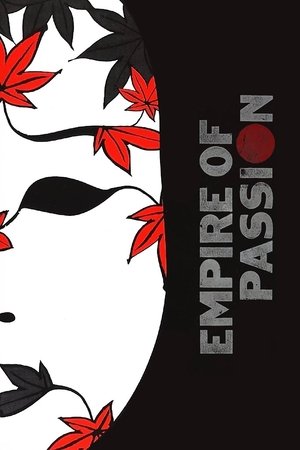


A married woman and her lover murder her husband and dump his body into a well, but his ghost returns to haunt them as the local gossip intensifies.
A concert film with original recording of the most iconic event in pop culture in 2023.
In 'Maestro,' we're left with an impression but not with an understanding of the main character.
In a post-Gamergate media landscape, it's ambitious to have a film confront the harsh reactions to women in gaming from a comedic lens.
By depicting 4 different stories, Director Sergio Tovar Velarde keeps the focus on the shared humanity and search for love (both self and romantic) of various gay Mexican men.
These confines won’t really encourage you to read the film as a metaphor for the nerve-inducing experience we’ve all been through over the last year, however — and in the interest of maintaining your dignity, you probably shouldn’t. While the sociopolitical commentary may have worked for the similarly-themed Buried (2010), in which we find Ryan Reynolds on his own buried alive in the Middle East, but this futuristic take on the premise is best left as a piece of distracting entertainment. Nevertheless, the atmosphere is no less suffocating, literally and dramatically.
Years before Mexican director, Alfonso Cuaron, was winning Academy Awards for movies like Gravity (2013) and Roma(2018), he directed a small, intimate film about two best friends who decide to embark on an improvised road trip to spend time with an older, attractive woman who miraculously agrees to go with them. Y tu Mamá También is a deep journey into the raw sexuality and friendship of the young protagonists, as well as a subtle social and political commentary on Mexico at the time.