
‘Thunderbolts*’—A Spark of Hope in Dark Times
After years of mediocrity, Thunderbolts* is the welcome change MCU fans were waiting for.
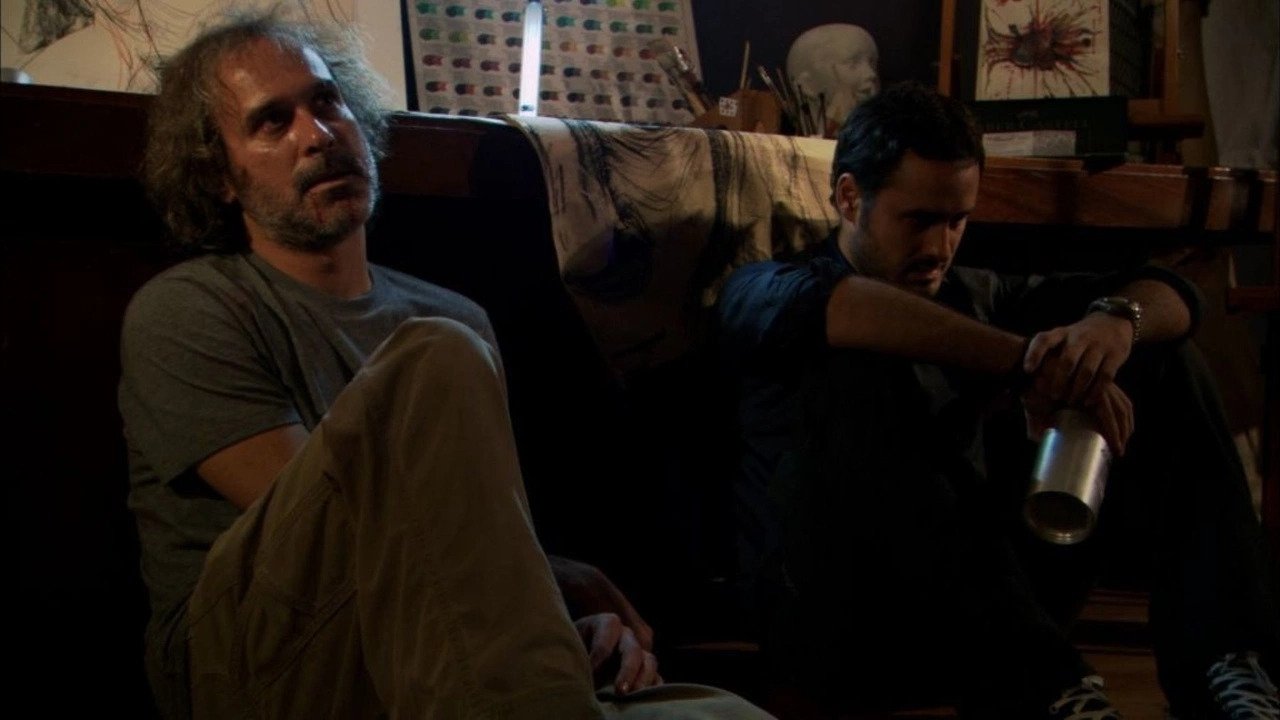



Ella – well she has a name too – Luna (Patricia Garza), is actually about her much older husband and painter Alfredo (Paul Vega), and his choice of actions/reactions after she decides to leave him for a lover that he wasn’t aware of. Alberto has been going through a creative crisis and is under pressure to complete a series of paintings for a forthcoming show. It is nevertheless also plain to see that he’d been treating Luna, who’s also his model, largely as an object of desire and obsession – capturing with camera her every movement in the house when she’s not posing for him, and memorising her every physical feature, moles and warts included – he’d apparently counted twenty seven moles on her body. When Alfredo tracks down and entraps the lover she’d wanted to elope with (Rómulo Assereto), he’ll discover that they both have more in common than merely desiring the same woman…
After years of mediocrity, Thunderbolts* is the welcome change MCU fans were waiting for.
If you remember the days of the 24 hour Overnight Challenge on YouTube, Secret Mall Apartment will tickle your nostalgia receptors.
Complex relationships between mothers and daughters are far from a new concept, whether the strain comes from abandonment, beliefs, or trauma. In My Only Wish, an Incluvie Film Festival submission, Brenda Gutierrez’s take on her character’s maternal divide comes in the form of abandonment.
Apparently, nothing's ever enough. It has its flaws, but does that warrant the amount of criticism 'Barbie' is subject to?
Miss You, Love You brings together two people who were meant to find each other at that moment in their lives.