'The Marvels' is Actually One of the Best Marvel Movies, No Matter What the Critical Majority Says
This may be controversial… but 'The Marvels' is actually one of the best movies in the MCU. 10 reasons why 'The Marvels' killed it.
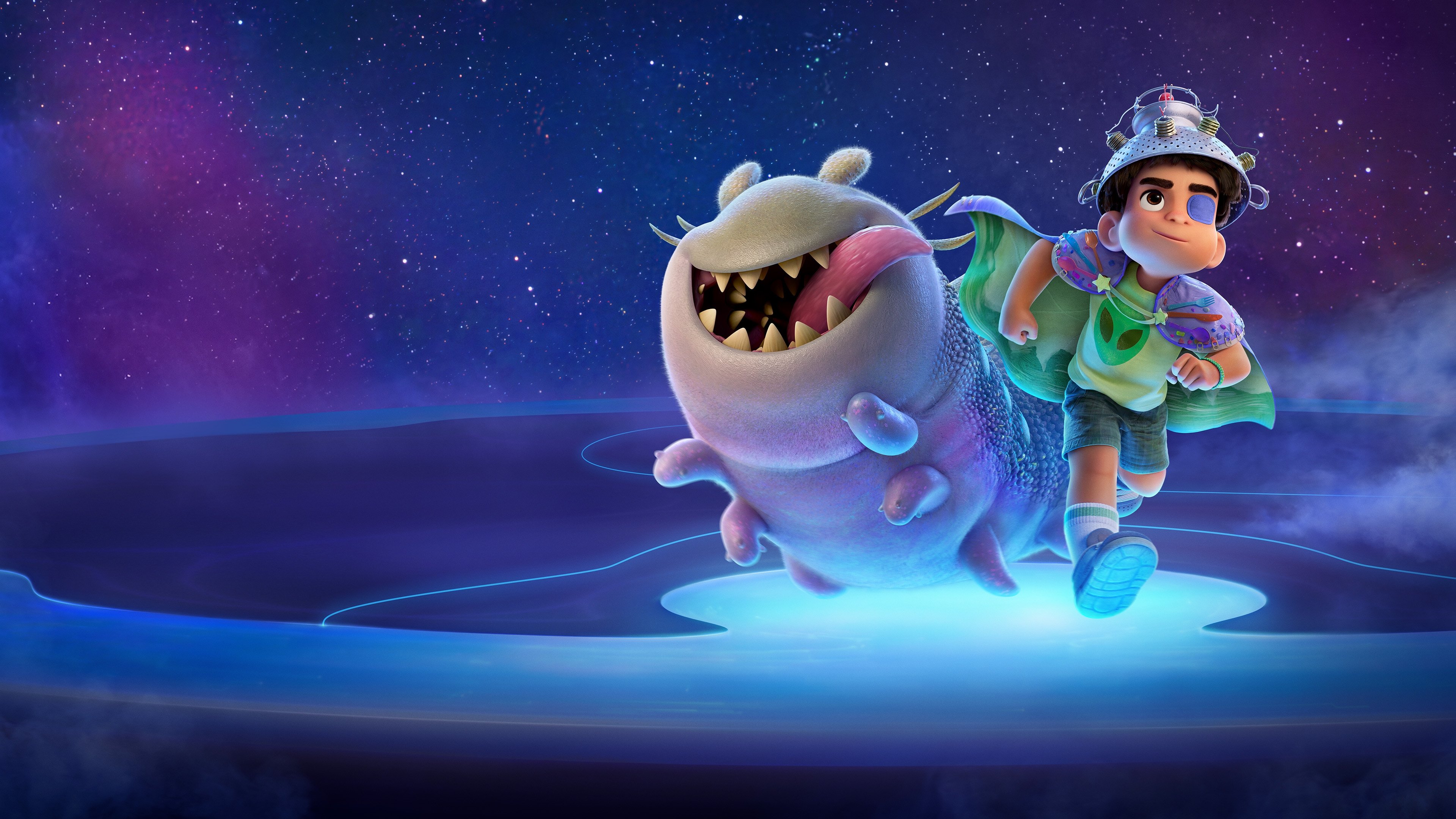
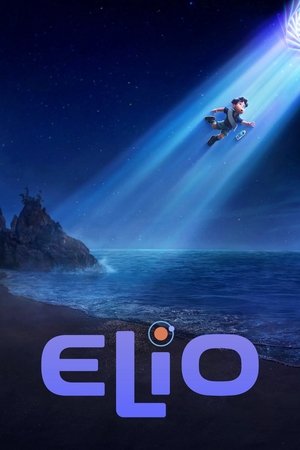


Elio (2025) introduces us to its titular character in a quiet and moving scene: his aunt Olga gently urges him to eat something at a museum, where we're told that he has been recently orphaned and will be living with his single aunt from now on. When Elio wanders off, he finds an exhibit on the Voyager 1 and the Golden Disc it contained, which sparks a fascination with alien life that follows Elio for the rest of the introduction.
Elio is a quirky boy. Friendless, eccentric, making up his own languages and wanting nothing more than to be abducted by aliens. He feels othered and unwanted, and hopes that somewhere out there in the cosmos, he'll find somewhere he belongs. When he is eventually abducted by the friendly-alien-led Communiverse, however, he's mistakenly believed to be the leader of Earth, and ends up helping them by leading negotiations with the Hylurgian warlord, Grigon. This leads him to meeting Glordon, Grigon's son, who he quickly becomes friends with. Glordon sees himself as an outcast because of his distaste for the violence that defines his people's culture.
As the events of the movie unfold, both Elio and Glordon come to realize that they aren't unwanted at all. When Elio is missing from Earth, his aunt Olga misses everything about him, including his eccentricities. She does everything she can to bring him home. When Glordon's life is at stake, his father Grigon literally strips away his shell, defying everything that Glordon thought of him, in order to save him. In another sweet scene, people from all over the world, via ham radio, help Elio and Olga to navigate an asteroid field, ensuring them that they are not alone in their struggle.
So, ultimately, Elio is a story about a socially-isolated child finding belonging. It's a story about connection, about finding acceptance not just in the far-away reaches of your imagination, but in the family and community that already love you more than you know. And it tells this story through showcasing a non-nuclear Latine family. All this being said, Elio could be seen as fantastic piece of representation, showing lonely children who feel ostracized that they are not alone.
That is, unless you look behind the curtain.
The original cuts of Elio were directed by Adrian Molina, an openly gay filmmaker, and according to interviews by The Hollywood Reporter, in earlier versions of the film Elio himself was queer-coded. Early Elio had longer hair, loved fashion, and kept a picture of a boy it was implied he had a crush on. It wasn't until Molina left production and Elio was reworked that the character became more "masculine", and any traces of queer subtext were removed. In an effort to supposedly appeal to a wider audience, Elio's identity was scrubbed away.
This greatly lessens the impact of the film's message. We are told that you need to find acceptance in the people around you, and yet executives could not accept the queer identity central to the film. It's hypocritical and saddening, and despite the final version of the film still being solid, the loss of positive queer representation we could have had does leave a sour taste in your mouth.

Elio, a space fanatic with an active imagination, finds himself on a cosmic misadventure where he must form new bonds with eccentric alien lifeforms, navigate a crisis of intergalactic proportions and somehow discover who he is truly meant to be.

Madeline Sharafian, Domee Shi, Adrian Molina
Director


Yonas Kibreab
Elio / Other Elio (voice)

Remy Edgerly
Glordon (voice)

Zoe Saldaña
Olga Solís (voice)
Brad Garrett
Lord Grigon (voice)

Brandon Moon
Ambassador Helix (voice)

Jameela Jamil
Ambassador Questa (voice)
Young Dylan
Bryce (voice)

Jake T. Getman
Caleb (voice)

Matthias Schweighöfer
Ambassador Tegmen (voice)

Ana de la Reguera
Ambassador Turais (voice)

Atsuko Okatsuka
Ambassador Naos (voice)
This may be controversial… but 'The Marvels' is actually one of the best movies in the MCU. 10 reasons why 'The Marvels' killed it.
This sports drama movie is centered around an Asian American boy named Chang.
In The Women and the Murderer, directors Mona Achache and Patricia Tourancheau center women—the very demographic true crime is designed to appeal to.
The Lego Movie achieves great humor and story with a combination of childish comedy, adult references, irony, and by subverting popular movie tropes.
Amanda Riley gets the opportunity to travel to Vietnam for the experience of a lifetime.
In Stowaway, director Joe Penna narrates the story of a starship crew (Anna Kendrick as Zoe Levenson; Toni Collette as Marina Barnett; and Daniel Dae Kim as David Kim) struggling with serious technical problems on a two-year mission to Mars. During the trip, they discover aboard the presence of Michael (Shamier Anderson), a stowaway who jeopardizes everyone’s life on board.