A Dog's Life Leads to a Heart Parade
A young woman who dislikes dogs changes forever when a beloved pet comes into her life in this heartwarming story for animal lovers.
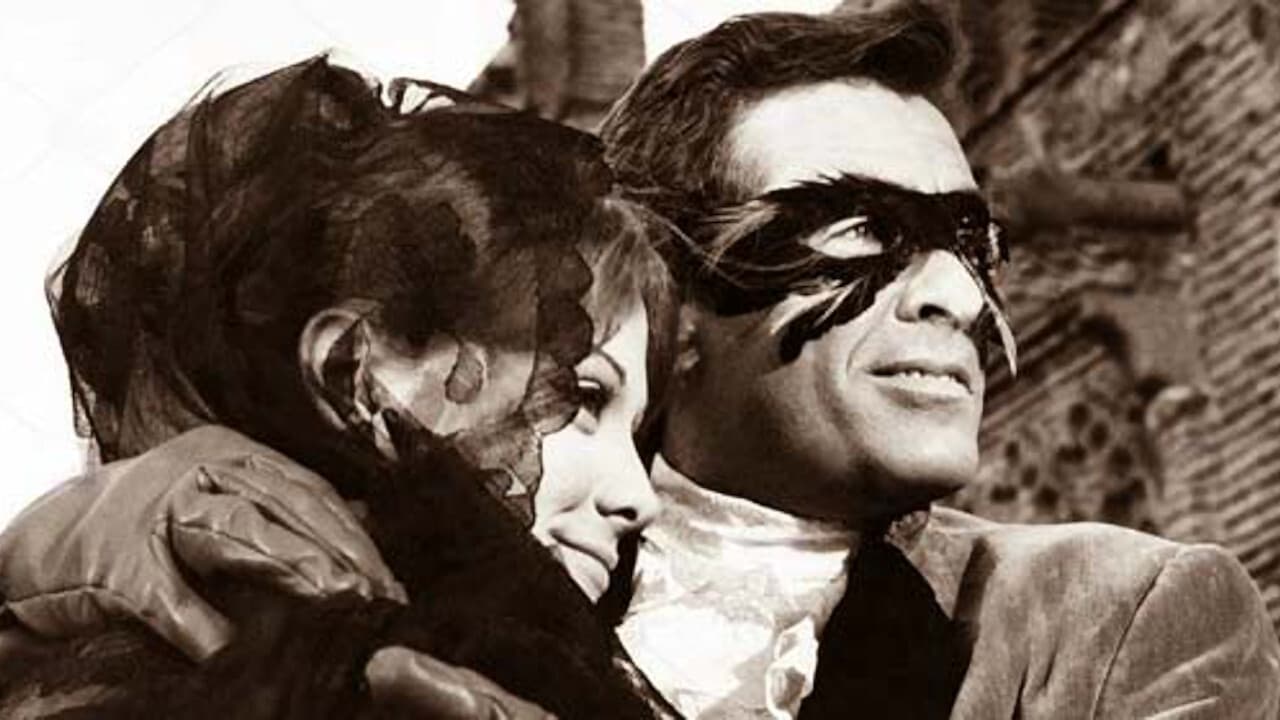



Adventure film of Spanish production that follows point by point the parameters set by other literary characters, such as "El Zorro" or "El Coyote". José María Elorrieta, director with extensive experience in western spaghetti, is in charge of the direction and the script, in this film starring a gallant who was fervid among the female audience, Germán Cobos ("La patrulla", "La vida es maravillosa"). Shot on a small budget and with no other pretense than to entertain, "El falcón de Castilla" had considerable box office success.
José María Elorrieta
Director


Germán Cobos
Don Diego de Mendoza

Nuria Torray
Margarita
Mari Luz Real
Maria de Cárdenas
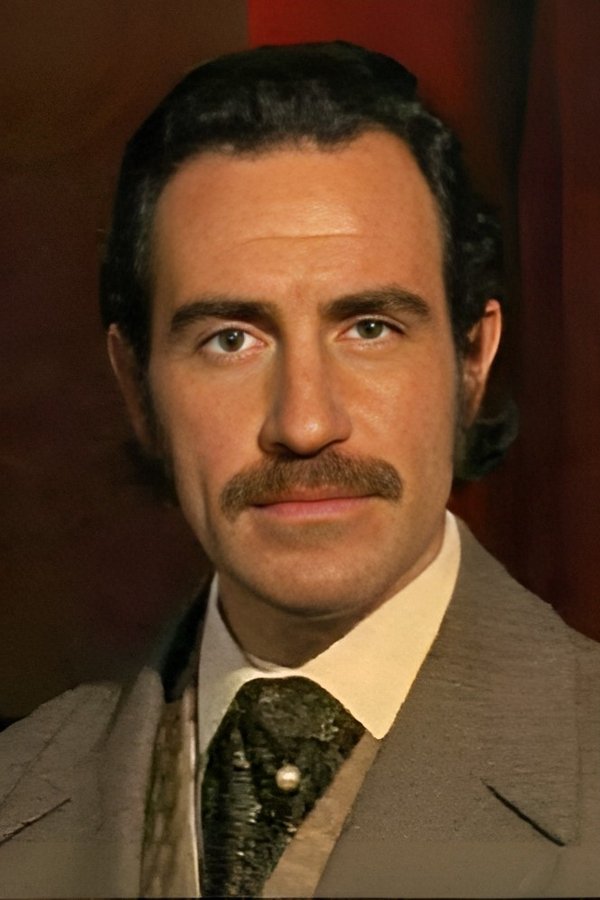
Mariano Vidal Molina
Don Galcerán de Guzman
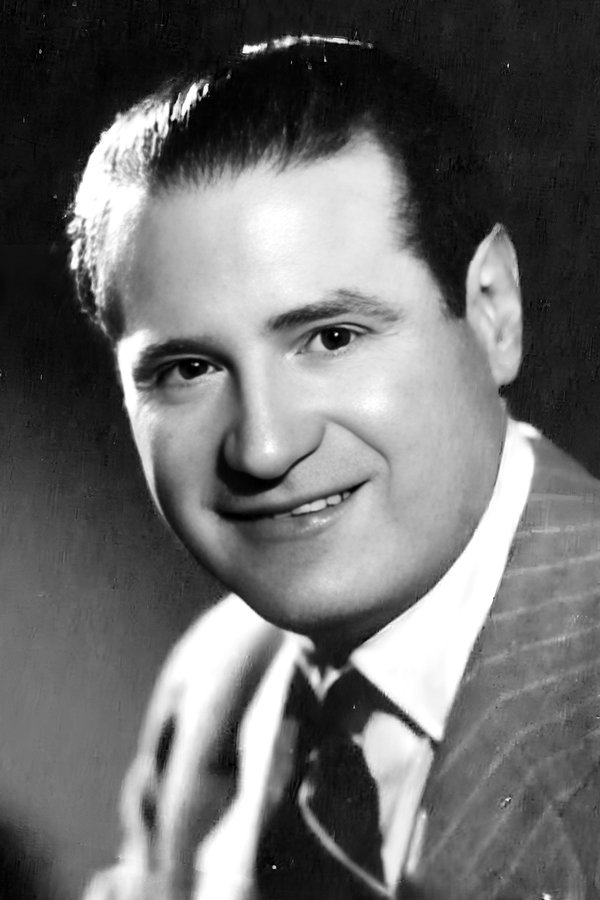
Félix Dafauce
Don Gonzalo de Cárdenas
Gloria Fernán Osuna
Leonor,sobrina de Don Gonzalo
Ángel Ter
Juan

Álvaro de Luna
Acunia
Claude Cory
Capitán Mena
Julio Pérez Tabernero
Mateo
Erasmo Pascual
Vendedor de telas
A young woman who dislikes dogs changes forever when a beloved pet comes into her life in this heartwarming story for animal lovers.
This is a Spanish-speaking short film that contains English subtitles. The short film is produced in the United States.
Wilde’s coming-of-age comedy directorial debut is simultaneously hilarious and entertaining, and remarkably heartfelt and relatable.
Tarantino's alternative history of the 1960's uncritically repeats the era's sexist and racist stereotypes.
One young woman with an unusual background tries to find and establish herself in the real world, which isn't exactly as festive as she hoped it would be.