

Fielder's "You Can See Everything" Asks Questions it Doesn't Have Answers For
One thing’s for certain: Holmes has star power. We may not be able to see everything, but we’re certainly all watching.
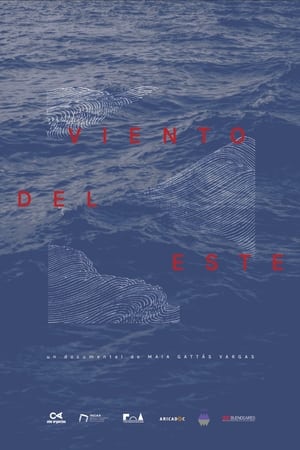


A strong east wind brings snow, rain and also memories of her father. Only a few objects, newspaper clippings and diary entries make him present. But Maia would like to know him better, to piece together a complete portrait from the fragments. For this reason, she leaves Argentina, the land of her home, and travels to the West Bank, where her absent parent comes from. But at first she finds only more ruins, the remains of houses destroyed by the Israeli occupiers. As slowly as the calm sea ripples, the author's pilgrimage to her roots turns into an encounter with an entire nation that has been stripped of its home. The shared experience of loss helps her to fill the empty space in her heart.
One thing’s for certain: Holmes has star power. We may not be able to see everything, but we’re certainly all watching.
Wilde’s coming-of-age comedy directorial debut is simultaneously hilarious and entertaining, and remarkably heartfelt and relatable.
Ian and Barley embark on a quest to find a magical gem to restore their father back to life.
Movies also have the ability to make the audience think deeper about an issue that plagues society. "Blindspotting" does that without shying away from the intense reality of police brutality and racial discrimination.
The gentle, emotional nuances of Evan’s coming-of-age story would have been so beneficial to have incorporated into the life of a POC character. Showing a Black, Asian or Latino young man that is afforded the space to be vulnerable, flawed and sensitive while driving a compelling and widely-loved narrative would have been a game changer.
Him is visually stunning—all concrete cathedrals and bone-rattling impact shots that look like a nightmare highlight reel. Marlon Wayans is magnetic as this legendary quarterback who's basically selling salvation with a smile that never quite reaches his eyes. But the story keeps running in circles: more tests, more cryptic pep talks, more ritualistic drills. The sports-as-religion metaphor beats you over the head when subtlety would've been more effective. The middle drags, and that finale chooses spectacle over substance. It's undeniably stylish, but left me cold. Also worth noting: despite the Monkeypaw connection, this isn't actually a Jordan Peele film—he didn't write or direct.