





Why "People We Meet On Vacation" Did Not Meet Its Full Potential
Emily Henry’s adaptation reaches romance movie standards, but not romance reader standards.
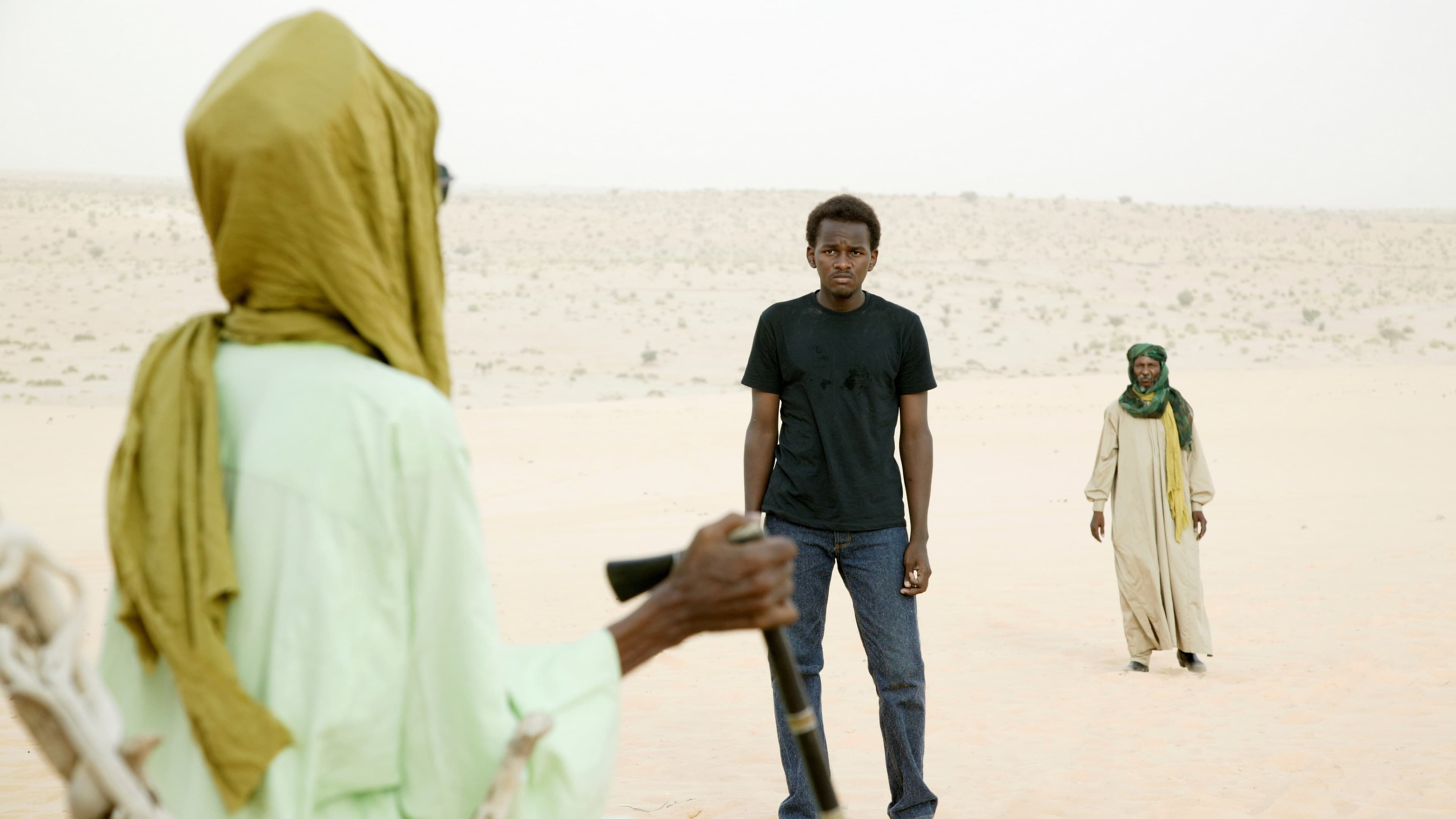



Chad, 2006. After a forty-year civil war, the radio announces the government has just amnestied the war criminals. Outraged by the news, Gumar Abatcha orders his grandson Atim, a sixteen-year-old youth, to trace the man who killed his father and to execute him. Atim obeys him and, armed with his father's own gun, he goes in search of Nassara, the man who made him an orphan. It does not take long before he finds him. Nassara, who now goes straight, is married, goes to the mosque and owns a small bakery. After some hesitation Atim offers him his services as an apprentice. He is hired then it will be easy for him to gun down the murderer of his father. At least, that is what he thinks...
Emily Henry’s adaptation reaches romance movie standards, but not romance reader standards.
In 'Little Boxes," an interracial family moves to an all-white town where they face the judgement of others who have never been exposed to people of color before.
Ever heard of the bad boy type? The type of man who's sexy yet broody, or the type of man who’s dangerous but has a sensitive side? It’s a well-known stereotype that women are attracted to villains. The question is: why are we?
As Sexual Assault Awareness Month comes to an end, I’d like to urge viewers and filmmakers to take a long and hard look at how rape is portrayed on screen.
"Terrace House" improves on the standard reality TV format by affording its cast privacy, freedom, and respect.
It doesn’t offer an absolute answer for the dialectical ethical questions that emerged in search of justice but portrays the characters as living people beyond the identities of victims.