

Once Upon a Time in (White) Hollywood
Tarantino's alternative history of the 1960's uncritically repeats the era's sexist and racist stereotypes.
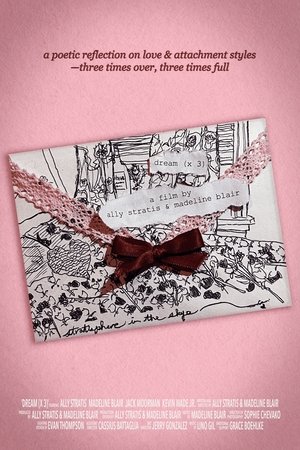


a poetic reflection on love and attachment styles—three times over, three times full.
Tarantino's alternative history of the 1960's uncritically repeats the era's sexist and racist stereotypes.
At 2:17 a.m., every child in a third-grade class wakes up, leaves their home, and disappears into the darkness—except one. The next day, teacher Justine Gandy discovers that Alex Lily is the only student left, while the rest have vanished without a trace. Did Justine have something to do with it, or is a far more sinister force stalking the town, targeting not just children, but anyone in its path?
For the most part, 'Sweet Girl' recycles tired hyper masculine revenge tropes, but a surprise twist in the end turns it into a female-centric revenge film.
In ‘The Owl House’ protagonist Luz Noceda stumbles across a portal to another dimension where magic exists, called The Boiling Isles.
Telling a story about the French and Indian Wars from the perspective of the British prioritizes the perspective of the colonizers.
The Last Duel is about rape. Although the film delves into rape culture in medieval Europe, there are many striking similarities to modern rape culture.