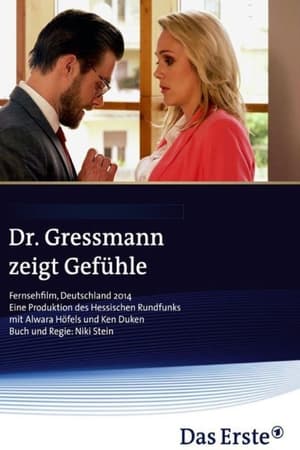
Dr. Gressmann zeigt Gefühle
At his son Konstantin's parents' evening, Philipp Gressmann meets Dolores Sturm - reluctantly, as he emphasizes several times. The woman is completely out of his league. Gressmann, very rich, lives in the posh West End, Dolores in a high-rise estate in the middle of a social hotspot in the city. He is horrified that their sons are supposed to be friends and that his ex-wife even approves of this. On leaving school, Dolores follows in his footsteps in order to escape two very shady characters, Taci and Ali. A turbulent journey through the night begins, in which these very different worlds meet. Gressmann experiences things he would never have dreamed of and has experiences he would rather have done without. His world, so finely ordered, begins to show considerable cracks. To his own surprise, Dr. Gressmann, who is otherwise so detached and coolly calculating, suddenly shows emotion.

- / 5
PopScore
Representation
Pictures and Videos

Movie Information
At his son Konstantin's parents' evening, Philipp Gressmann meets Dolores Sturm - reluctantly, as he emphasizes several times. The woman is completely out of his league. Gressmann, very rich, lives in the posh West End, Dolores in a high-rise estate in the middle of a social hotspot in the city. He is horrified that their sons are supposed to be friends and that his ex-wife even approves of this. On leaving school, Dolores follows in his footsteps in order to escape two very shady characters, Taci and Ali. A turbulent journey through the night begins, in which these very different worlds meet. Gressmann experiences things he would never have dreamed of and has experiences he would rather have done without. His world, so finely ordered, begins to show considerable cracks. To his own surprise, Dr. Gressmann, who is otherwise so detached and coolly calculating, suddenly shows emotion.
Rating:
Genre:TV Movie, Comedy
Directed By:
Written By:
In Theaters:
Box Office:
Runtime:
Studio:ARD










Articles You May Like
No Other Choice: Killing for the Family at the Age of Obsolescence
With the theme of unemployment, it presents a family fantasy anecdote rather the a comment on social problems.
8 Inclusive Christmas Movies You Need to Add to Your Watchlist
Although Christmas is a time of year for love and cheer for all, holiday cinema has not always represented diverse communities. Being a holiday with Christian origins, much of its media consists of straight white families or straight white romances. Luckily, modern years have been bringing with them plenty of POC and LGBTQ+ representation that the holidays so desperately need.
The Women and the Murderer: Made by Women for Women
In The Women and the Murderer, directors Mona Achache and Patricia Tourancheau center women—the very demographic true crime is designed to appeal to.
“The Odyssey” and Moving Forward
This showcase of Hollywood’s finest talent will certainly be around come awards season, and much deserved
“The Owl House”: The First Bisexual Disney Hero
The Owl House has swiftly become one of Disney’s beloved cartoon series.