
“Come Play”: Creepy Concept, Lackluster Story
"Come Play" was entertaining and had some great ideas about how to scare children away from playing with facial recognition settings.
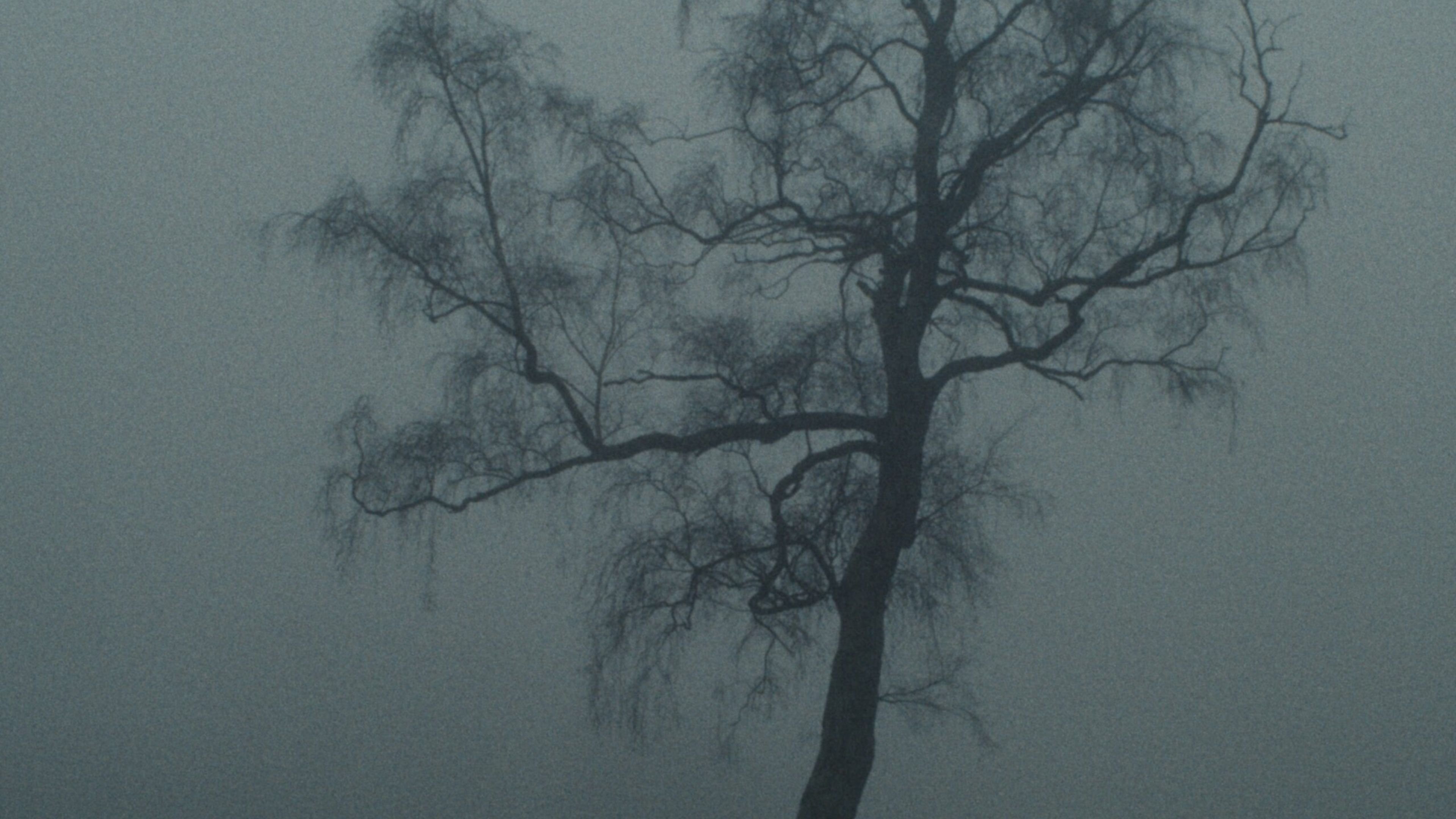



Júlia arrived some time ago in Glasgow fleeing from Barcelona; she wanted to start from scratch. Years have passed and she seems stuck: in the mornings she tries to pursue her career as a photographer, at night she cleans dishes in a restaurant. One afternoon, while taking portraits of pedestrians crossing a bridge, one of her eyes begins to fail. As illness begins to spread Júlia will begin a search into the past to the depths of Glasgow and its history. The river will carry her towards a memory: the day she met a mysterious group of men who pulled objects from the depths of the water and among them a strange Indian boy, Shubham, who also came to the city from far away in search of a new life.
"Come Play" was entertaining and had some great ideas about how to scare children away from playing with facial recognition settings.
A successful author’s life is upended when she finds herself on a plantation straight out of the antebellum south.
Battles will come and go and queer people do die for their identity and fights for rights, but that doesn’t mean the gays don’t deserve their happy endings in stories.
It’s passionately protective of the women mentioned in the story or appearing on screen. Just like the article and the #MeToo movement, the film could help a trapped person find the courage to fight back.
At 2:17 a.m., every child in a third-grade class wakes up, leaves their home, and disappears into the darkness—except one. The next day, teacher Justine Gandy discovers that Alex Lily is the only student left, while the rest have vanished without a trace. Did Justine have something to do with it, or is a far more sinister force stalking the town, targeting not just children, but anyone in its path?
World-famous drag queen Trixie Mattel shares a year of her life with the world in this vulnerable and uplifting documentary.