
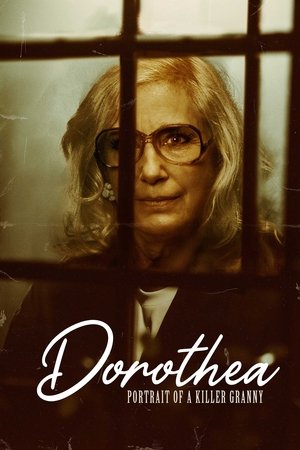
Dorothea (2025)
A twisted true crime nightmare where serial killer granny Dorothea Puente lures the vulnerable, kills without remorse, and buries secrets in her garden. Evil wears a smile. You’ll never trust kindness again.

- / 5
PopScore
Representation
Pictures and Videos

Movie Information
A twisted true crime nightmare where serial killer granny Dorothea Puente lures the vulnerable, kills without remorse, and buries secrets in her garden. Evil wears a smile. You’ll never trust kindness again.
Rating:
Genre:Horror, Crime, Thriller
Written By:Chad Ferrin
In Theaters:10/31/2025
Box Office:
Runtime:91 minutes
Studio:Crappy World Films, Laurelwood Pictures, Dance On Productions
Cast
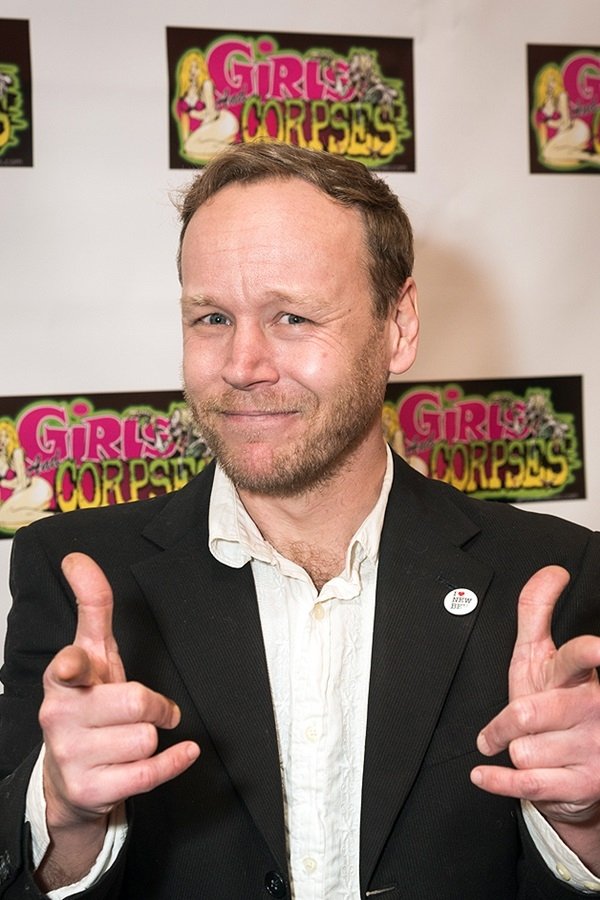
Chad Ferrin
Director


Susan Priver
Dorothea Puente

Lew Temple
Billy 'Hurricane' Hodges

Ginger Lynn Allen
Betty Palmer

Brinke Stevens
Ruth Monroe
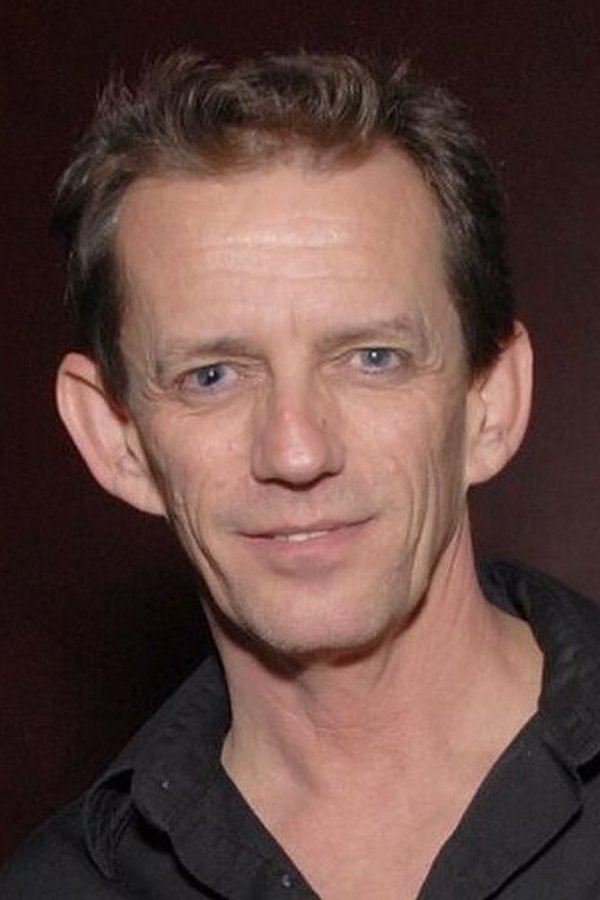
Ezra Buzzington
Chief
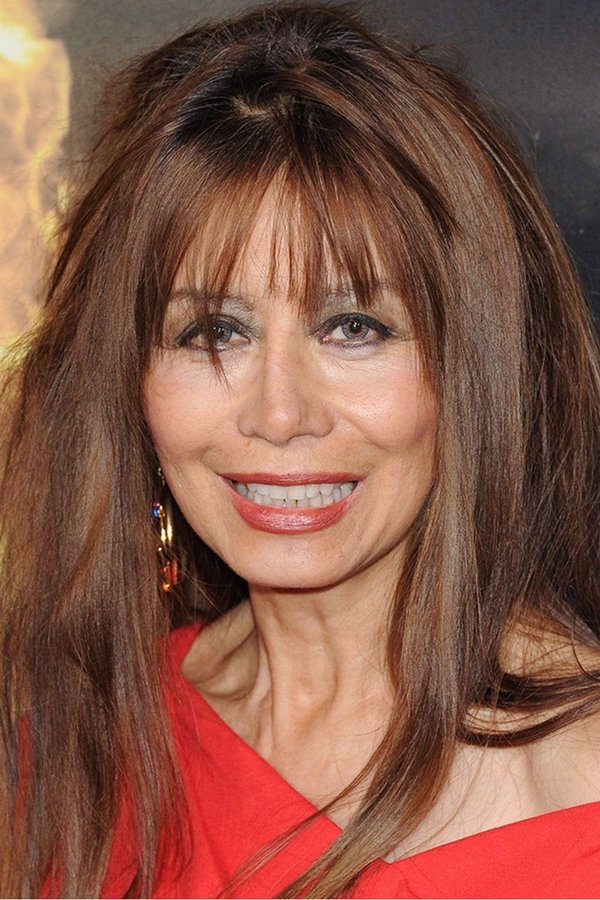
Cassandra Gava
Charleston

William Salyers
Willy Wilkes
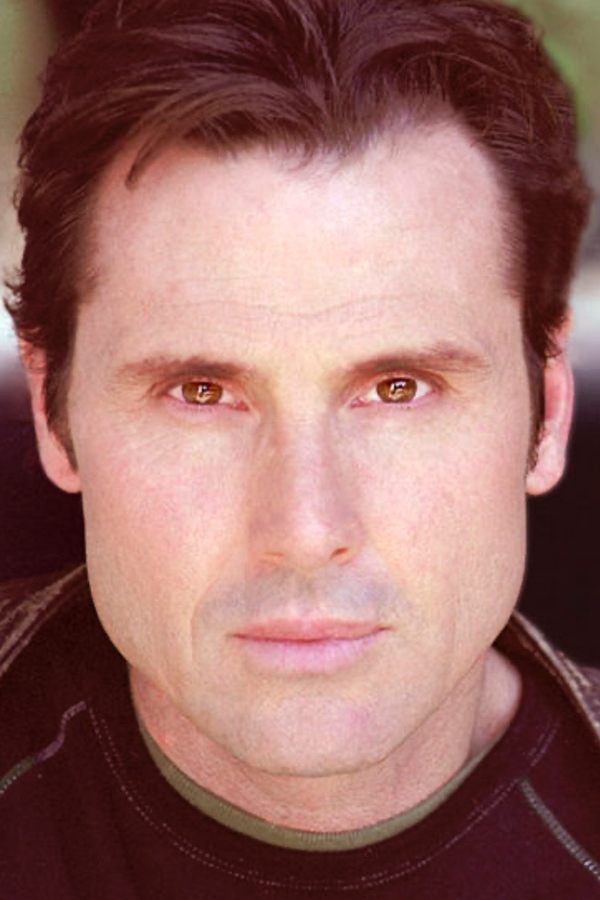
Cyril O'Reilly
John Cabrera
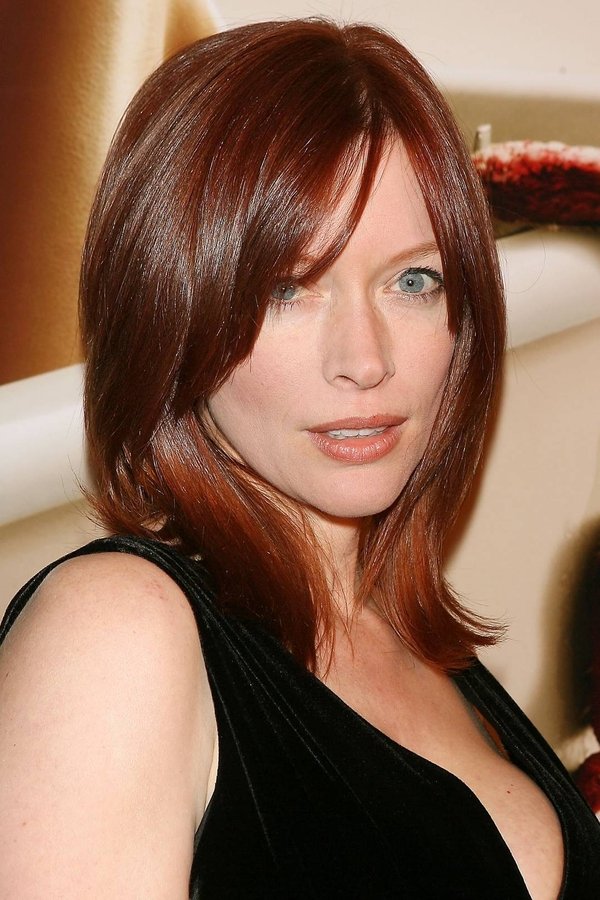
Brenda James
Dorothy Miller
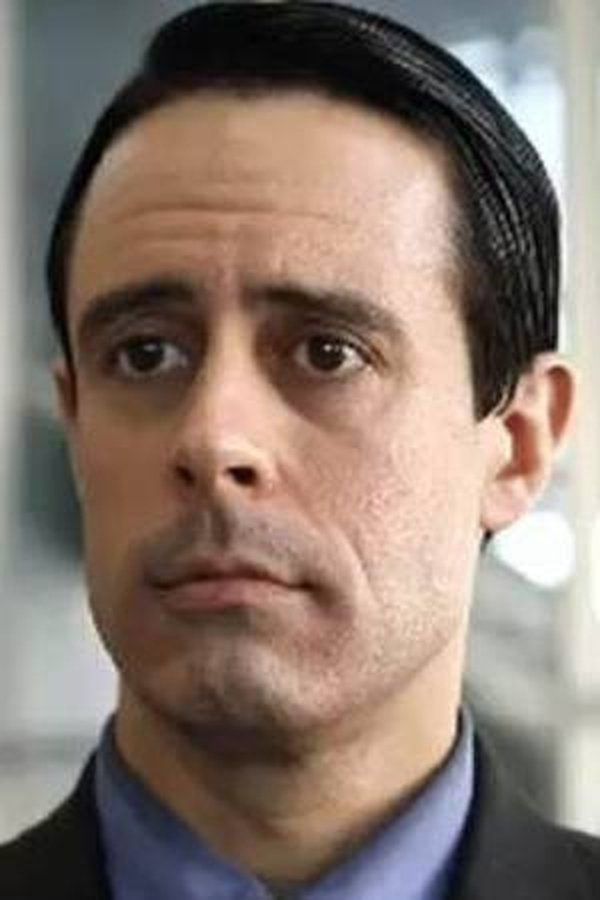
Brandon Kirk
Detective Terry Brown
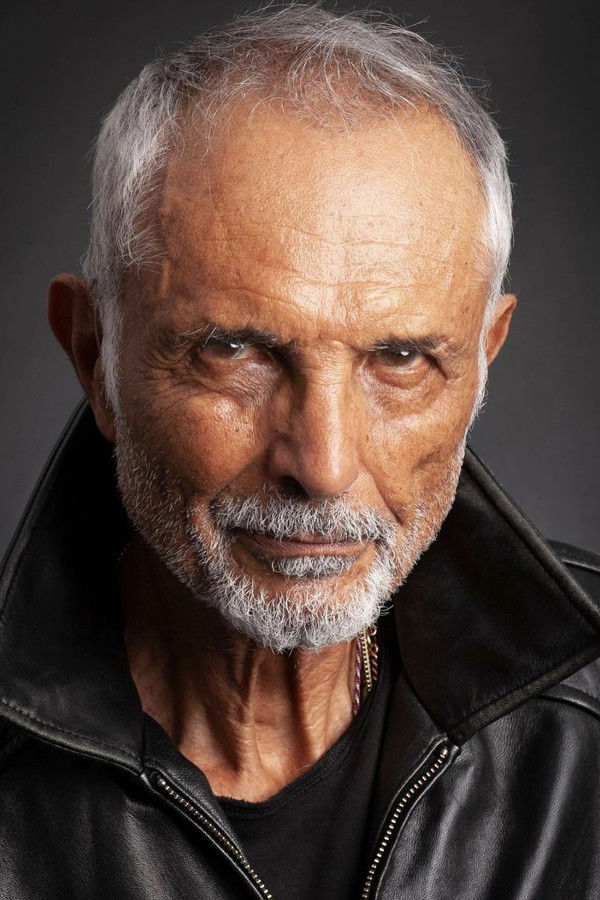
Robert Miano
Everson Theodore Gillmouth
Articles You May Like
"The Father" is a Depressing But Insightful Look at Dementia
With The Father, writer-director Florian Zeller- who wrote and developed the play upon which the film is based- pulls no punches as he confidently makes every effort to put the audience in the mind of someone whose grip on reality has all but vanished. It’s a dazzling testament to Zeller’s abilities as a director as he makes his first transition from stage to film appear as if he’s been working behind a camera his entire career. The dialogue he fashions with co-writer Christopher Hampton, along with the work of production designers Peter Francis and Cathy Featherstone, collectively makes the downward spiral of dementia startlingly tangible, doing so in a way that can be comprehended by everyone except the person it directly affects.
‘Fatherhood’ is the Most Wholesome Film to Come Out of 2021 So Far
Game of Thrones Retrospective: No One Wants to Sit on the Throne Anymore
It took writers D.B Weiss and David Benioff two years to give us a promising final season. Two. Years. It was just going to be six episodes, which was short considering that all the other seasons — except season 7 — were 10 episodes. 10. 6 wasn’t enough, and even HBO wanted to give the writers more episodes. More seasons, even. However, the writers wanted to get out of the show as quickly as possible to work on other projects. This abruptness is clearly shown in this season.
Why You Should Know About 'Welcome to Chechnya', One of 2020's Most Thrilling Films
Documented human suffering is never easy to view or read about and is understandably triggering for many people, but it can be educational, and education is a key to change. An overwhelming amount queer people worldwide (and in my own country) have it far worse than I could imagine, and documentaries such as Welcome to Chechnya bring issues to light that certain groups of people would never see.
'Stargirl' Shows Self Expression Among Teenagers
Self expression among teenagers is explored in the live adaptation of Jerry Spinelli's novel of the same name.