









No Other Choice: Killing for the Family at the Age of Obsolescence
With the theme of unemployment, it presents a family fantasy anecdote rather the a comment on social problems.
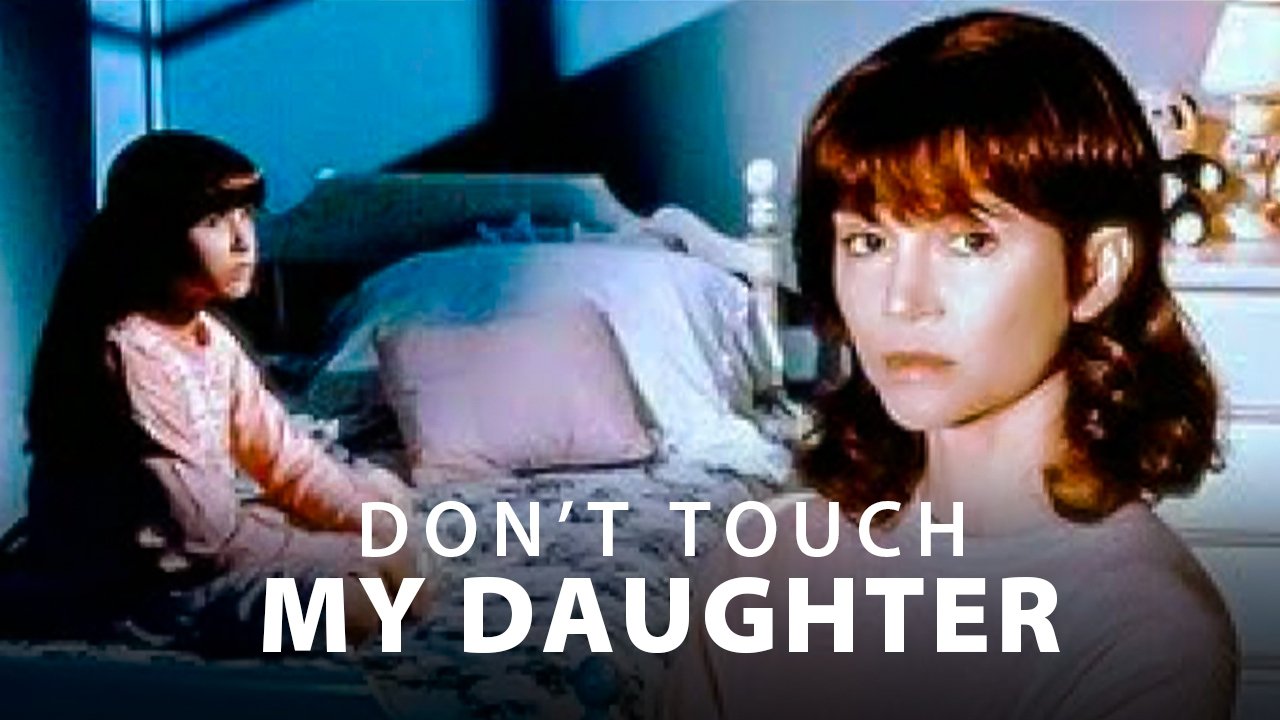
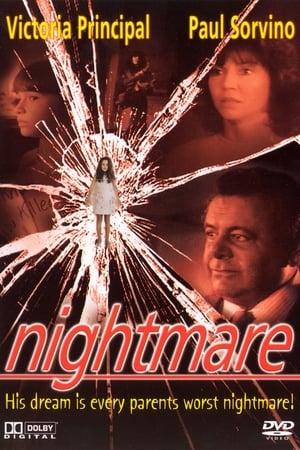


A young girl is kidnapped and molested by a classmate's father. The man she identifies is arrested and jailed, but is later released on bail. He calls the girl's mother and threatens to kidnap her daughter again, and this time kill her and make sure her body will never be found. She goes to the authorities for help, but there's nothing they can do until he actually tries something. Afraid for her daughter's life, the mother decides to take matters into her own hands.
With the theme of unemployment, it presents a family fantasy anecdote rather the a comment on social problems.
What starts off as a success story for a single mother living below the poverty line, slowly begins to weave itself into a tangled web of greed, guilt, and destruction.
The plot could’ve really been interesting if the elements of lycanthropy was integrated with perhaps the struggle of identity of being LGBTQ+. It's an experience for so many that as they’re starting to realizing their true selves, they feel like a monster, especially if they come from unsupportive homes or communities. Instead, the horror and transformation elements seem thrown in without contemplation of how this could deepen the narrative.
Dead Poets Society relies on patriarchal tropes such as overbearing fathers, contrived brotherhood, and faux-individuality in order to portray its straight white male characters as oppressed.
It surely isn't for everybody and could certainly offend some folks, but Troll Hunter takes a different approach to representing religion in a film.
Overall, Lee Cronin’s The Mummy is plagued by numerous flaws, both from a quality and from a diversity standpoint. The film relies on gore and loud sounds to drown out its flat script, flatter dialogue, and one-dimensional characters.