Mortal Kombat: Scorpion’s Revenge Gives Fans a Gory Good Time
Ever since the mid-’90s, the Mortal Kombat game franchise has seen multiple attempts to make it on the big screen, or at least adapted into other media.
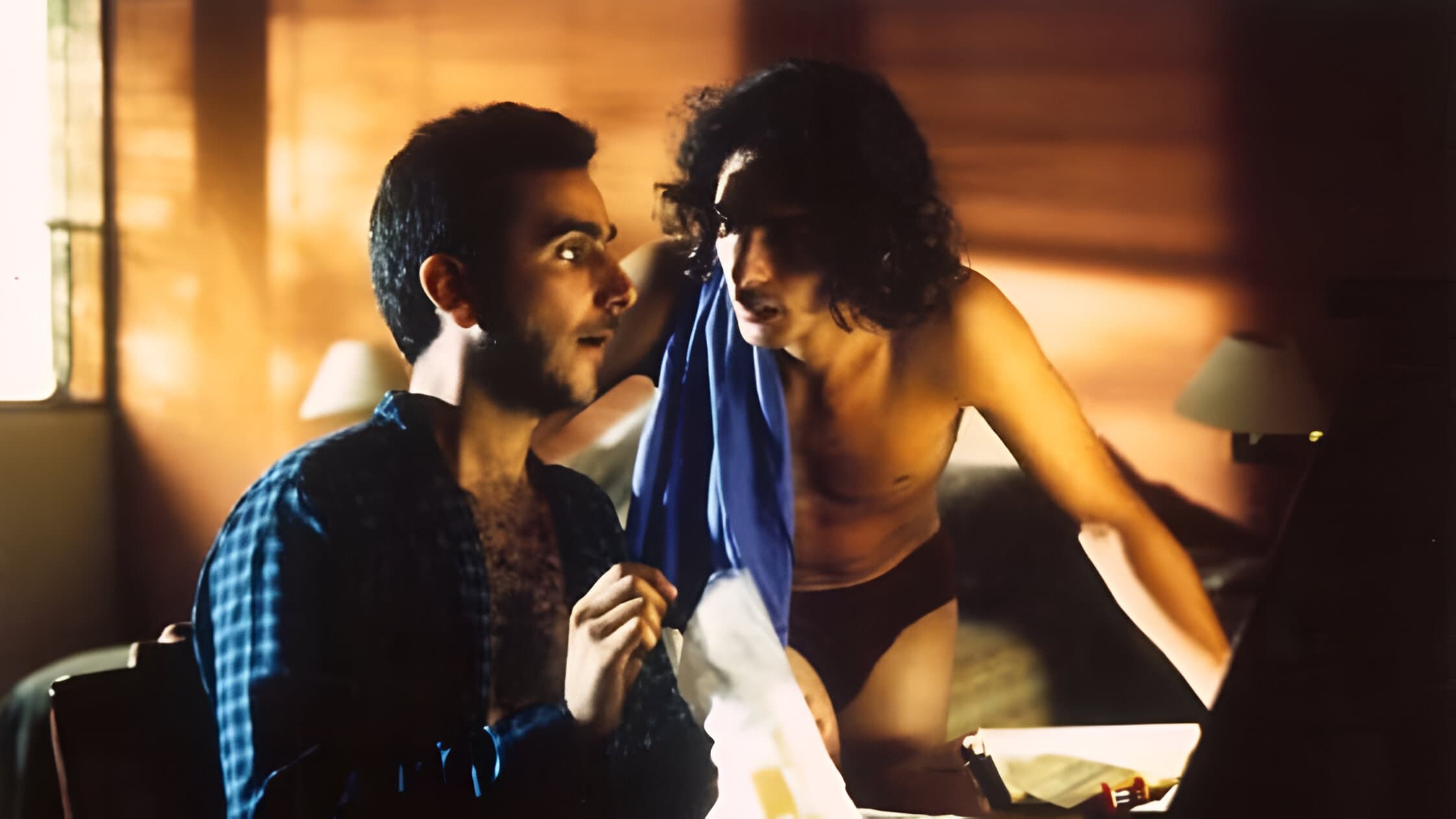



Based on the alleged autobiography of gay peruvian talk show host Jaime Bailey. Joaquin, a young man from the high class of Lima, deals with problems concerning his sexual identity as a child, then as a teenager pressured by his macho snobbish father, then as an independent lazy pot-smoking college student, and later as a cocaine addict in Lima and Miami.

Francisco J. Lombardi
Director


Santiago Magill
Joaquin Camino

Christian Meier
Gonzalo

Lucía Jiménez
Alejandra
Giovanni Ciccia
Alfonso
Vanessa Robbiano
Prostitute

Gianfranco Brero
University Professor
Hernán Romero
Luis Felipe Camino
Carlos Fuentes
Gerardo

Carlos Tuccio
Sacerdote Confesor
Anibal Zamora
Transvestite

Emilram Cossío
Dioni
Ever since the mid-’90s, the Mortal Kombat game franchise has seen multiple attempts to make it on the big screen, or at least adapted into other media.
Over the last several years, I have had the privilege of being one of the critics having the opportunity to watch and review several films from writer/director/producer Marcellus Cox, whose efforts are never anything less but grounded, relevant, and steeped in unflinching glimpses illustrating the gripping, inspired, and ever-vacillating realms that make up the human condition.
It’s been five months since Wayward premiered on Netflix and it still has some of us in a choke-hold.
Of the 28 total films I watched, just six of them were queer or featured queer characters in some way.
This film manages to be simultaneously topical and timeless. Without being preachy, it highlights society’s flawed relationship with tech; insights into the complex ideas of family struggle are expertly dispersed among a perfectly paced and balanced story.
Everyone needs a BFF and a "wing person" like Yumi (Chloris Li). Li brings the "straight person" persona, literally and figuratively balancing James Aaron Oh's perfectly timed comedic delivery as the unlucky-in-love.