






The End of “The End of Oak Street” is Oak Street
An attempt to capture nostalgia that unfortunately just doesn’t work

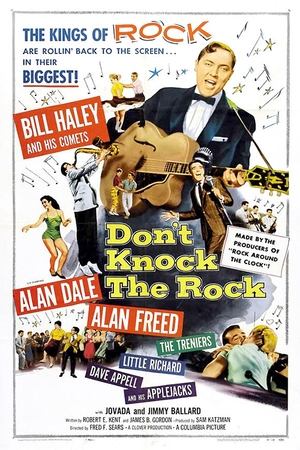


Rock-and-roller Arnie Haynes returns to his hometown as a hero to the teenagers. However, the mayor and other concerned adults have banned him from performing in his hometown because they consider him and his music a negative influence on the youth. But with the help of disc jockey/publicist Alan Freed and fellow artists (including Bill Haley and the Comets and Little Richard), they hope to convince everyone that rock and roll is not as dangerous as the adults think.
An attempt to capture nostalgia that unfortunately just doesn’t work
Sorry to Bother You ultimately speaks to the unfair advantages that the country’s power structures award to those with the resources to control others, as Lift’s easy access to the media allows his opinion to be the only one that matters in the eyes of the unsuspecting and easily impressed public. Moreover, it reveals the extent to which the American Dream has any true validity. It postulates how the promise of success and fulfillment as promoted by the American Dream more often than not leads to the undoing of the individual. Interestingly, in its revealing of the American Dream as merely a facade, Sorry to Bother You wisely questions whether or not anything can really be done to undo a system that has been accepted and in action for centuries.
In a world where we hear ringers and beepers at every corner, technology feels inescapable. This is why technology is often an enemy in Digital J-horrors, like One Missed Call.
One of the reasons I love watching movies is that, much like books, they serve as windows into other times and different places. Productions from around the world offer valuable insights into the history and culture of their respective countries. And just like literature, cinema can help us understand the present by showing us the past.
"Terrace House" improves on the standard reality TV format by affording its cast privacy, freedom, and respect.
Given Hollywood's history of racism and financial motivations, how much progress can we expect? Plus: a list of excellent films by Black directors.