
“Disclosure Day” and Anthropocentrism
Disclosure Day asks us to question humanity's role in the universe but falls victim to the same assumptions of centrality.
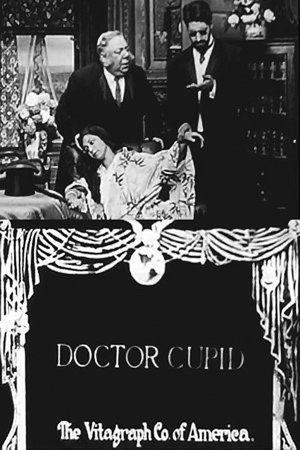


Love! What a wonderful thing is love. Cupid is a specialist in aching hearts and for sick men and maidens. Alice Linton falls in love with Percy Primrose, a young poet. Papa Linton says, "Cut out the poetry and keep the muse out of the family." He will not father-in-law a sentimental versifier. Alice is deeply smitten with Percy and she cannot be comforted, falls into a decline and looks very ill. Her father is anxious about her and hastens to see the family physician. Percy consults the doctor in advance of the father, however, and tells him all about Alice's trouble and his love for her. The old doctor is a friend of the young people and arranges to help them. When the father calls, the doctor feigns sickness and sends Percy, disguised as "Doctor Cupid," to attend the young lady's case.
Disclosure Day asks us to question humanity's role in the universe but falls victim to the same assumptions of centrality.
It surely isn't for everybody and could certainly offend some folks, but Troll Hunter takes a different approach to representing religion in a film.
An animated short film that never gets old, especially with iconic characters from the Disney series.
"Black Widow" has strong female characters but sidelines its title character and serves as a launchpad for her successor, Florence Pugh's Yelena.
True crime media is notoriously obsessed with the “missing white woman” trope, and yet the vast majority of American murder victims are male, and well over half are people of color.