


“Dead Poets Society”: Why Neil’s Father Stood "Before The Law"
Dead Poets Society brilliantly combines defeat and optimism, rejection and love, craziness and daring, fear and freedom.
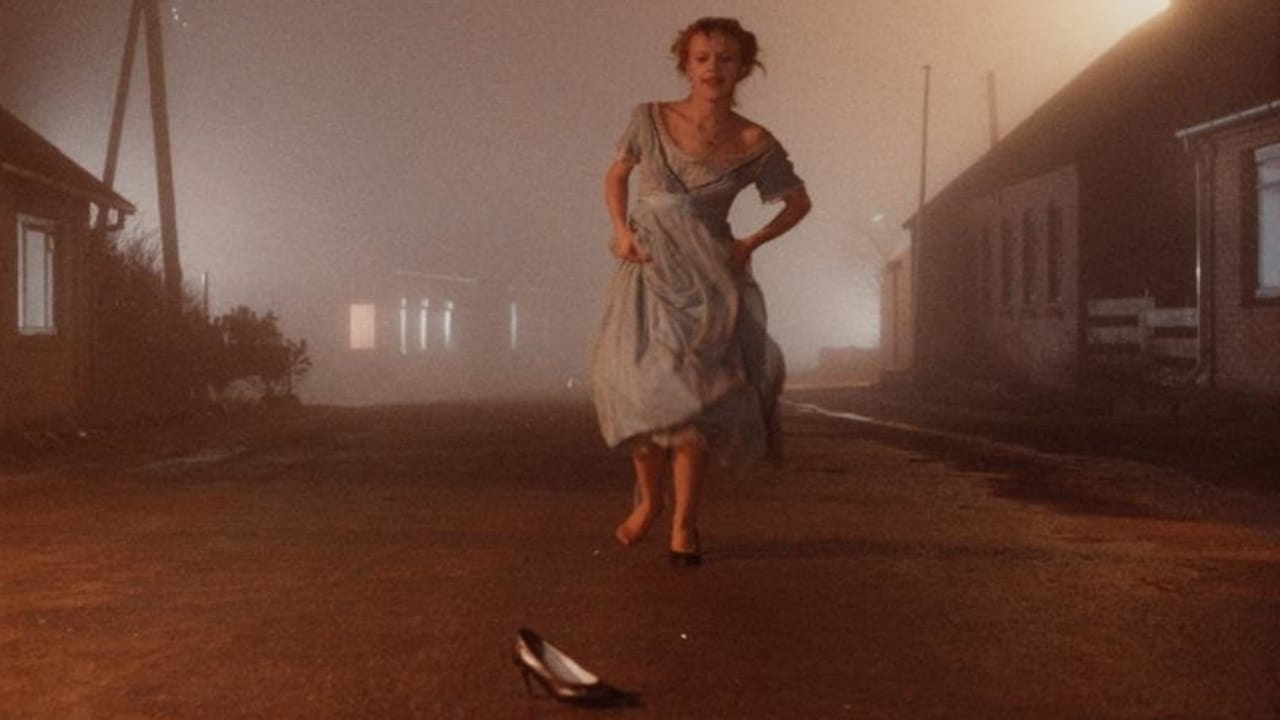
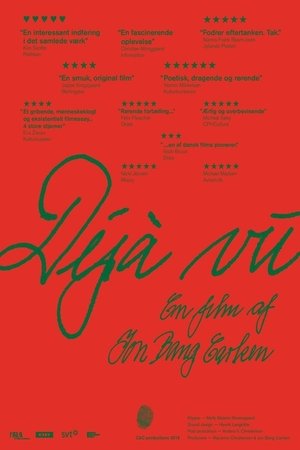


To what extent does a director stay objective and anonymously hidden behind the camera? The Danish director Jon Bang Carlsen knows for sure that the choices he makes in his films aren’t accidental. Several excerpts from his own work show that events in his personal life have a major influence on his work. In fact, he appears to be using images that he recognizes in particular. It’s a revelation for this filmmaker, who used to think he could stay objective and invisible. Topics such as doubting his faith, his runaway father and impressions from a carefree childhood are recurring themes in his diverse oeuvre. Showing us individual scenes, Carlsen comments in voice-over on the images and muses about his life and work.
Dead Poets Society brilliantly combines defeat and optimism, rejection and love, craziness and daring, fear and freedom.
Queen & Slim is a nice example of representation in both cast and crew
After We Collided is a sequel to last year’s After, which itself was based on Anna Todd’s 2014 novel of the same name, and which was originally published as a Harry Styles-centric fan-fiction on WattPad (a similar path as E.L. James’ Fifty Shades of Grey series).
Hanna Bergholm's 'Hatching' shows us that the modern version of the cardboard world trope is social media.
Joker is a compelling, character-driven, psychological tale that has a message behind the madness.
(Disclaimer: Harmful Language) In celebration of Pride Month, Father's Day, and father figures (and whoever supports you), I revisit Moonlight's brief but spectacular character, Juan. With overarching themes tied to masculinity, I reexamine his intimacy with Little.