
NYFF Review - 'The Inspection' Unearths Empathy in the Trenches of Bootcamp
The film exhibits a respect for the craft and an empathy for human tribulations that have historically been ignored.
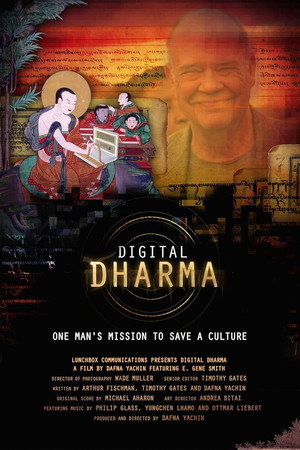


Gene Smith was born in Utah and raised a Mormon. After studying science and anthropology, Smith relies on an interest and ability in obscure languages to avoid the Vietnam-era draft. While studying Sanskrit and Tibetan at the University of Washington, he takes up Tibetan Buddhism as an academic pursuit and offers to help Tibetan refugees - brought to the U.S. to teach - to assimilate into American life. He is assigned to live with the family of Deshung Rinpoche, one of the most learned lamas to escape Tibet. Smith teaches English to Deshung, and Deshung teaches Smith about Tibetan culture and Buddhism. In 1959, Red Army Soldiers destroy thousands of homes and temples. Tibetan refugees are forced to leave behind countless artifacts, the sole evidence of their culture. A 1500-year literary tradition, in Sanskrit and Tibetan, is in danger of disappearing. Smith travels through India, Bhutan and Nepal...
The film exhibits a respect for the craft and an empathy for human tribulations that have historically been ignored.
The history of Hollywood is as ugly as it is beautiful. Most notably absent from Hollywood history are Black-produced films. “They’ve Gotta Have Us” explores the rise of Black cinema.
Everything Everywhere All at Once is exactly as the title describes, yet unexpectedly so. It's like the Matrix, but with OCD and hallucinogens, plus a heart’s dose of mother-daughter intergenerational intercultural growing pains. Review and cast.
The social issues The Half of it takes on are handled well, between the antagonization brought on to Ellie for her race and the conflict that arises from her being gay. Both aspects of her character are built up over the course of the film and don’t seem abrupt or rushed. The film shows racism towards Ellie and her and father in varying levels, from having her schoolmates specifically address her as "Chinese girl” to the fore mentioned way her Dad is treated due to language barriers. The same can be said about Ellie being a lesbian. While she never truly “comes out” in the narrative, that does not undermine her journey of self-discovery from being meaningful. These ideas aren’t thrust upon the viewer in a preachy manor, the scenarios that occur feel believable given the rural setting. The film presents watchers with problems whom those like Ellie may face, and leaves us to sit with them and reflect.
This live-action Barbie movie brings strong feminism and topics about blondes.
Mona Fastvold’s nineteenth century lesbian romance is emotionally charged, restrained, and poetic without feeling forced.