


“Uncle Frank”: Acceptance and Queer Representation
Growing up with a lot of siblings, young Beth felt ignored her immediate family. Uncle Frank made her feel seen, heard, and accepted.
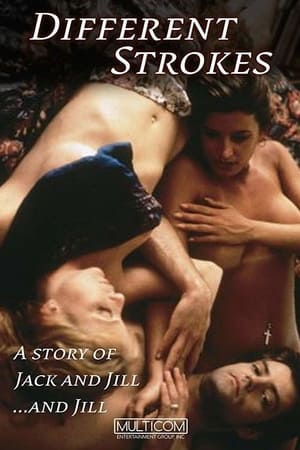


A Los Angeles fashion model falls in love with a female art director during a photo shoot which puts their newfound romance at odds with the model's photographer boyfriend.
Growing up with a lot of siblings, young Beth felt ignored her immediate family. Uncle Frank made her feel seen, heard, and accepted.
Strangers in a crowd, exchanging glances, looking away, continually managing to run into each other then part ways, end up at the same diner, find they've rented the exact same vehicles, and are then made to travel together to learn once more whether they can both find genuine adoration and companionship again. This really does, in so many words, sum up the foundational gist of of this new feature film from writer Seth Reiss ("The Menu") and director Kogonada ("The Acolyte", "After Yang"). Yet, it's all only the set-up for the REAL wonder of everything that happens before, during, and in the aftermath of a magical, meaningful journey.
The assassins in Bullet Train are quirky, deadly, and diverse. Yet, they all seem to be some type of caricature. While the movie is fun and action-packed, it’s also packed with stereotypes that don’t make for the best representation.
GOAT (2026) opens to the chanting of a crowd: "Roots run deep!" The rest of the film goes on to echo that sentiment, offering gorgeous animation and a heartfelt story along the way.
The film's storylines read as allegories for the queer experience and that's a source of solace for LGBTQIA+ fans!
A science fiction movie brings a strong diverse cast and adventure in outer space.