

What 'Magnolia' Says About Childhood Trauma
Magnolia focuses on how one’s childhood and trauma relate to their confidence and self.
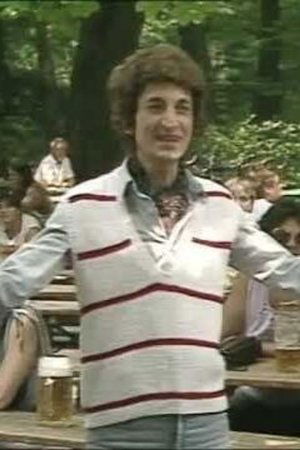


The Nightingale of Ramersdorf is one of the most dazzling but also the most tragic figures of the German neighborhood scene. What began in the Munich chic of the 70s led to the sad life as Tingel-Chansonnier in Berlin through various supporting roles in films by Rosa von Praunheim. The quarrelsome artist never had a loyal fan base. But all the more people talk about him in the pubs, where he was accompanied by a ghetto blaster who was hated by the often involuntary audience. Because in truth there is usually nothing better to tell. Meanwhile, the nightingale of Ramersdorf is impoverished, a care case and almost blind. But she was left with the unmistakable voice and the memories of her own time.
Magnolia focuses on how one’s childhood and trauma relate to their confidence and self.
With The Father, writer-director Florian Zeller- who wrote and developed the play upon which the film is based- pulls no punches as he confidently makes every effort to put the audience in the mind of someone whose grip on reality has all but vanished. It’s a dazzling testament to Zeller’s abilities as a director as he makes his first transition from stage to film appear as if he’s been working behind a camera his entire career. The dialogue he fashions with co-writer Christopher Hampton, along with the work of production designers Peter Francis and Cathy Featherstone, collectively makes the downward spiral of dementia startlingly tangible, doing so in a way that can be comprehended by everyone except the person it directly affects.
There's no hiding the horrors of war in this inspiring story of survival
Complex relationships between mothers and daughters are far from a new concept, whether the strain comes from abandonment, beliefs, or trauma. In My Only Wish, an Incluvie Film Festival submission, Brenda Gutierrez’s take on her character’s maternal divide comes in the form of abandonment.
All in all, 47 Meters Down: Uncaged is a film I would recommend. It promotes the bond of sisterhood, which in this case is clearly thicker than blood, as well as courage. No one truly knows how strong they are until they go through something unimaginable and come out changed for the better.
Taylor Swift dazzles many fans with remixes of her country and pop singles in her Reputation Stadium concert tour, becoming a successful concert film.