Sirāt: No Lesson to Learn
The one-way journey went to the desert that refused to offer an answer or a transcendence.
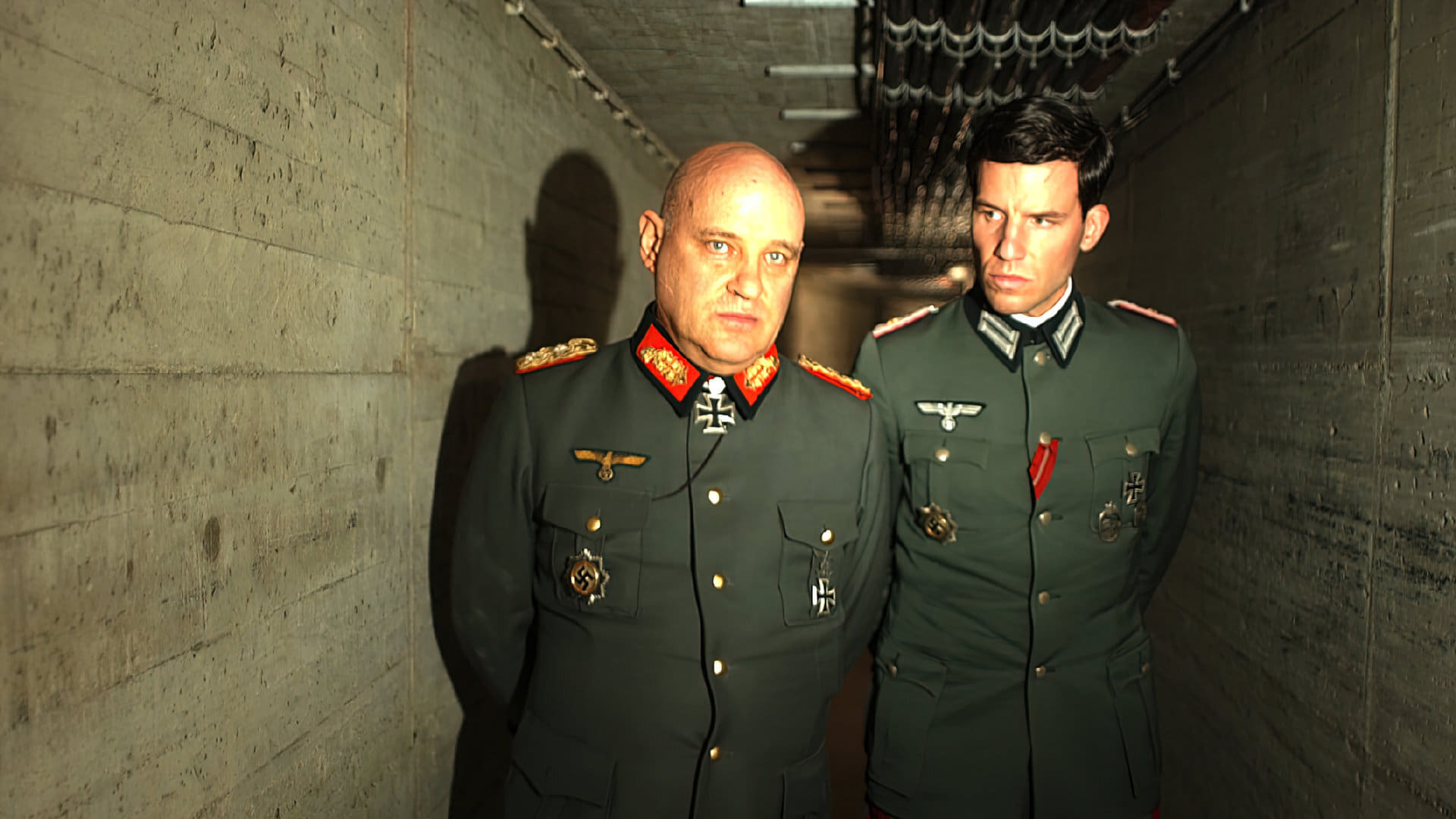
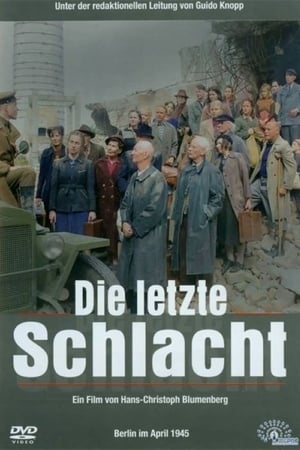


The 13 days from April 20th to May 2nd, 1945, are unique in the history of Germany: They are the final act in the history of the Third Reich, which was supposed to last for a thousand years and succumbed after twelve in an orgy of violence and fire. In the catacombs of his bunker under the Reich Chancellery in the capital city of Berlin, which Adolf Hitler wanted to make the centre of the world, the dictator operates with ghost divisions during the final days of the war. Only in the final moment, he takes his own life. Meanwhile, On the streets, in the ruins, and the basements of the destroyed city, the final battle wages on: Adolescents are sacrificed without purpose, women get raped, loyal party comrades commit suicide in the thousands, Jews who were in hiding for years hope for the liberation.

Hans-Christoph Blumenberg
Director


Tom Schilling
Fähnrich Horst Bandmann

Anna Maria Mühe
Doris Bober

Tim Bergmann
Major Bernd Freytag von Loringhoven

Christian Redl
General Hans Krebs

Katharina Wackernagel
Ilse Anger

Jörg Schüttauf
Hausmeister Otto

Jan-Gregor Kremp
Generaloberst Nikolai Bersarin

Ludwig Blochberger
Hannes Schachelhuber
Fabian Busch
Eugen Herman-Friede
Tobias Schenke
Leutnant Doernberg

Marek Harloff
Richard Baier
The one-way journey went to the desert that refused to offer an answer or a transcendence.
A film for the post-MeToo era that inverts the narrative with an ironic coda, Tár depicts the duality of a sensitive artist capable of great evil and vile manipulation.
All in all, “Event Horizon” is a cinematic misfire, begging to be perfected in the future. While it possesses an array of admirable visuals, the film leaves much to be desired. If only we could see Anderson’s preferred cut, which featured more character development and tortuous imagery. In the meantime, I have a catchphrase for this film: In space no one can hear you snore.
'Call Me Kate' is for the fans. It's an intimate account of an iconic film star.
This 2022 Netflix Film starring Rebel Wilson delivers when it comes to comedy, but leaves you wishing there was something more.
An incredible documentary showcasing the difficulties of living in a crumbling Rust Belt city.