



Rebel with a Cause: Andor
Andor is an origin story where each side will do whatever it takes.
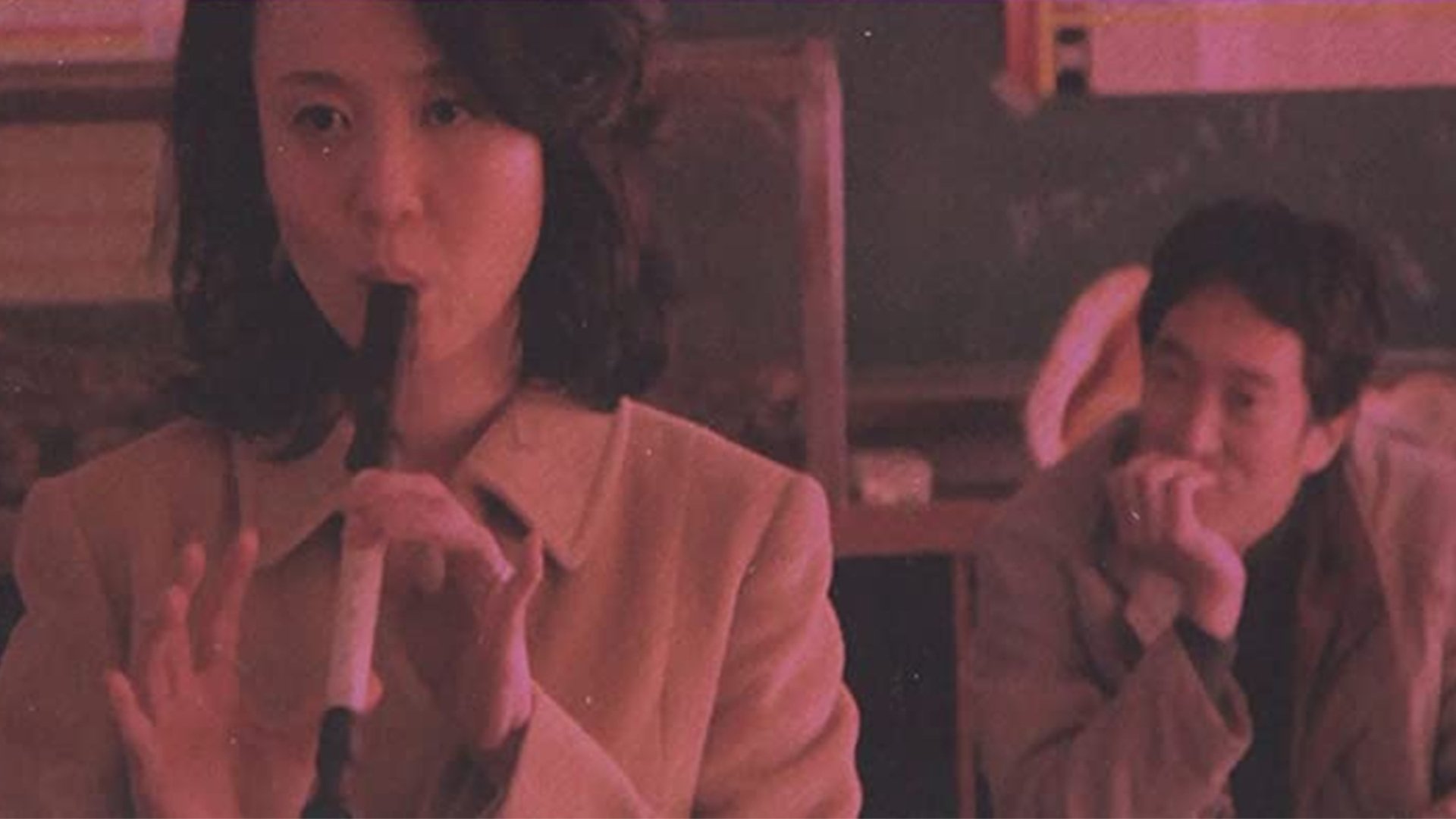
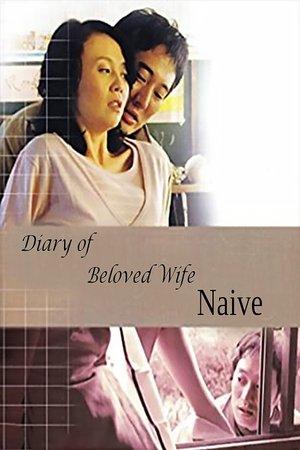


Yoko is an ordinary housewife living in an ordinary apartment block. She has no real complaints as she goes about her tedious days, although her husband, Shinichi, is rather predictable in bed. They have one son, Junichi, and Yoko feels at a loss regarding his recently-acquired adolescent interest in sex and his secret stash of erotic magazines. Junichi is about to write his junior high school entrance exams, so he’s heading off to cram school camp for New Year’s. Before going, he makes a surprising suggestion, “Why don’t you guys go somewhere for New Year’s?” Yoko and Shinichi are suddenly faced with the prospect of New Year’s apart from their son. How will this couple, who’ve already lived half of their lives, change their behavior when it’s just the two of them?
Andor is an origin story where each side will do whatever it takes.
'Easy A' is emblematic of a world that liked to sarcastically pretend it was progressive but wasn’t actually ready for that change, making it pretty anti-sex.
Films and TV series often tend to misrepresent or not acknowledge bisexual characters, but recent trends show that bi-erasure is now under deserved scrutiny. So, I’m genuinely happy about the direction bi-representation seems to be taking.
If you enjoy the bizarre, silly and entertaining world of the horror B-movies and want a break from the nuanced and poignant big budget horror releases, I have a list of gore-fests from the last ten years to enjoy this October.
I was able to watch the gleefully mesmerizing Disney remake that was Robert Zemeckis’ Pinocchio. I was enthralled by Zemeckis’ iteration.
Dead Poets Society relies on patriarchal tropes such as overbearing fathers, contrived brotherhood, and faux-individuality in order to portray its straight white male characters as oppressed.