


You're Probably Not 'The Worst Person In The World'
'The Worst Person In The World' follows a part of life I don't see often portrayed on-screen: extended adolescence.
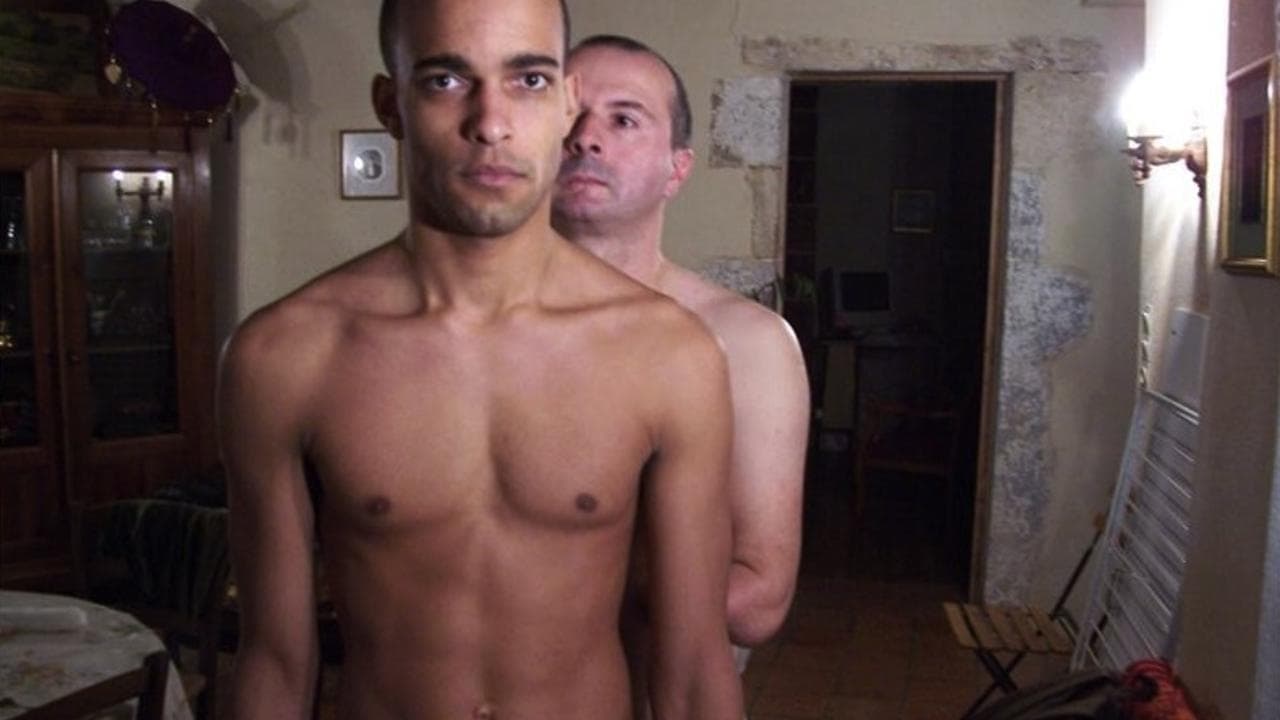
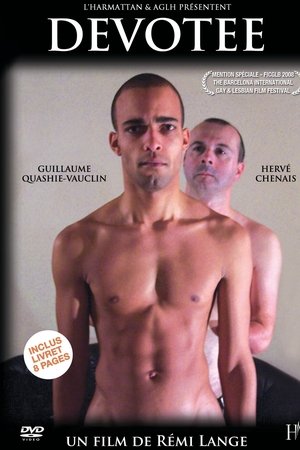


Devotee is the story of Hervé, an assertive 43-year-old man who was born without arms or legs. He meets a gorgeous young man on line, a devotee (devoteeism or acrotomophilia) is the sexual attraction to people with amputations) who seems like he might be different. Their encounter proves Hervé's difficulty in finding a true connection with someone who is interested in treating him like a person rather than a mere fetish.
'The Worst Person In The World' follows a part of life I don't see often portrayed on-screen: extended adolescence.
This Halloween movie is a remake of the 2003 movie of the same name with Black representation.
We, the Jane Austen aficionados, are suckers for everything and anything under the sun that’s remotely related to her and her world. That’s because we are so drawn to her unique style of fiction, romance, and social commentary, we take any allusion to her influence as a hint to what to expect when we start watching a movie or reading a book.
Throughout Brendan Fraser’s career, he has played a plethora of unique, layered characters who explore the importance of not being afraid to display your emotions, something that is often seen to not be a masculine trait. This idea of regulating emotion and what traits men are able to possess creates a toxic atmosphere for men who are often told they should not cry or represent their emotions in any physical way. These characters represent that men can be joyful, emotionally conscious, and sensitive, while also representing their masculine identity instead of painting those qualities as fighting against their masculinity.
Who knew a drunken game of truth or dare could launch one of the most chaotic rom-coms of the year? The Threesome takes Connor’s fantasy night with Olivia (Zoey Deutch, in peak queen-of-indie form) and Jenny (Ruby Cruz) and flips it into a deliciously messy nightmare when both women end up pregnant. What follows isn’t cheap comedy—it’s a whip-smart, heartfelt exploration of love, consequence, and the beautiful disasters we call adulthood.
A sweet, singalong distraction with several positive messages.