





"Queen & Slim" Needs a Trim
Queen & Slim is a nice example of representation in both cast and crew
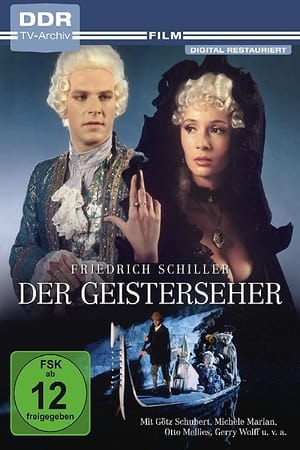


In 1787, Friedrich Schiller published his story about a prince who manipulates, seduces, and ultimately falls victim to a murderous intrigue in Rococo Venice. The prince, an enlightened ruler with a penchant for worldly things, travels to the funeral of his brother, a sometimes mentally confused, generally incompetent, alcohol-addicted good-for-nothing who died in a brawl. Having come to fulfill a tedious duty, the prince falls in love with a mysterious beauty against a romantic backdrop of dreamy gondolas, castles, and masks, and she drives him mad. He, who is usually guided by incorruptible judgment, becomes increasingly entangled in the finely woven web of his invisible enemies from the nobility and clergy. For, despite all reason, it is a matter of succession to the throne and thus of power.
Queen & Slim is a nice example of representation in both cast and crew
This story solidified my choices to consume a more plant-based diet and nearly made me cancel my subscriptions to big corporations like Amazon. The narrative was perfectly crafted and on par with Bong Joon-Ho’s other major works; Parasite and Snowpiercer.
"King Richard" paints a nuanced portrait of a Black father trying to ensure his daughters’ success in a racist, misogynistic world. Yet, Richard and his kids overcome that fear and adversity to succeed.
Ricky Staub’s Concrete Cowboy, based on Greg Neri’s novel "Ghetto Cowboy", tells the story of a young teenager forced to adapt to a new lifestyle.
Typically in film, characters suffering from mental illness are used as plot devices or exaggerated for comedy. 'The House that Jack Built's representation exceeds in accuracy and realism of OCD.
Throughout Brendan Fraser’s career, he has played a plethora of unique, layered characters who explore the importance of not being afraid to display your emotions, something that is often seen to not be a masculine trait. This idea of regulating emotion and what traits men are able to possess creates a toxic atmosphere for men who are often told they should not cry or represent their emotions in any physical way. These characters represent that men can be joyful, emotionally conscious, and sensitive, while also representing their masculine identity instead of painting those qualities as fighting against their masculinity.