


Inside the 'Diary of a Wimpy Kid: Rodrick Rules'
The sequel to the 2010 live-action movie focuses on sibling rivalry.
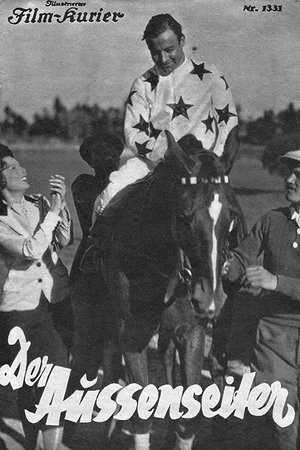


Peter Bang, a journeyman carpenter who knows absolutely nothing about horses, wins the trust of Toni—a mare that had broken loose—and gently leads her back to her stud farm. There, he is offered a job as a stable hand, as he clearly possesses a special knack for handling horses. Peter accepts the offer but notices that the jockey, Otto Burian, treats the mare rather roughly. Believing that Otto’s colleague, Hans Rückert, has a better way with horses, he secretly arranges for Hans to train with the mare.
The sequel to the 2010 live-action movie focuses on sibling rivalry.
It’s the most loving tribute to cinema and to Ingmar Bergman, set in world that feels so habitable that I felt like only re-watching this for eternity, because of how inviting it looks and feels.
Upon first watch, Buddy feels like it should have been aired on Adult Swim at four in the morning.
The plot could’ve really been interesting if the elements of lycanthropy was integrated with perhaps the struggle of identity of being LGBTQ+. It's an experience for so many that as they’re starting to realizing their true selves, they feel like a monster, especially if they come from unsupportive homes or communities. Instead, the horror and transformation elements seem thrown in without contemplation of how this could deepen the narrative.
The venn diagram of pop feminism and white-centered feminism is a circle. Acknowledging that is not a crime nor a diminishing of 'Barbie', Director Gerwig, or feminism in general.
I suppose you could argue that the story wasn’t what Director James Cameron was aiming for, it was the visuals. The spectacle of it all was the point, and it certainly shows.