



A Queer Review of the Austin Film Festival (2023)
Highlighting the many ways in which AFF 2023 illustrated that the queer experience is not a monolithic one.
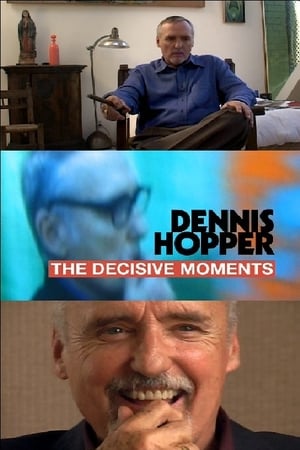


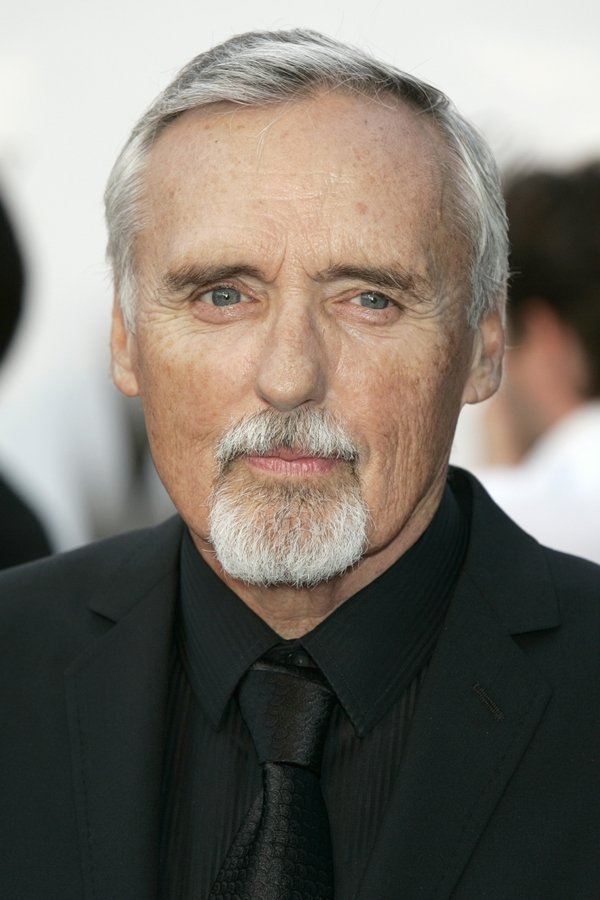
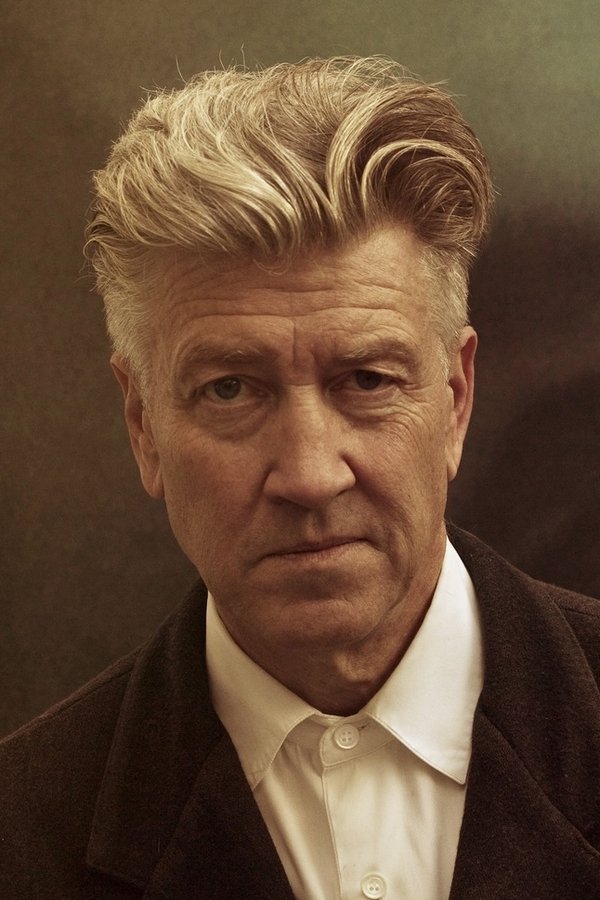
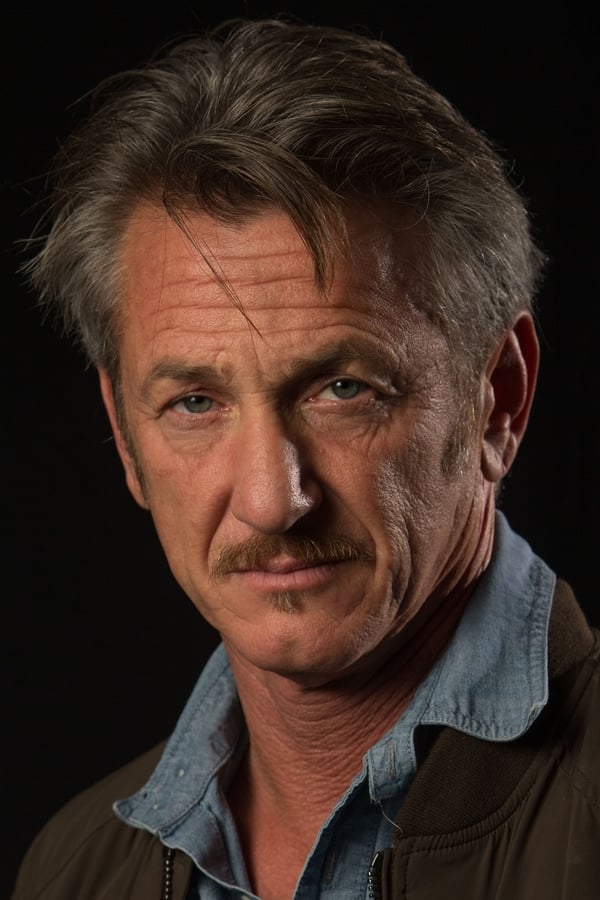
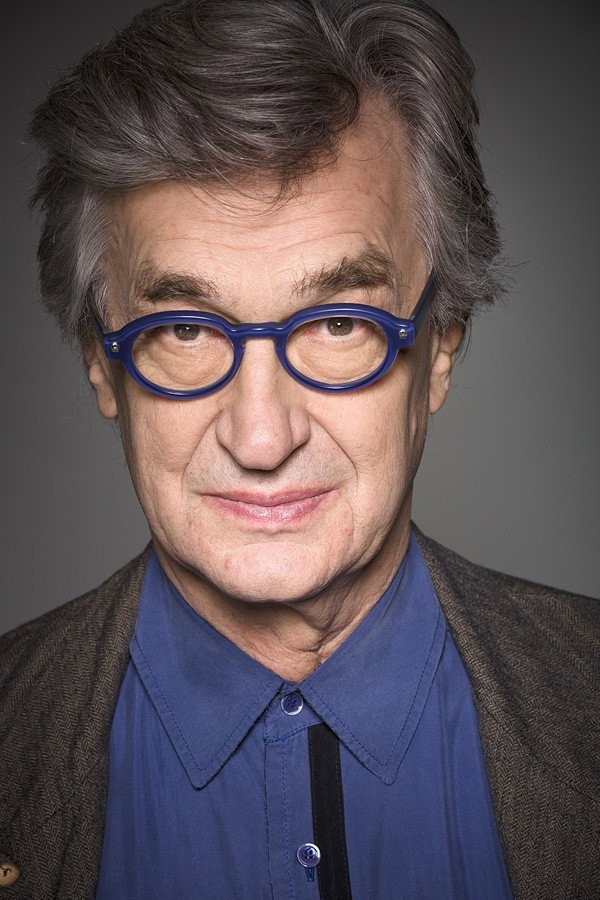
The inevitable fat cigar between his fingers, the American actor, director and fine artist Dennis Hopper (1936) self-mockingly looks back on his chequered life and career, at the request of Dutch director, photographer and fine artist Thom Hoffman. The latter sifted through the turbulent life story of Hopper, who is primarily known from the cult film Easy Rider (1969). Hopper went through as many high as low points. In conveniently arranged chapters, Hoffman shows the decisive moments in Hopper's life and asks colleagues like Wim Wenders, David Lynch, Sean Penn and Julian Schnabel to comment on them. The documentary is richly illustrated with film excerpts, photos, newspaper articles and anecdotes. The main reason for this film was the retrospective of Dennis Hopper's art work in the Amsterdam Stedelijk Museum in 2001.
Highlighting the many ways in which AFF 2023 illustrated that the queer experience is not a monolithic one.
Malignant is a roller coaster ride of slow-build scares, moments of wonderfully absurd camp, and explorations of autonomy.
The way Jeannette has to deal with child neglect makes her insecure about her parents and how she was brought up and raised in the United States. This continues into adulthood, where Jeannette becomes a successful journalist and is frequently asked about her parents by others.
Disney remakes have often gotten a bad rap for their consistent reliance on the originals and overuse of CGI. However, Mulan is a remake that is able to transcend beyond Disney's other remakes with a confident and bold earnestness.
Overall, Sand Castle was another lack luster war drama that will eventually fade into the many similar war dramas I have seen throughout my life.