







Pro-Capitalism and other Antiquated Ideas on Court TV
Court TV shows offer uncritical eyes on the systemic inequalities of the legal world.
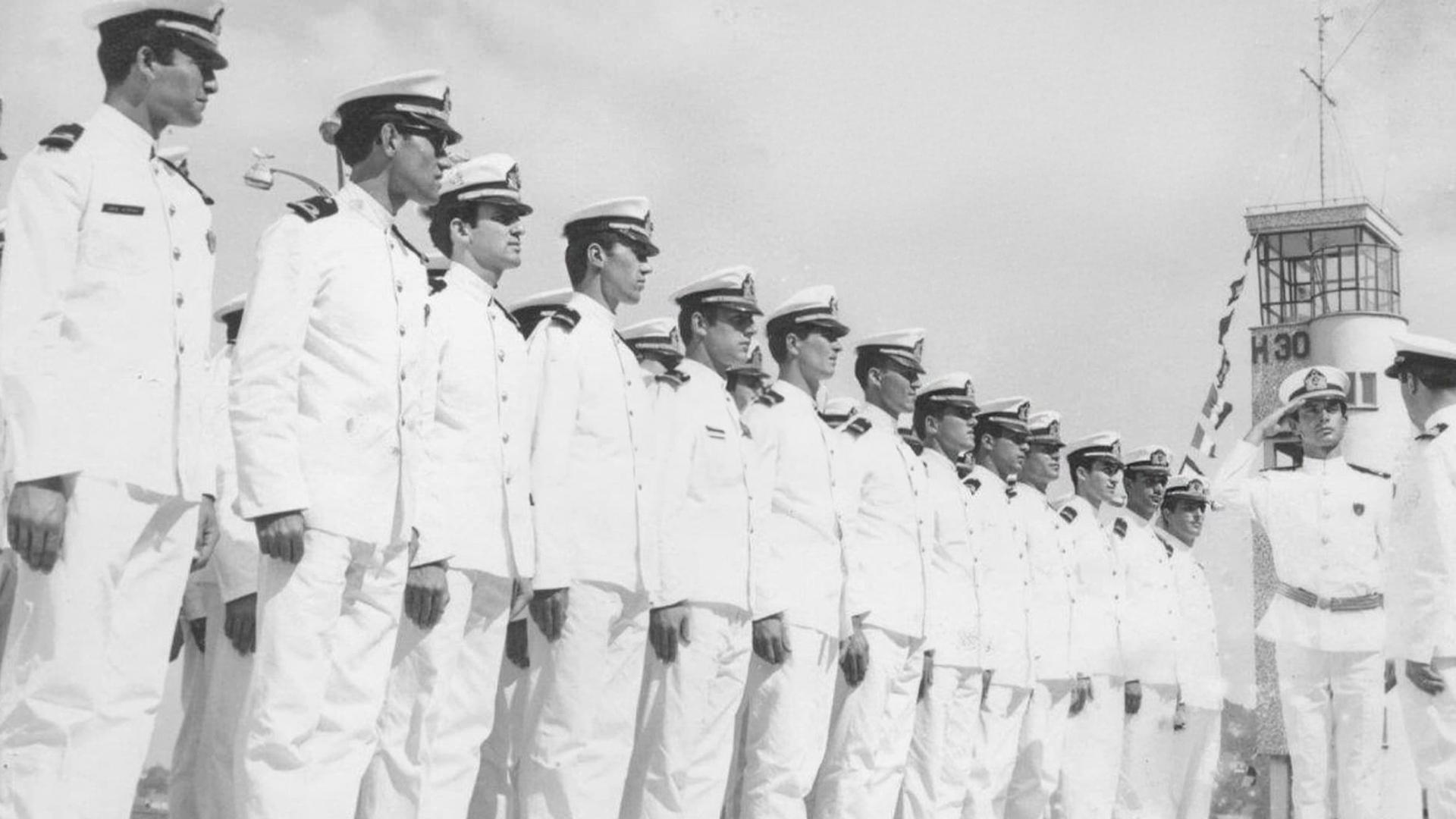



The film tells the story of an officer who falls in love with the same girl as his commander. Metin and his three friends have just graduated from the Naval Academy. They travel by ship to the school where they will take a course in underwater warfare. Metin begins to take an interest in Birsen, who is also on the ship. However, there is another man named Kemal who is also trying to attract Birsen's attention. A dispute arises between Metin and Kemal on the ship over Birsen. However, when they arrive at the school where they will receive their training, Metin discovers that Kemal is his new commander. Their mutual interest in Birsen will frequently bring the two men into conflict.
Court TV shows offer uncritical eyes on the systemic inequalities of the legal world.
Acutely funny and always well-intentioned, Last Week Tonight has a lot of heart for a satirical-news program.
In Spike Lee’s She’s Gotta Have It (1986), we follow the love life of powerful female protagonist Nola Darling (Tracy Camilla Johns) and explore the relationship dynamics she has with her partners. She sees three men simultaneously: Greer Childs, (John Canada Terrell) Mars Blackmon (Spike Lee), and Jamie Overstreet (Tommy Redmond Hicks). Though an 80’s film, She’s Gotta Have It is surprisingly progressive with its themes of female sexuality, although at some points in the film it is handled clumsily. Overall Nola is an incredibly compelling character especially for modern women, as we as a society acknowledge female sensuality more and more without the negative stigma.
I was able to sit down and talk with singer/songwriter Carson Lueders about his career in the music industry. We talked influences from country music to Pop, and his working relationship with Quavo from the The Migos.
A refreshing twist is that all the kids’ powers are…kind of useless. There’s a kid who can only move in slow motion, a kid who has every power in the world but can only use them randomly, and our main character Missy who has no powers at all. The thesis of the film seems to be that it doesn’t matter what kind of powers you have, its the way you use them, which is good for the warm and fuzzies.
White audiences saw Peola’s mixed-race passing as a Black woman’s struggle to be white. Black audiences saw it as the rebellion of a Black woman trying to gain privileges only given to white people.