
‘Oppenheimer’: The Man Behind the Myth
‘Oppenheimer’ is a force to be reckoned with. A biopic that respects the audience’s intelligence.
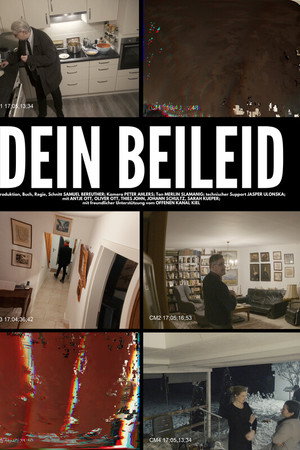


An empty house. Inside, four surveillance cameras showing different rooms. A woman in a winter coat enters the hallway, holding a large plate of cake. As if in a secret surveillance centre, we look at four monitors and watch the figures in black mourning clothes move from room to room. In the centre of it all is our main character, who tries in vain to escape the countless expressions of condolence. The traditional mourning rite as a social gauntlet. "Dein Beileid" was shot in two planned sequences with four cameras running in parallel. It is a play with the medium of film, an experiment with parallelism. With each viewing, the audience can focus their attention on new aspects and actively explore the plot and relationships. Depending on what we focus on, the film is sad, humorous, or in any case deeply atmospheric.
‘Oppenheimer’ is a force to be reckoned with. A biopic that respects the audience’s intelligence.
Hiring bias is something that's rampant in all industries (even unconscious bias). But writing a script totally neutral not only opens the door for more diverse actors, but also for characters that are people first.
The plot could’ve really been interesting if the elements of lycanthropy was integrated with perhaps the struggle of identity of being LGBTQ+. It's an experience for so many that as they’re starting to realizing their true selves, they feel like a monster, especially if they come from unsupportive homes or communities. Instead, the horror and transformation elements seem thrown in without contemplation of how this could deepen the narrative.
Personalities clash and tempers fume in a family-run Chicago restaurant
During the rise of fascism in Mussolini's Italy, a wooden boy brought magically to life struggles to live up to his father's expectations.
I hadn’t heard of it either until recently—and yet, it’s one of the highest grossing movies of all time.