








Incluvie – Better diversity in movies.
Identity in film with Incluvie stamps, scores, reviews.

Incluvie – Better diversity in movies.
Explore identity in film with Incluvie stamps, scores, reviews, and insights.

trailer banner
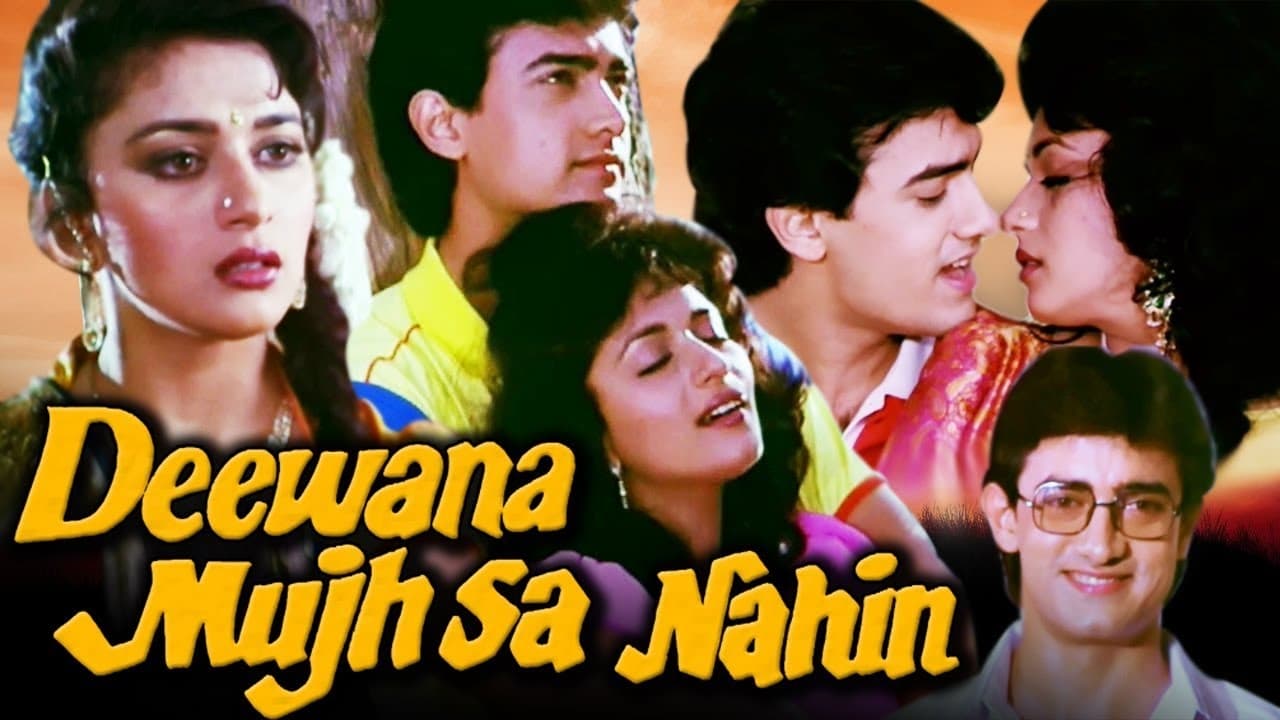
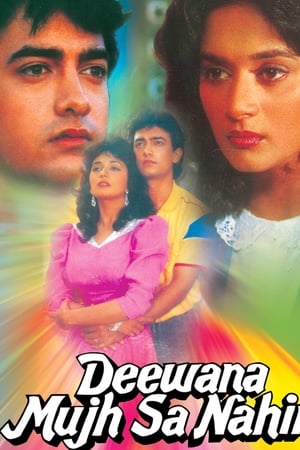
Deewana Mujh Sa Nahin poster

Deewana Mujh Sa Nahin 

Anita (Madhuri Dixit) is a model, and Ajay Sharma is a photographer, both work for the same agency. Ajay has fallen in love with Anita, and thinks that she is also in love with him. But Anita only takes him for a friend. She gets engaged to Vikram (Jainendra), and the marriage is to take place soon. Ajay still believes that Anita loves him, and he also starts making preparation for his marriage with Anita. Anita must now take appropriate steps to stop Ajay's obsession with her, before the matter gets out of hand.
- / 5
PopScore
Representation

Pictures and Videos


Incluvie Gala

Movie Information


Anita (Madhuri Dixit) is a model, and Ajay Sharma is a photographer, both work for the same agency. Ajay has fallen in love with Anita, and thinks that she is also in love with him. But Anita only takes him for a friend. She gets engaged to Vikram (Jainendra), and the marriage is to take place soon. Ajay still believes that Anita loves him, and he also starts making preparation for his marriage with Anita. Anita must now take appropriate steps to stop Ajay's obsession with her, before the matter gets out of hand.

Rating:
Genre:Drama
Written By:M. Parvez
In Theaters:
Box Office:

Runtime:130 minutes
Studio:

Articles You May Like


Who Needs 'Independence Day' When You've Got 'Sorry to Bother You'?

Sorry to Bother You ultimately speaks to the unfair advantages that the country’s power structures award to those with the resources to control others, as Lift’s easy access to the media allows his opinion to be the only one that matters in the eyes of the unsuspecting and easily impressed public. Moreover, it reveals the extent to which the American Dream has any true validity. It postulates how the promise of success and fulfillment as promoted by the American Dream more often than not leads to the undoing of the individual. Interestingly, in its revealing of the American Dream as merely a facade, Sorry to Bother You wisely questions whether or not anything can really be done to undo a system that has been accepted and in action for centuries.

Matt Geiger