


Vicky and Her Mystery Dog Become Friends
A bond between a girl and her dog takes an unexpected twist as the dog is not what it seems.
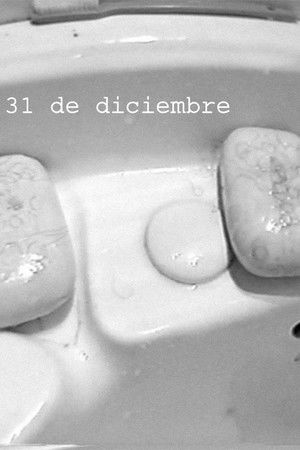


Roque and Cristian have no special plans for the day.
A bond between a girl and her dog takes an unexpected twist as the dog is not what it seems.
Marcel the Shell with Shoes On is the most human movie of the year. It is based on the 2010 short of the same name that follows a big-hearted, little shell named Marcel as he navigates through life in a human-sized world.
'También la Iluvia' exploits Indigenous peoples' fight against the privatization of water in order to tell a story about Spanish characters.
Films can alleviate alienation by presenting realities where the viewers feelings are shared by onscreen characters. The film 'Shrek' can be interpreted as a transgender story.
'Bodies Bodies Bodies', the latest from indie powerhouse studio A24, is a great time. Full of dark comedy laughs, great performances, and genuine scares, it's a perfect addition to modern slasher classics.
At first glance, one wouldn't think John Carpenter's cult classic would be a thematic double-billing - or that Free Guy would be worthy of being mentioned in the same sentence as They Live - but the two films of vastly different genres have more similarities upon further examination.