







“Disclosure Day” and Anthropocentrism
Disclosure Day asks us to question humanity's role in the universe but falls victim to the same assumptions of centrality.
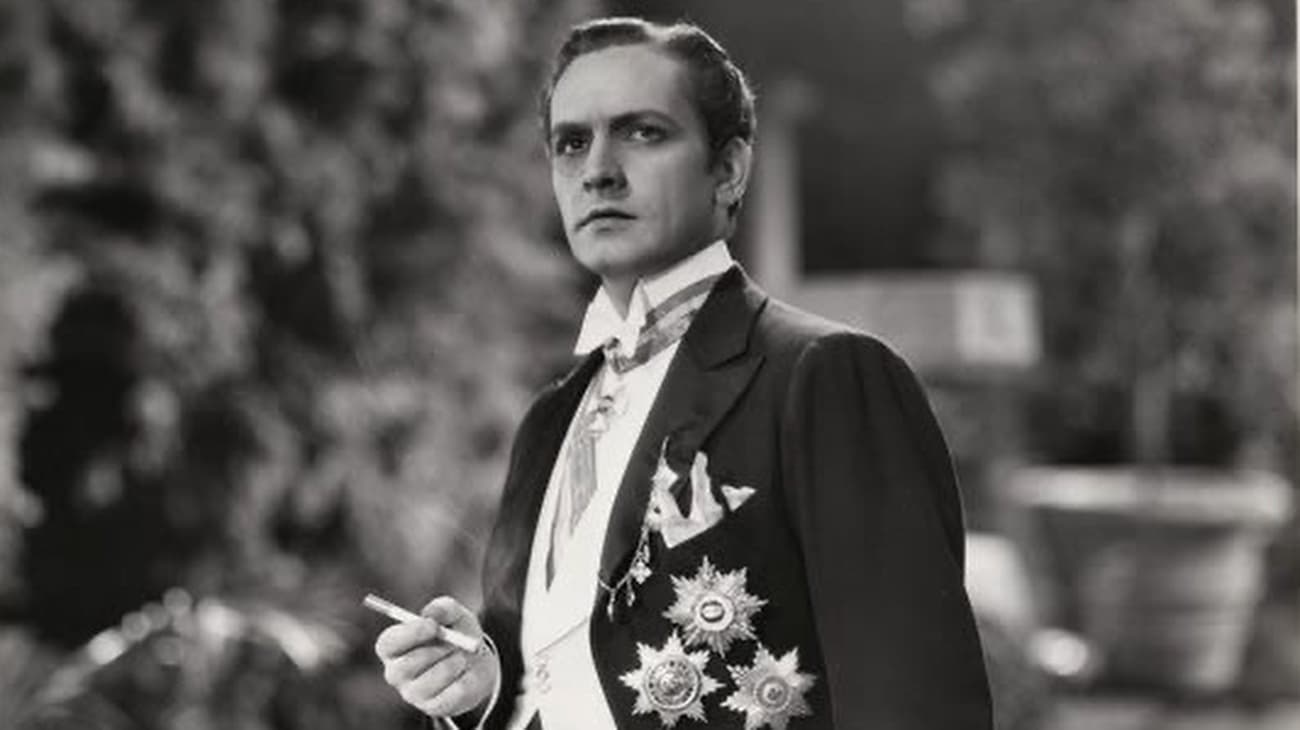
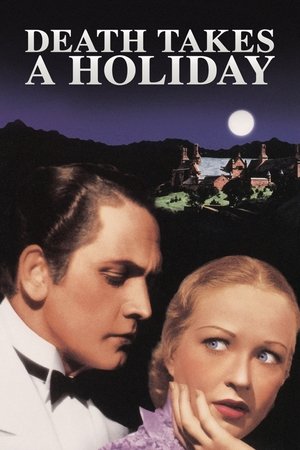


After years of questioning why people fear him, Death takes on human form so he can mingle among the mortals and find an answer. However, events soon spiral out of control as he falls in love with the beautiful young Grazia, the only woman not afraid of him. As he falls in love with her, her father sees him for what he is and begs him to return to his duties. Death must decide whether or not to seek his own happiness or sacrifice it so that Grazia may live.
Disclosure Day asks us to question humanity's role in the universe but falls victim to the same assumptions of centrality.
Cassie, a musician, and Luke, a man serving in the Marines, form a false relationship and keep it a secret.
'Living' dives into many themes that we can all understand regardless of our cultural backgrounds. We can see this through the shared similarities between 'Ikiru' and 'Living'.
The French-born director Laure de Clermont-Tonnerre’s strategic choice to entrust the interpretation of a conventional, feminine character to a non-binary actor pays off: Corrin’s Lady Chatterley is awkward, edgy, and uninhibited at the same time.
When it comes the horror genre, I am VERY hard to please or impress, much less scare. Coming from a current mindset of appreciation for chilling, unsettling, tension-inducing efforts such as "Hereditary", "The Conjuring" (ONLY the first one to date, mind you), "Lights Out", "The Babadook", "Midsommar", "Talk To Me", "Oddity", "Bring Her Back", and the like
People are so much deeper and far more extraordinary than what gender they were assigned at birth.