'Hatching' - Social Media as the Modern Cardboard World
Hanna Bergholm's 'Hatching' shows us that the modern version of the cardboard world trope is social media.
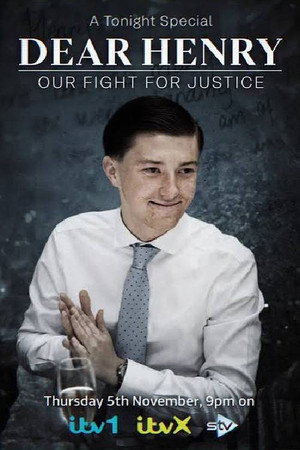


Henry Nowak’s family speak for the first time. In this documentary, they say they may have been “manipulated in their darkest hours” by both Hampshire and Isle of Wight Constabulary and the police watchdog in the months following his murder. Bodycam footage shows the officers arresting Henry as he lay dying on the ground. The family has spoken to ITV News’ UK Editor Paul Brand about the way Henry was treated and their own dealings with the police in the months after his death.

Tim Maynard
Director
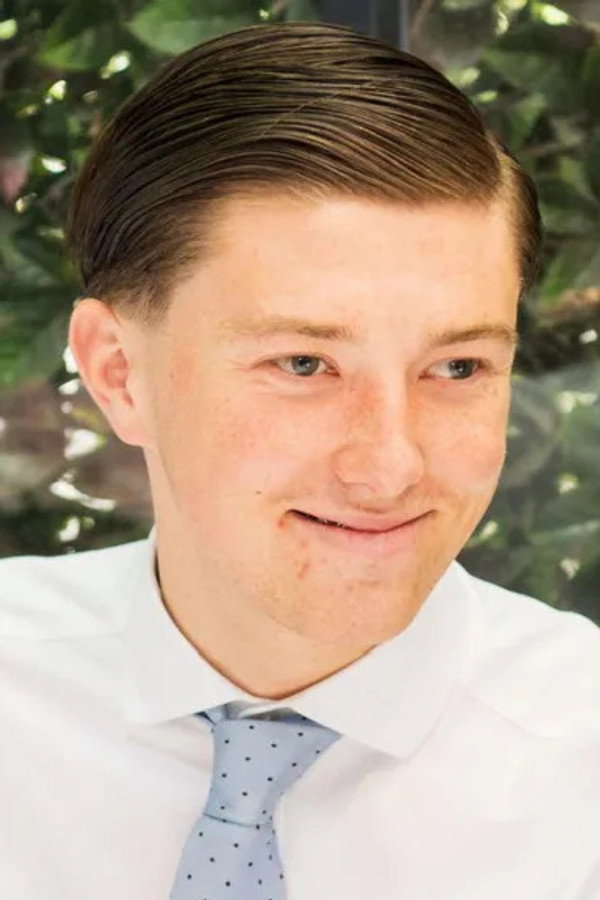
Henry Nowak
self (archive footage)

Vickrum Digwa
self (archive footage)
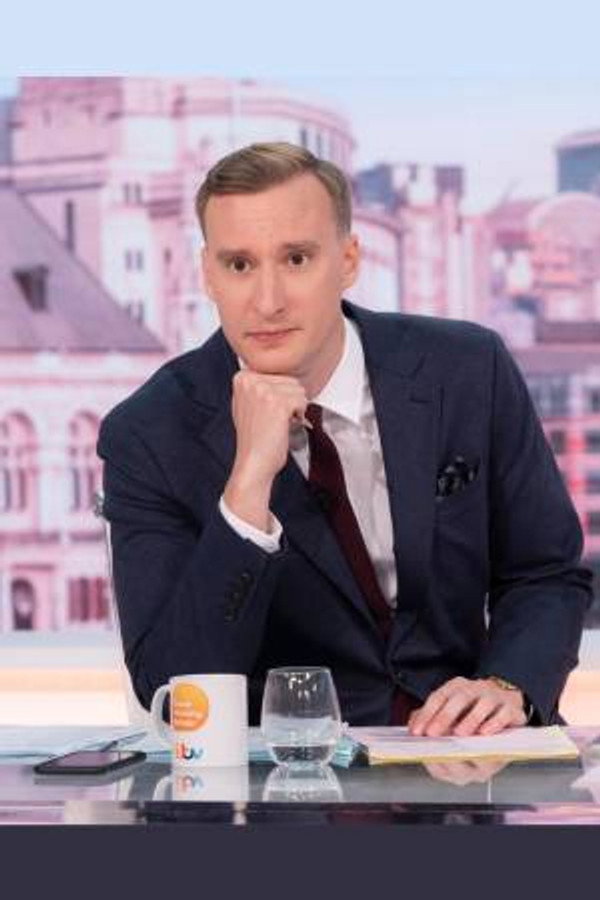
Paul Brand
self - Reporter & Presenter
Mark Nowak
Self
Katie Nowak
Self
Olivia Nowak
Self
Lucy Ross
Self
Gupreet Digwa
Self (archive footage)
Gurmel Singh
Self
Kiran Kaur
Self (archive footage)

Mary Nightingale
Self (archive footage)
Hanna Bergholm's 'Hatching' shows us that the modern version of the cardboard world trope is social media.
Growing up without a dad, I got a lot of my fatherly advice from the prototypes I saw on the silver screen. It’s these characters and films that gave me a glimpse into a dynamic I had never known but also made me realize that I was missing out. Here are my top 10 paternal films.
A film loosely based on the fairy tale Hansel and Gretel, with major twists to the original story.
In ‘The Owl House’ protagonist Luz Noceda stumbles across a portal to another dimension where magic exists, called The Boiling Isles.
Nick Rowland’s She Rides Shotgun is a blistering, blood-soaked road thriller that doubles as a bruised love story between a haunted ex-con (a career-best Taron Egerton) and the daughter he barely knows (astonishing newcomer Ana Sophia Heger). Fueled by white-knuckle chases, razor-tense shootouts, and quiet moments of aching tenderness, the film captures both the terror and fragile beauty of survival. It’s gritty, heartbreaking, and unforgettable—a father-daughter odyssey destined to leave audiences shaken.
With The Father, writer-director Florian Zeller- who wrote and developed the play upon which the film is based- pulls no punches as he confidently makes every effort to put the audience in the mind of someone whose grip on reality has all but vanished. It’s a dazzling testament to Zeller’s abilities as a director as he makes his first transition from stage to film appear as if he’s been working behind a camera his entire career. The dialogue he fashions with co-writer Christopher Hampton, along with the work of production designers Peter Francis and Cathy Featherstone, collectively makes the downward spiral of dementia startlingly tangible, doing so in a way that can be comprehended by everyone except the person it directly affects.