









Knives Out: Sharpest Writing of 2019?
Knives Out doesn’t just defy the whodunit narrative, it uses the weaknesses to its advantage. It’s well aware of the genre’s faults and tropes

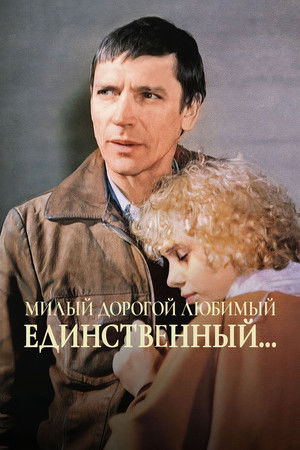


Vadim, a part-time dump truck driver in Leningrad, picks up an extremely young woman, along with a newborn baby. Vadim is forced to spend the rest of his day with Anna, helping her untangle herself from unpleasant, dramatic, and even tragic situations – and she and she alone is to blame for all of them. The baby, which Anna stole in order to make an impression on an estranged lover, is finally returned to its parents, but the problems that the theft caused remain.
Knives Out doesn’t just defy the whodunit narrative, it uses the weaknesses to its advantage. It’s well aware of the genre’s faults and tropes
I’m still trying to comprehend the psychological and moral implications of their fascination with each other, or why their almost written-in-the-stars depth of connection makes so much sense.
Elio could be seen as fantastic piece of representation, showing lonely children who feel ostracized that they are not alone. That is, unless you look behind the curtain.
The film exhibits a respect for the craft and an empathy for human tribulations that have historically been ignored.
I suppose you could argue that the story wasn’t what Director James Cameron was aiming for, it was the visuals. The spectacle of it all was the point, and it certainly shows.
It’s passionately protective of the women mentioned in the story or appearing on screen. Just like the article and the #MeToo movement, the film could help a trapped person find the courage to fight back.