"Carol": A Gorgeous LGBTQ+ Romance
The 1950s lesbian romance is stunning, emotional, restrained, and, simply put, one of the best movies I’ve ever seen depicting a woman-loving-woman (WLW) relationship.




What happens when a serial killer terrorizes the city of Kolkata by mirroring the mythological stories of Vishnu and his ten avatars in his killing methods? A prequel crossover of Baishe Srabon and Vinci Da.

Srijit Mukherji
Director


Prosenjit Chatterjee
Probir Roy Chowdhury

Anirban Bhattacharya
ACP Poddar

Jisshu Sengupta
Bishwaroop Bardhan

Jaya Ahsan
Moitreyee Ghatak

Animesh Bhaduri
Bishwaroop's father
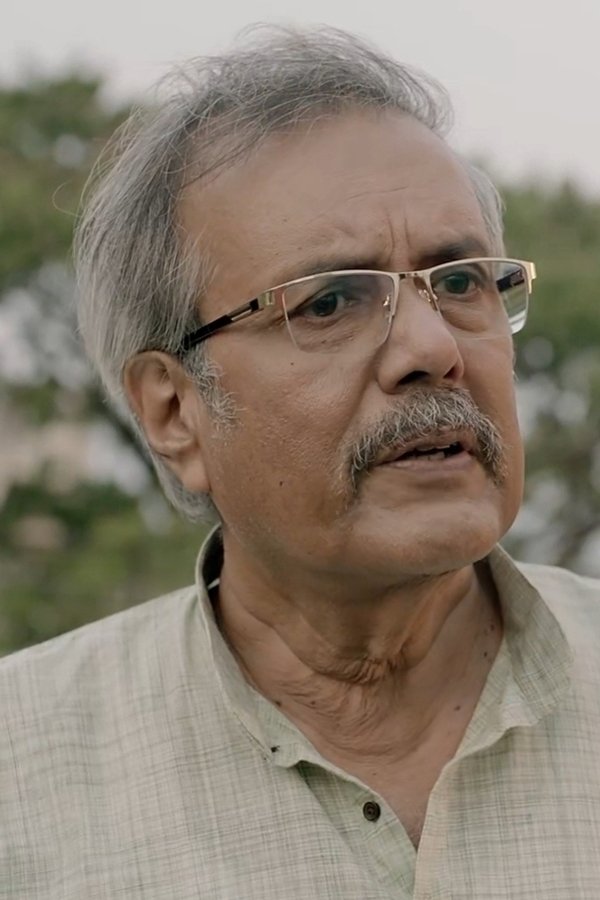
Rajat Ganguly
Commissioner of Police

Rajesh Sharma
Amit Kr. Srivastav

June Maliah
Probir's wife

Sumit Samaddar
Swapan / Kanai
Srijit Mukherji
Pet Shop Owner
Dulal Sarkar
Self (uncredited)
The 1950s lesbian romance is stunning, emotional, restrained, and, simply put, one of the best movies I’ve ever seen depicting a woman-loving-woman (WLW) relationship.
Jennifer Lopez leads the story as Zoe, a determined woman who opts for artificial insemination after a string of failed relationships. Lopez's portrayal adds depth and warmth to Zoe
Andor is an origin story where each side will do whatever it takes.
This MiamisFF Review is on the short film 'Rewind Thirty'. Created and released in the United States, this short film has an unclear message.
Season 1 of Love, Victor ended on a major cliffhanger: Victor came out to his parents. He said the words “I’m gay” for the first time. Now what? Season 2 answers the question: “What happens after coming out?”
Asha, the main character, is a biracial woman who discovers the power of magic wishing dust.