Not Much More than Magic in 'Maestro'
In 'Maestro,' we're left with an impression but not with an understanding of the main character.
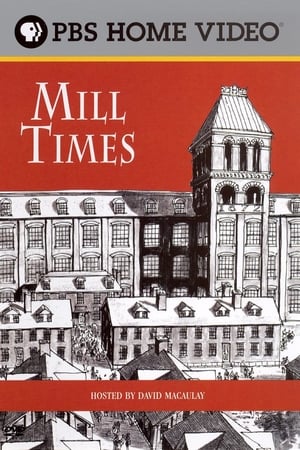


Travel back to late 18th century Lowell, MA, now infamous for its textile mills and its "Lowell Girls," the poor, barely-educated waifs who helped turn those mills into sweatshops.

Larry Klein
Director
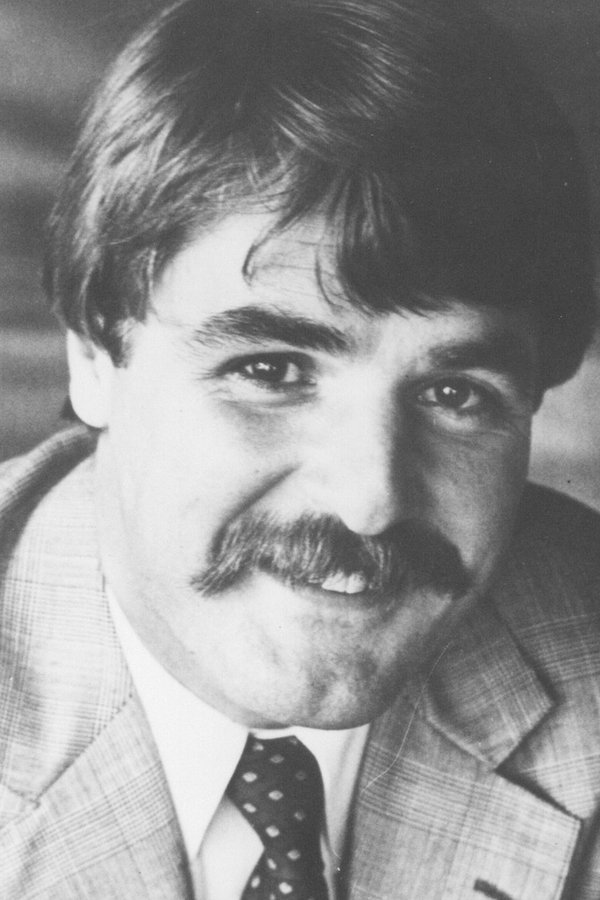
David Macaulay
Host
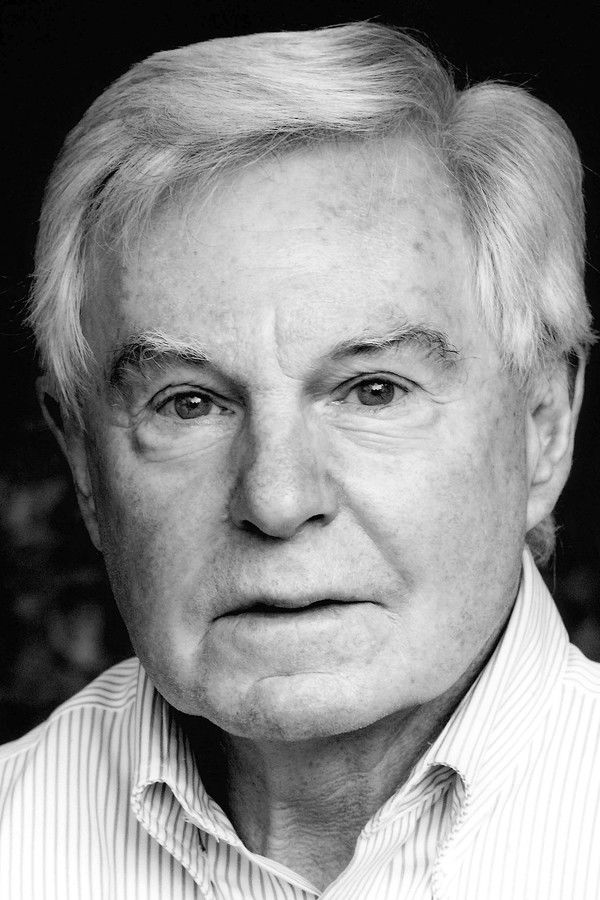
Derek Jacobi
Priam Huntington (voice)
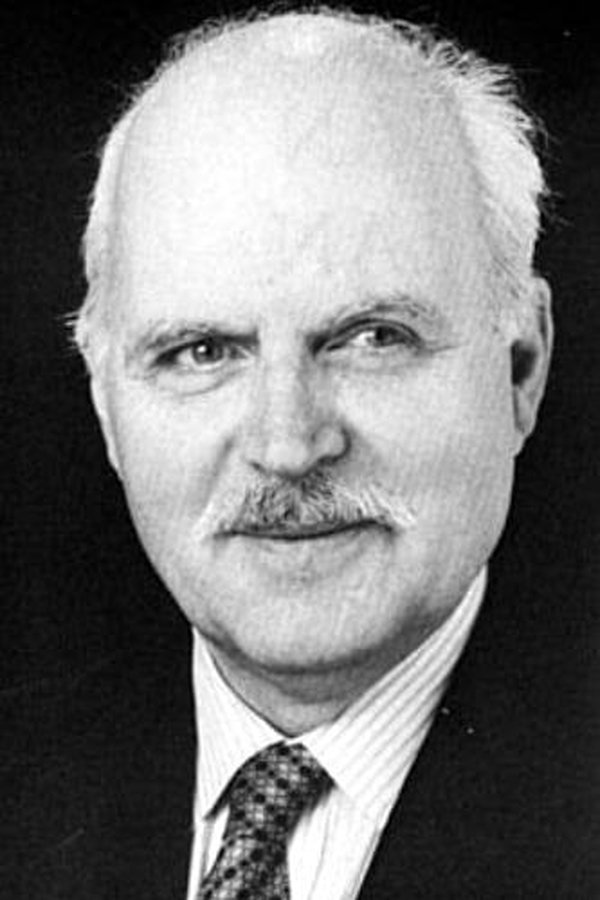
Richard Bebb
Josiah Gresham (voice)
Brook Butterworth
Elizabeth Gresham (voice)

Richard Clifford
Marcus Johnson (voice)
Sheri Ginsberg
Sara Methuen (voice)

Doreen Keogh
Mary Meuthuen (voice)

Dan Russell
Raymond (voice)

John Sessions
Shadrack Moore (voice)
R. Scott Thompson
Daniel Huntington (voice)
Mike Wilson
Zachary Moore (voice)
In 'Maestro,' we're left with an impression but not with an understanding of the main character.
Strangers in a crowd, exchanging glances, looking away, continually managing to run into each other then part ways, end up at the same diner, find they've rented the exact same vehicles, and are then made to travel together to learn once more whether they can both find genuine adoration and companionship again. This really does, in so many words, sum up the foundational gist of of this new feature film from writer Seth Reiss ("The Menu") and director Kogonada ("The Acolyte", "After Yang"). Yet, it's all only the set-up for the REAL wonder of everything that happens before, during, and in the aftermath of a magical, meaningful journey.
I came across Urchin by chance and decided to watch it because of the title. It made me think of the spiky animal that lives at the bottom of the ocean, and the old Dickensian novels, where an urchin was an orphaned, homeless child in shaggy and dirty clothes.
My review’s title is a nod to Shakespeare and is entirely deliberate. The original movie portrayed the high-end fashion world as a brutal arena of plotting, backstabbing, and betrayal, and most Shakespeare’s plays depend on these plot devices. The Devil Wears Prada 2 uses the same formula, and is, plot-wise, almost identical. Once again, we plunge into the cutthroat world of Runway, where to get and stay at the top, you must let go of your principles and moral sense. The only thing different is that due to the digital era, Runway is not a print magazine anymore, but one that is running online.
A family drama is woven with quiet yet powerful forces of words and nature.