"Nightborn" and Why We Need More Feminist Horror
Coralie Fargeat once said that “Being a woman is body horror,” and when you think about the ways we are taught to experience our own bodies, it becomes almost impossible to argue with her.
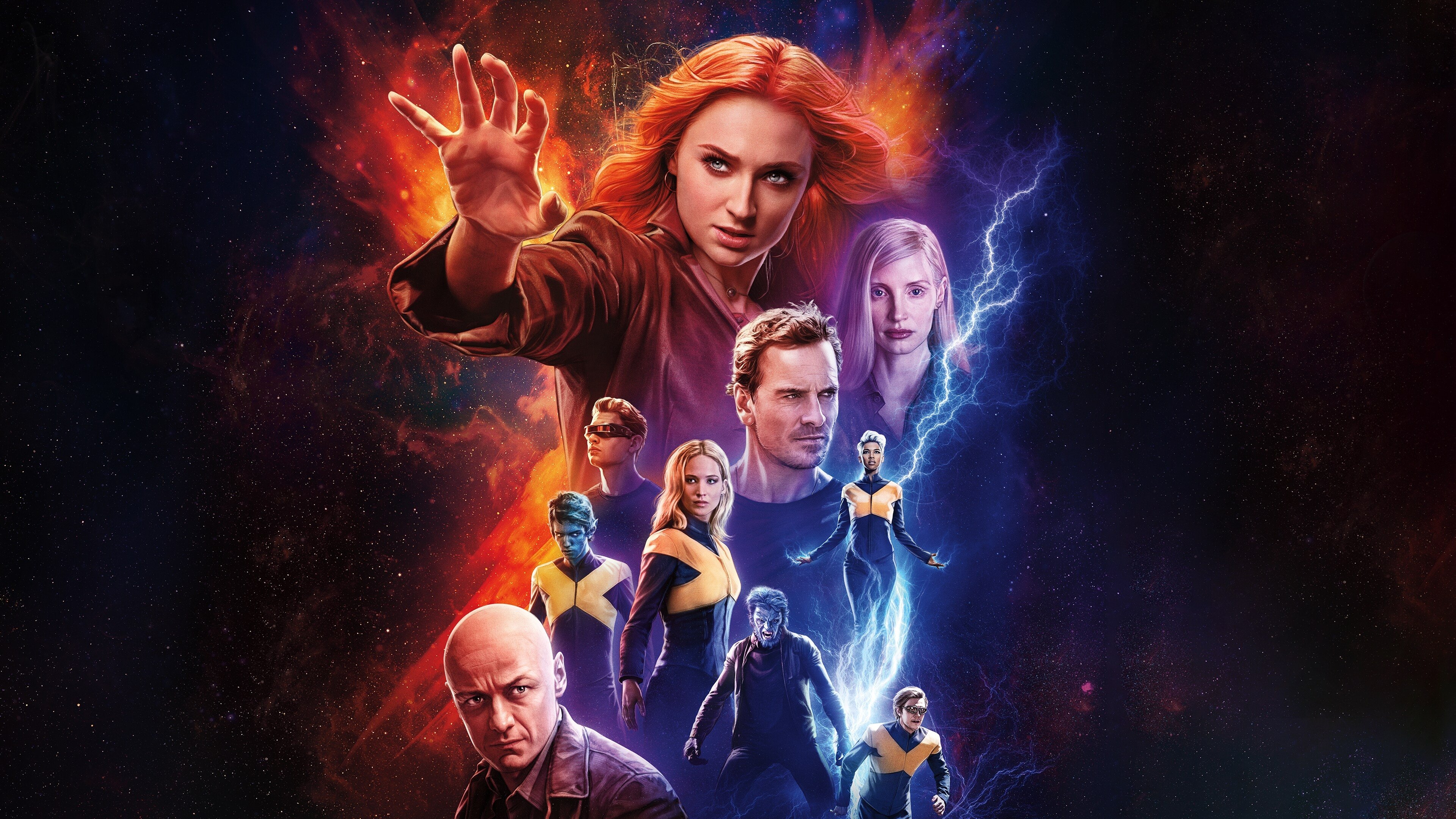
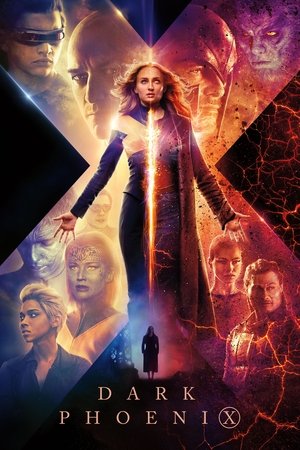


The final installment in the main X-Men storyline is Dark Phoenix. The film is a direct sequel to 2016’s X-Men Apocalypse and follows the same group of mutants. The story takes place in 1992, and audiences are quickly immersed in an X-Men mission in space. Now, I know what you’re thinking, “Didn’t the Avengers do this already? And weren’t they unsuccessful?” Yeah, they were. However, this is a completely different franchise, so there’s no need to worry about that. Plus, they’re mutants — they can handle anything … mostly.
While up in space, Jean Grey (Sophie Turner) is struck by an energy force, a strong one at that. Everyone expected her to die — no, they knew she should’ve died. Miraculously, Jean survives the near-death experience, absorbing the energy and saving the craft carrying the team. Hooray! Mutants are the heroes, and everyone appreciates them!
Not for long.
As a result of consuming the energy, Jean’s powers become difficult to control; she is a loose cannon filled with unrelenting rage towards her X-Men family. She wreaks havoc and ultimately kills someone close to her. Thus, the mutant species are back to being hated by the rest of the world. Oh, what could’ve been.

The X-Men face their most formidable and powerful foe when one of their own, Jean Grey, starts to spiral out of control. During a rescue mission in outer space, Jean is nearly killed when she's hit by a mysterious cosmic force. Once she returns home, this force not only makes her infinitely more powerful, but far more unstable. The X-Men must now band together to save her soul and battle aliens that want to use Grey's new abilities to rule the galaxy.
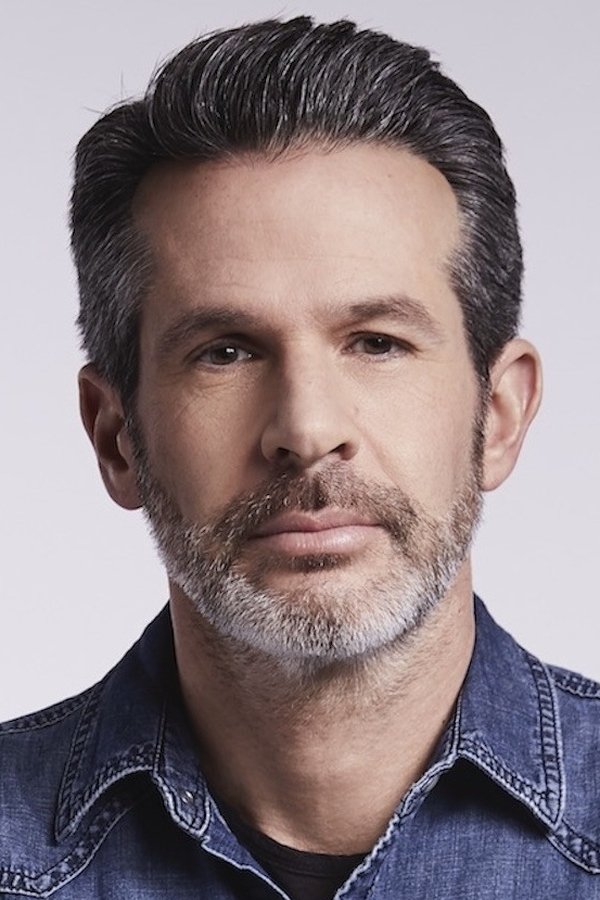
Simon Kinberg
Director


Sophie Turner
Jean Grey / Dark Phoenix

James McAvoy
Charles Xavier / Professor X
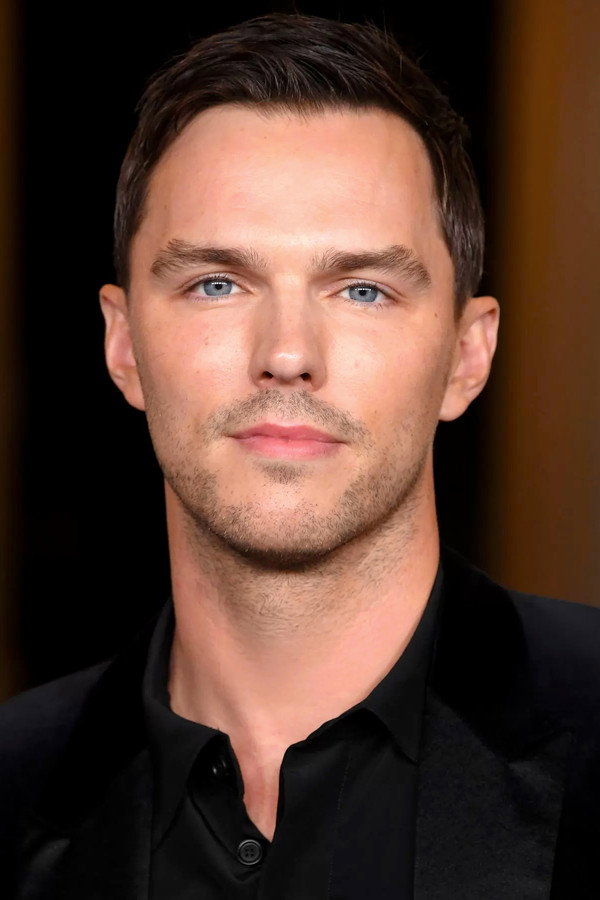
Nicholas Hoult
Hank McCoy / Beast

Tye Sheridan
Scott Summers / Cyclops
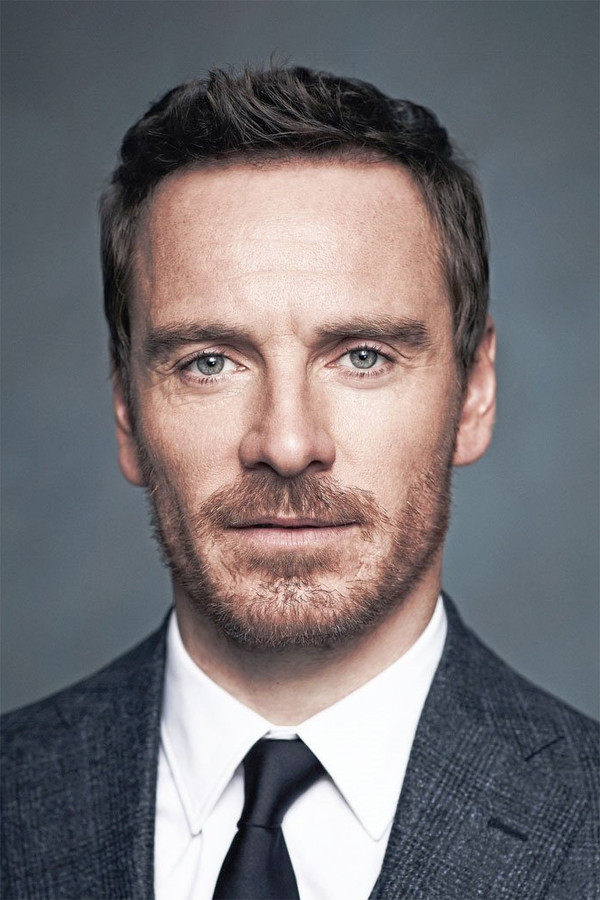
Michael Fassbender
Erik Lensherr / Magneto

Alexandra Shipp
Ororo Munroe / Storm

Evan Peters
Peter Maximoff / Quicksilver

Jessica Chastain
Vuk

Kodi Smit-McPhee
Kurt Wagner / Nightcrawler

Jennifer Lawrence
Raven Darkholme / Mystique
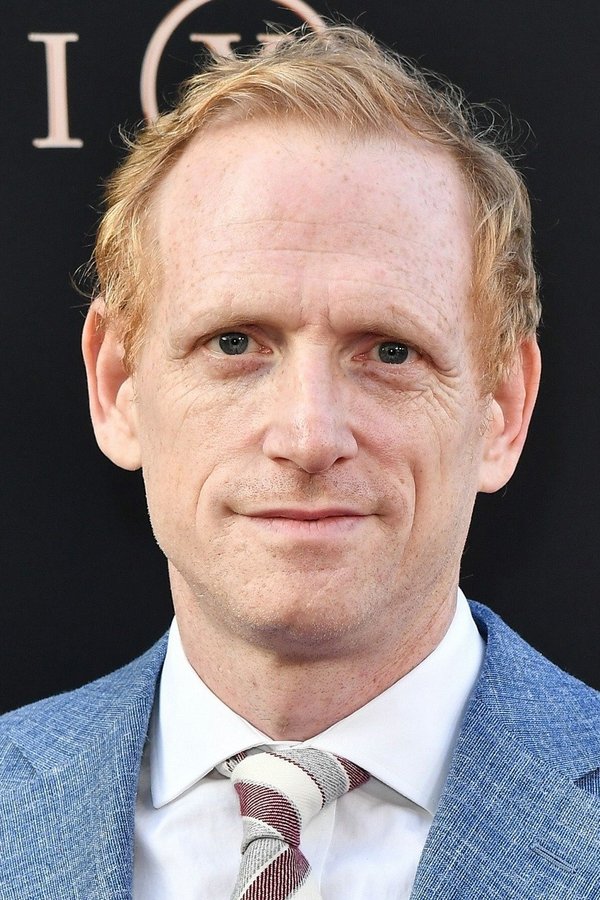
Scott Shepherd
Dr. John Grey
Coralie Fargeat once said that “Being a woman is body horror,” and when you think about the ways we are taught to experience our own bodies, it becomes almost impossible to argue with her.
'Riders of Justice' perfectly depicts some masculinity problems present in our society. Moreover, it talks about how hard is to lose someone and how different people deal with the situation.
Even now, the well-established Snyder has yet to learn this as he continues to allow misguided decisions to convince him that his projects hold the same kind of intelligent and emotional weight. Army of the Dead is a tonal mess, one that never decides what it’s trying to be, and, for all we know, doesn’t want to decide.
Critical Incident is worthy of a weekend binge, keeping you guessing right up until the end.
When it comes down to it, The English explores what happens when power is unchecked and how those who seem powerless, have more strength than most through their convictions for justice.