“Uncle Frank”: Acceptance and Queer Representation
Growing up with a lot of siblings, young Beth felt ignored her immediate family. Uncle Frank made her feel seen, heard, and accepted.




A year after the mysterious disappearance of an 8 year-old girl, we meet her grieving family as they return home from her memorial service in their small town. Later that evening, strange lights appear in the nearby forest and the family is exposed to an inexplicably strange phenomenon that rattles them to the core. The origin of the lights appear to be visitors from another world that seemingly terrorize the family. What they don't realize is that these 'beings' will lead the family to the truth behind the little girl's disturbing disappearance.
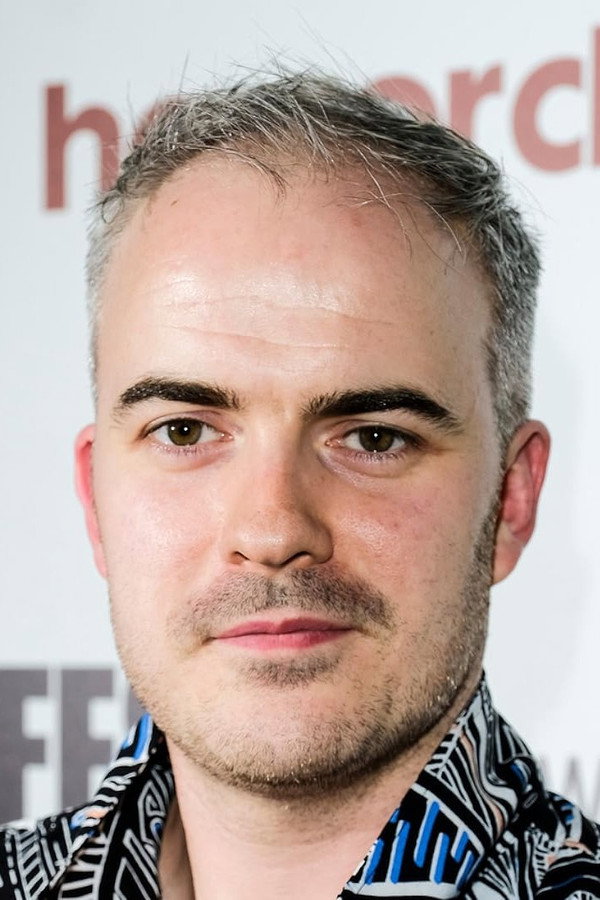
Carl Strathie
Director


Laura Fraser
Olivia Anderson

Mel Raido
Ray Anderson

Sid Phoenix
Billy Anderson

Grant Masters
Kenneth Burroughs

Spike White
Noah Anderson

Alice Lowe
Arlene Burroughs

Vincent Regan
Morgan Anderson

Nicholas Pinnock
Sheriff Reese Jordan
Bridget Doherty
Maisie Anderson

Sean Knopp
Deputy Miles

Kate Coogan
Deputy Doyle
Growing up with a lot of siblings, young Beth felt ignored her immediate family. Uncle Frank made her feel seen, heard, and accepted.
"Clifford the Big Red Dog" retells the adventures of Emily and her striking puppy to highlight the joy of being different and inspire another wave of young fans.
Now that we're officially halfway through Hispanic Heritage Month, let's look ahead at movies featuring Hispanic & Latine representation through the rest of 2021.
The Resort has an excellent climax surrounded by disappointments. Somehow, at a mere 75 minutes, this movie still manages to be 70 minutes too long.
Like all modern societal phenomenons, it started with a meme. This one highlighted that when there’s a mom in a Pixar film, she is almost without fail given striking curves that highlight the bottom half of her body following a minuscule waist. From Elastigirl to the skeletal Mama Imelda, the animation giant’s artists seem to have a fixation on making exaggeratedly curvy maternal characters.
I came across Urchin by chance and decided to watch it because of the title. It made me think of the spiky animal that lives at the bottom of the ocean, and the old Dickensian novels, where an urchin was an orphaned, homeless child in shaggy and dirty clothes.