





Growing Fangs: How "Ginger Snaps" Ties Puberty to Werewolves
John Fawcett’s "Ginger Snaps" intertwines the lore of the werewolf to the hellish experience of a young girl going through puberty.

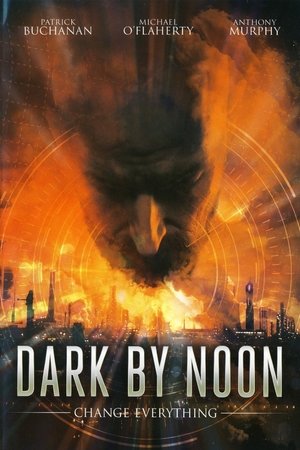


Rez lost his wife sometime in the past, now he is a man abandoned by society, trying to survive, and provide for his daughter. He possesses a gift: the perfect photographic memory, but having perfect recall isn't all it's cracked up to be. He finds himself involved with dangerous people from his past who persuade him into testing their stolen time machine "Titus" that has the ability to send someone hours into the future. When he leaps forward in time and witnesses a nuclear explosion, he returns to his own time and has only eight hours to discover the cause and save the city from destruction.
John Fawcett’s "Ginger Snaps" intertwines the lore of the werewolf to the hellish experience of a young girl going through puberty.
(Disclaimer: Harmful Language) In celebration of Pride Month, Father's Day, and father figures (and whoever supports you), I revisit Moonlight's brief but spectacular character, Juan. With overarching themes tied to masculinity, I reexamine his intimacy with Little.
"Rodgers' & Hammerstein's Cinderella" wasn’t just a fairytale, it's a Black girl's fairytale. It was a fantasy world where the undeniable beauty of Black girls and Women was celebrated and beloved.
Why did Māhū, a term once respected in Hawaiian culture, become so controversial?
Honey Don't! is a chaotic queer noir that's part detective story, part midnight movie madness. Margaret Qualley is fantastic as the wise-cracking private eye Honey, with Aubrey Plaza and Chris Evans adding their own dry humor to the mix. The mystery itself is pretty loose, but the film makes up for it with crackling sexual tension, weird side characters, and razor-sharp dialogue. It's messy and uneven, but in the best possible way.
Americans love the British monarchy. This may seem confusing because only a few short hundred years ago they were our worst enemies, and every year we celebrate our independence from them. The Crown humanizes the monarchy, which might explain its popularity.