



‘Kathak: Dancing With Taboos’ Film Festival Review: A Story of Passion and Perseverance
Eloquent and informative, Hajera Sheikh’s documentary Kathak: Dancing With Taboos tells a story of love for one’s culture and perseverance through adversity.

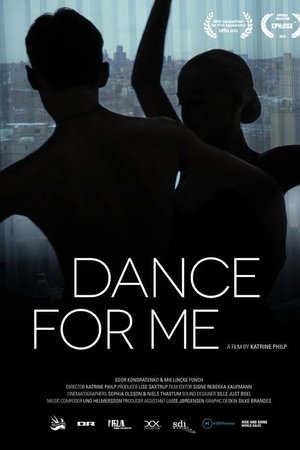
14-year-old Mie is an elite dancer. When her partner stops dancing, her family decides to search for a new partner abroad. Russian Egor finds out that his mother has set up a try out for him, and if this turns out well, Egor will travel to Denmark. Since May 2011, he has lived with Mie and her parents in Denmark, where everything indicates that they are the perfect match on the dance floor. In Mie's home, however, problems are piling up. The family has suddenly gained a new member, and had it not been for the growing success, Egor would probably have been put on a plane back to his mum by now.
Eloquent and informative, Hajera Sheikh’s documentary Kathak: Dancing With Taboos tells a story of love for one’s culture and perseverance through adversity.
Stylish, slow, and somewhat standoffish, Human Resource examines corporate life from the perspective of a female HR employee as she interviews job candidates while also deciding whether to keep her newly discovered pregnancy.
Eventually, “Hobbs and Shaw” introduces us to a Samoan community. Clearly, Johnson’s Samoan roots are on display. Quite frankly, I found this section of the film very intriguing. The “Fast and Furious” franchise has a solid track record in the diversity department
Nick Rowland’s She Rides Shotgun is a blistering, blood-soaked road thriller that doubles as a bruised love story between a haunted ex-con (a career-best Taron Egerton) and the daughter he barely knows (astonishing newcomer Ana Sophia Heger). Fueled by white-knuckle chases, razor-tense shootouts, and quiet moments of aching tenderness, the film captures both the terror and fragile beauty of survival. It’s gritty, heartbreaking, and unforgettable—a father-daughter odyssey destined to leave audiences shaken.
Juno is extremely funny, very well-written, and contains great performances. The film is also about a very important topic, one that is extremely relevant now: women’s reproductive rights. Is this Oscar-winning film spreading a pro-life or pro-choice message to its audience?
One of the reasons that people with albinism have a difficult time being seen and represented in media is probably because there is a small percentage of them.