


The Wedding Banquet (2025): A Window into Modern Day Queer Relationships
In this remake of the 1993 film of the same name, The Wedding Banquet follows the life of two queer couples as they struggle with life-changing decisions.
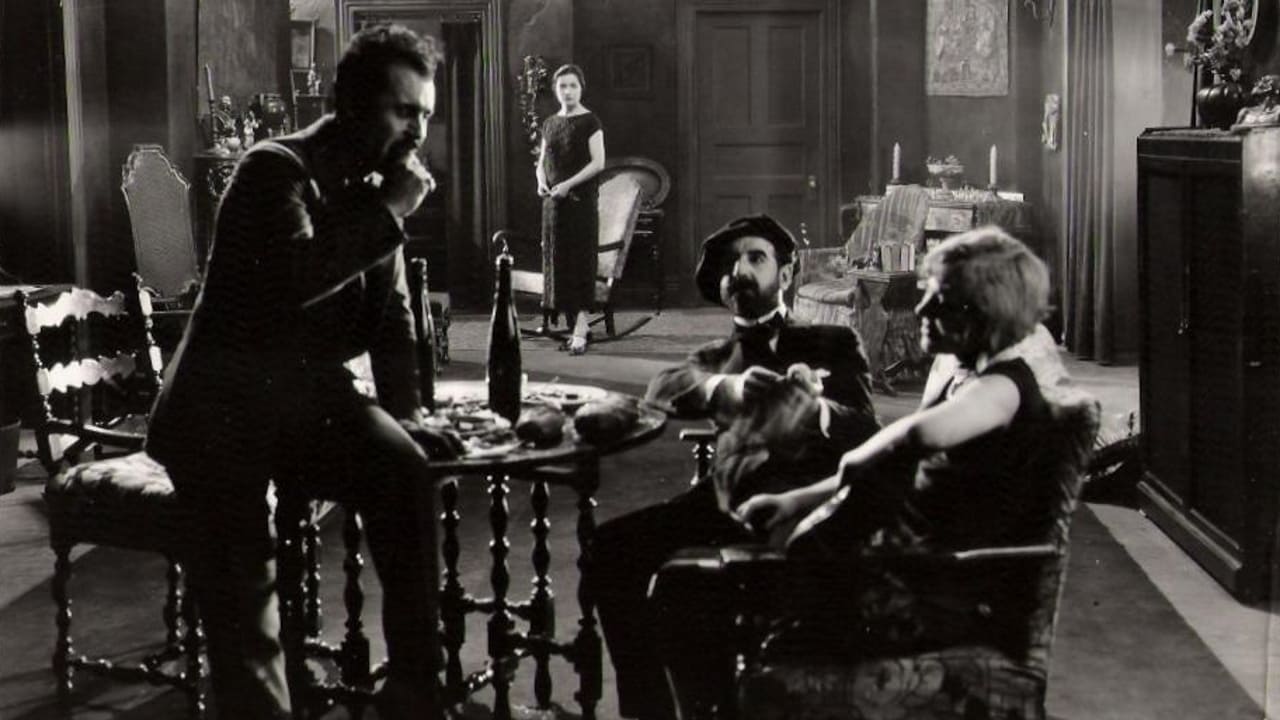
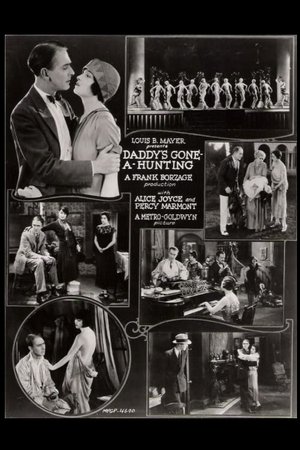


Julian (Percy Marmont) is a poor artist who lives with wife Edith (Alice Joyce) and their newborn baby in Harlem. Struggling to make ends meet, he foregoes his artistic calling and draws for magazines. Reaching his limits, Julian convinces his wife he could reach higher grounds if he were to go to Paris. He moves to Paris while his Edith works at a shop on Fifth Avenue. Each of their lives evolves differently—Edith is courted by a wealthy suitor whom she ignores while pining for her husband, while Julian fails to meet his goals in Paris, returning defeated three years later. The meeting highlight how different their routes have been.
In this remake of the 1993 film of the same name, The Wedding Banquet follows the life of two queer couples as they struggle with life-changing decisions.
Documented human suffering is never easy to view or read about and is understandably triggering for many people, but it can be educational, and education is a key to change. An overwhelming amount queer people worldwide (and in my own country) have it far worse than I could imagine, and documentaries such as Welcome to Chechnya bring issues to light that certain groups of people would never see.
After the untimely death of his brother by way of an ambush in Kandahar, Afghanistan, the protagonist, ‘81’(Alan Ritchson) unsuccessfully makes several attempts to become an Army Ranger. On his last mission to complete the Ranger selection process he and his squad encounter an otherworldly ‘soldier’.
A short film that begins with the language of romance but slowly reveals something far more unsettling beneath the surface.
Movies also have the ability to make the audience think deeper about an issue that plagues society. "Blindspotting" does that without shying away from the intense reality of police brutality and racial discrimination.
Many call 'Tragedy Girls' a modern-day 'Heathers', and I do see the resemblance. The film asks the same question that all teenagers suffer with: who am I? Well, the movie answers this — you are your online presence.