




How The Suicide Squad's Polka-Dot Man Helped My Anxiety
The Suicide Squad's Polka-Dot Man aka Abner Krill, played by David Dastmalchian, helped me come to terms with my own issues of anxiety.
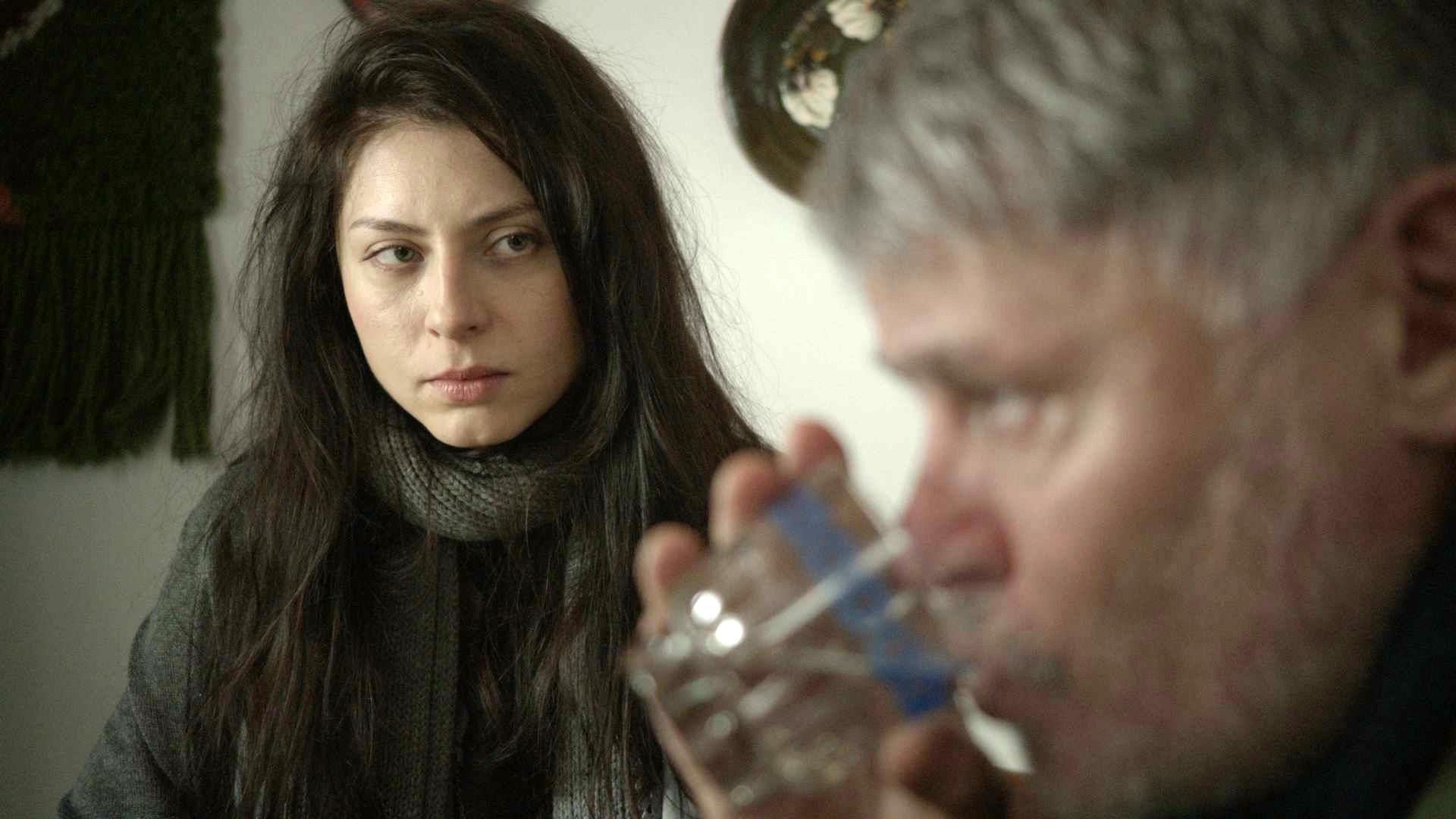
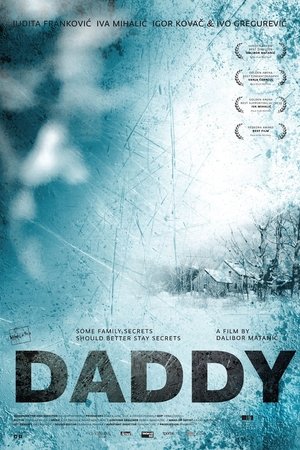


A girl talks her boyfriend and her sister into traveling to the Lika backwoods. Their father, who abandoned the family years ago, lives there. Having found out that he is ill, this is the daughter’s last chance to have a talk with her father about everything that happened in the past. In the isolated horizons of Lika, the once deeply hidden dark family secrets start being revealed...
The Suicide Squad's Polka-Dot Man aka Abner Krill, played by David Dastmalchian, helped me come to terms with my own issues of anxiety.
At its heart, it’s a fond tribute to an influential artist and thus one that can speak to everyone’s inner artist, even if it lacks the sincere commentary you may wish to see.
This indie short documentary archived the story of a staple rock band as well as an essential part of local history.
On top of the phenomenal acting, and great dialogue between the two characters, the cinematography was ravishing! The sound was outstanding! The production design was simple, yet intrinsic. The minimalistic approach in the Malibu beach house represented how little they really have going on in their relationship. The storyline may have been much simpler than "Who's Afraid of Virginia Wolf," but all the more insightful, and much more animalistic at its core.
Given that Charlie Cox is having a moment with the rise in interest in 'Daredevil,' let's return to one of his earlier movies: the fantasy romance 'Stardust' where he shines amidst a slew of characters, from a stereotypical witch to a crossdressing pirate.
The plot could’ve really been interesting if the elements of lycanthropy was integrated with perhaps the struggle of identity of being LGBTQ+. It's an experience for so many that as they’re starting to realizing their true selves, they feel like a monster, especially if they come from unsupportive homes or communities. Instead, the horror and transformation elements seem thrown in without contemplation of how this could deepen the narrative.