







'Hatching' - Social Media as the Modern Cardboard World
Hanna Bergholm's 'Hatching' shows us that the modern version of the cardboard world trope is social media.

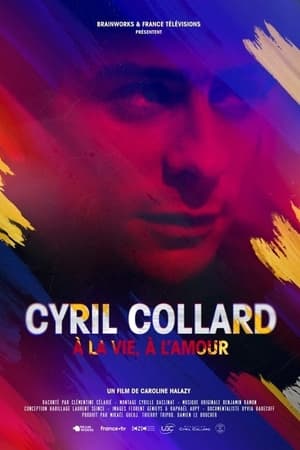
It's a tale of two shocks. 1992, Les Nuits fauves hits theaters. 1993, Cyril Collard dies of AIDS. The artist and his film caused a scandal in 90s France, which suddenly realized the violence of the epidemic and the upheaval it would bring for its children... Collard's work still resonates today, through its depiction of the rage of life and sexual freedom, and the courage it takes to face up to the inevitability of the virus. This documentary is supported by powerful archive footage, allowing us to rediscover the destiny of a striking artist. It is also based on the testimonies of those who knew him and agreed to talk about who he was, the driving forces behind his rebellion and his way of creating. The film is also punctuated by readings from some of the thousands of letters sent to Cyril Collard, revealing what it was about his work that struck a chord with viewers, especially younger ones.
Hanna Bergholm's 'Hatching' shows us that the modern version of the cardboard world trope is social media.
Dracula evolved from a person to a monster and then from a monster to a person.
In all honesty, “Black and Blue” is a satisfying experience, complete with solid craftsmanship. With the help of cinematographer Dante Spinotti, Deon Taylor (the director) creates a murky, lived in atmosphere.
“To be universal, you have to get specific”: while the film does not attempt to provoke discussions about queerness or race, those watching closely may find something resonant in Sorrentino’s love letter to the Naples of his youth.