Light Language in Casablanca
What makes the lighting in Casablanca even more impressive is how it reflects the emotional states of the characters without needing explicit dialogue.
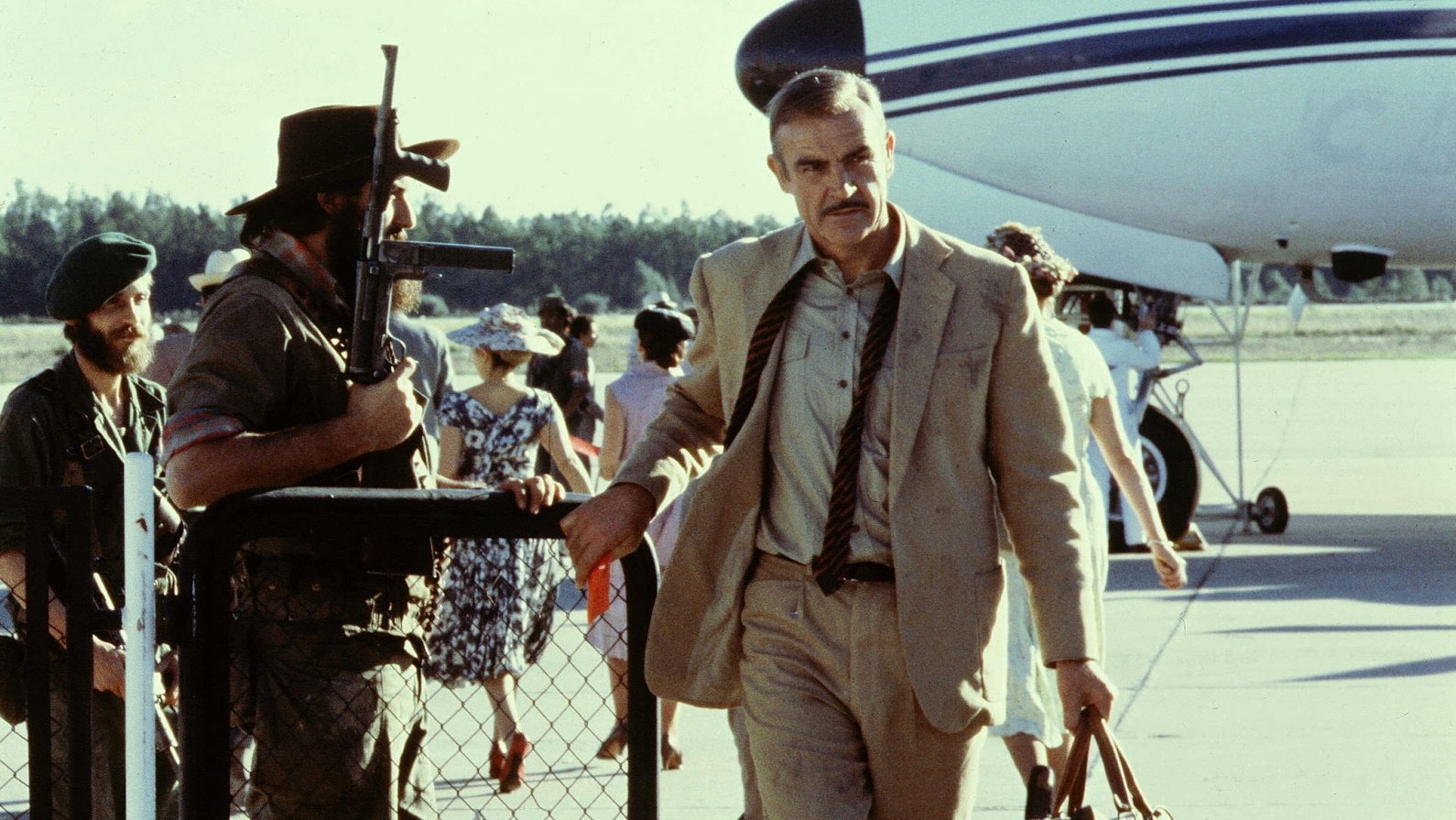
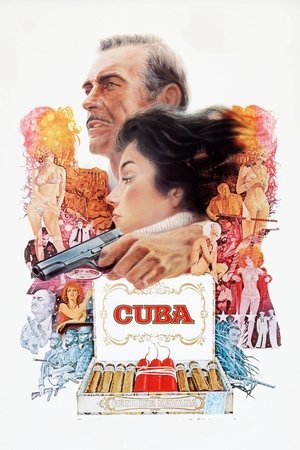


A British mercenary arrives in pre-Revolution Cuba to help train the corrupt General Batista's army against Castro's guerrillas while he also romances a former lover now married to an unscrupulous plantation owner.

Richard Lester
Director


Sean Connery
Maj. Robert Dapes
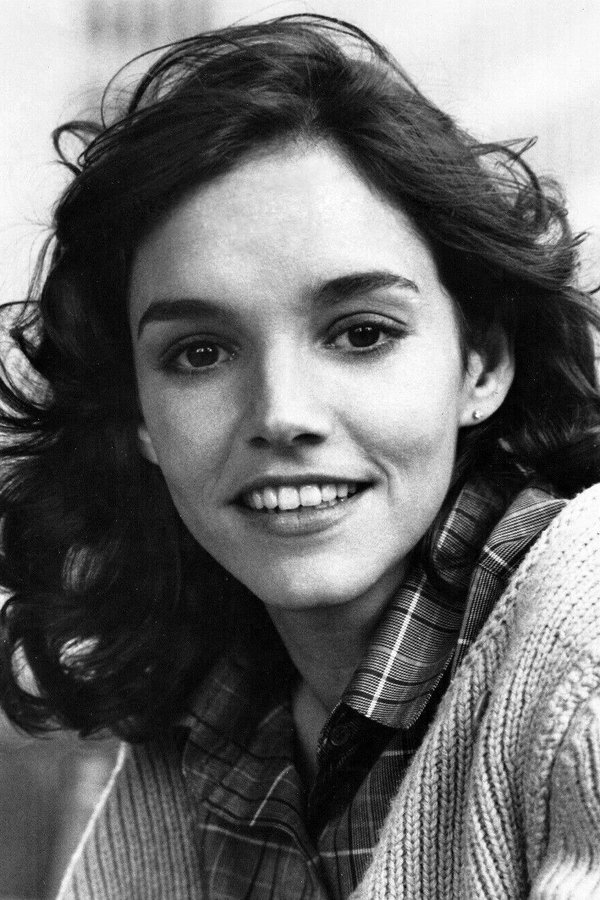
Brooke Adams
Alexandra Lopez de Pulido
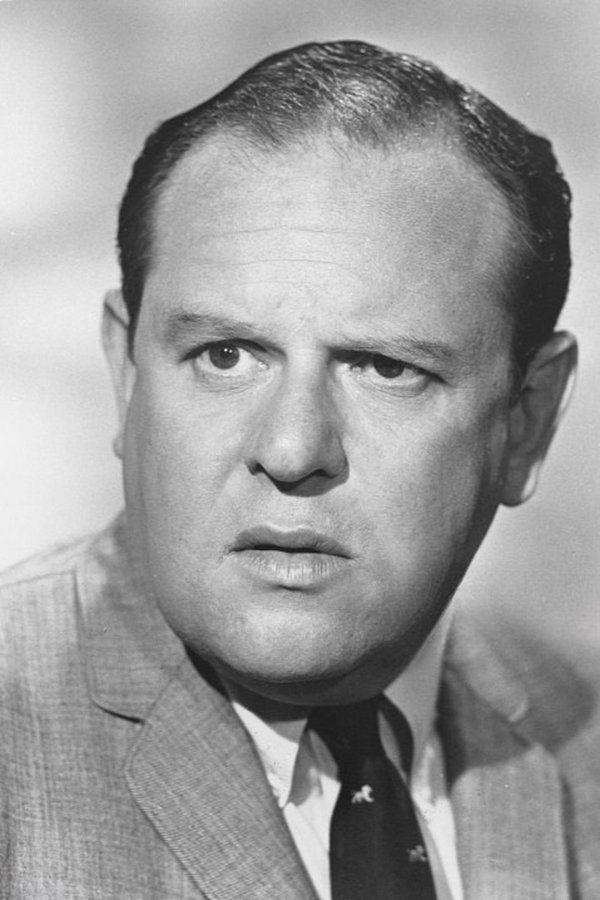
Jack Weston
Larry Gutman
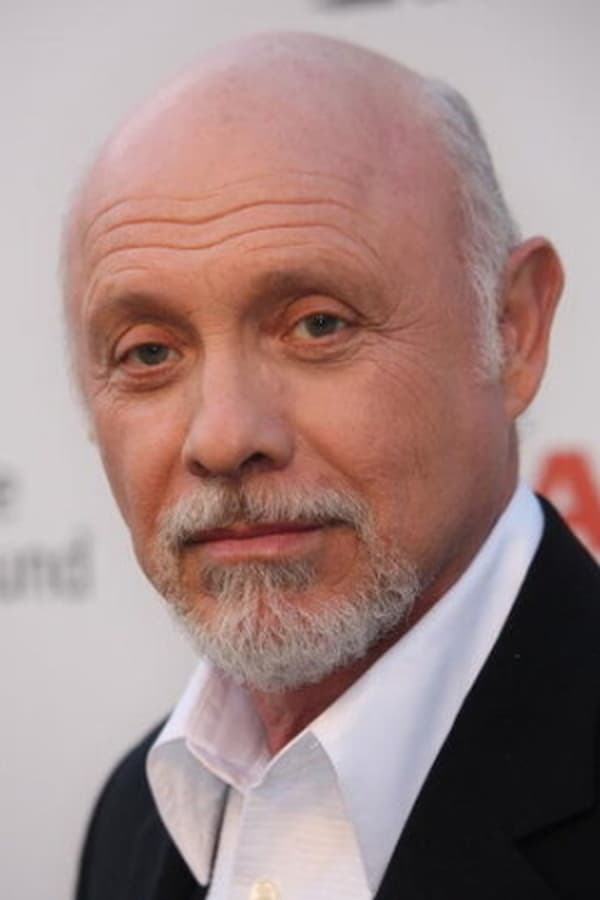
Héctor Elizondo
Capt. Raphael Ramirez
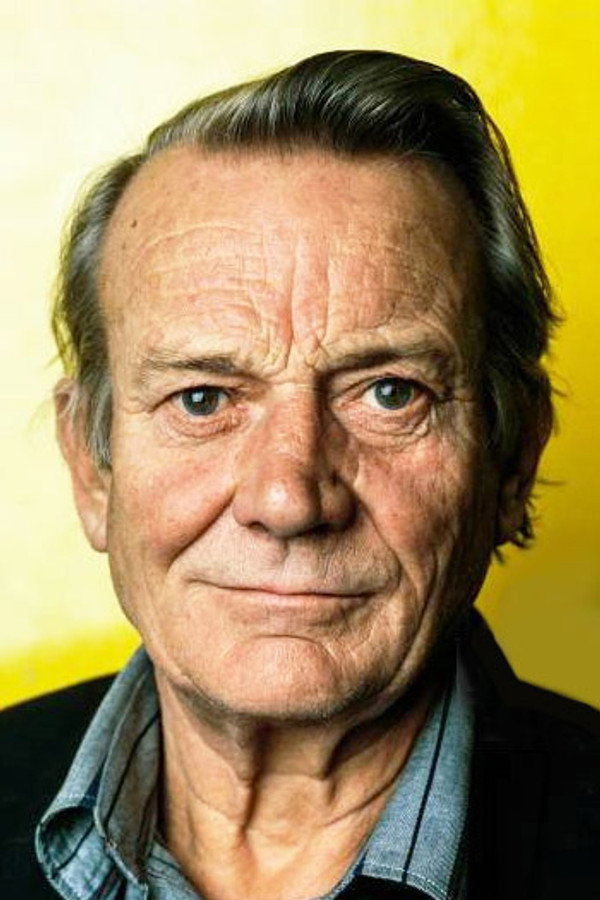
Denholm Elliott
Donald Skinner
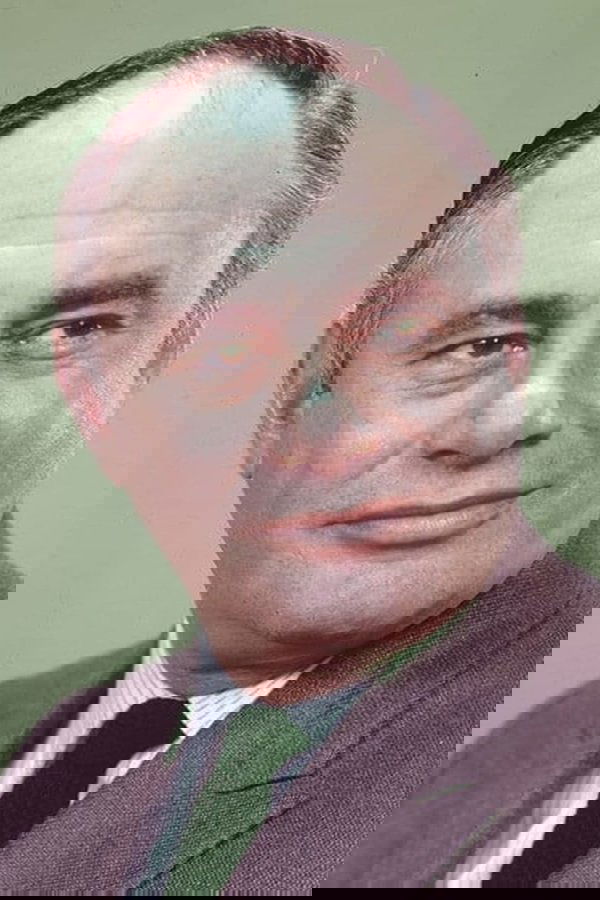
Martin Balsam
Gen. Bello
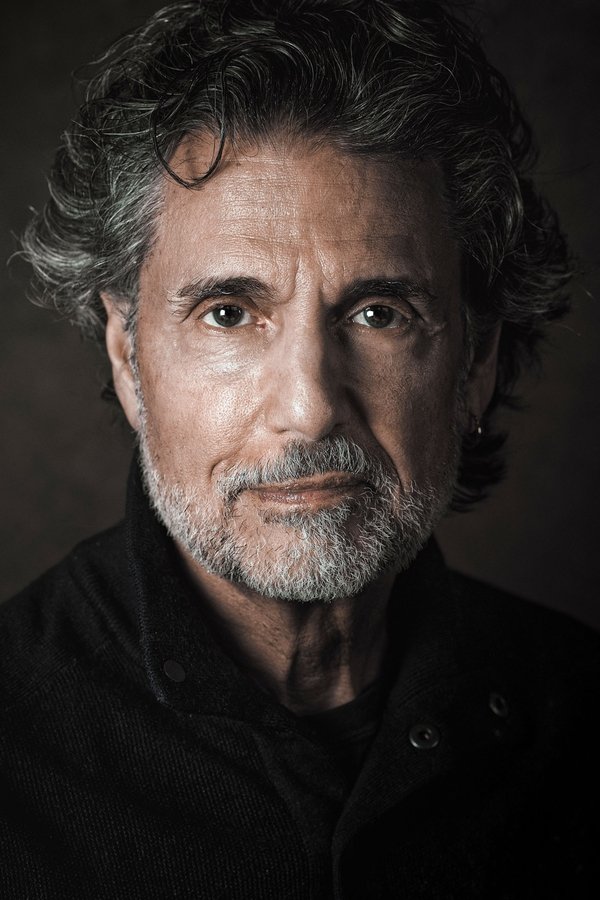
Chris Sarandon
Juan Pulido
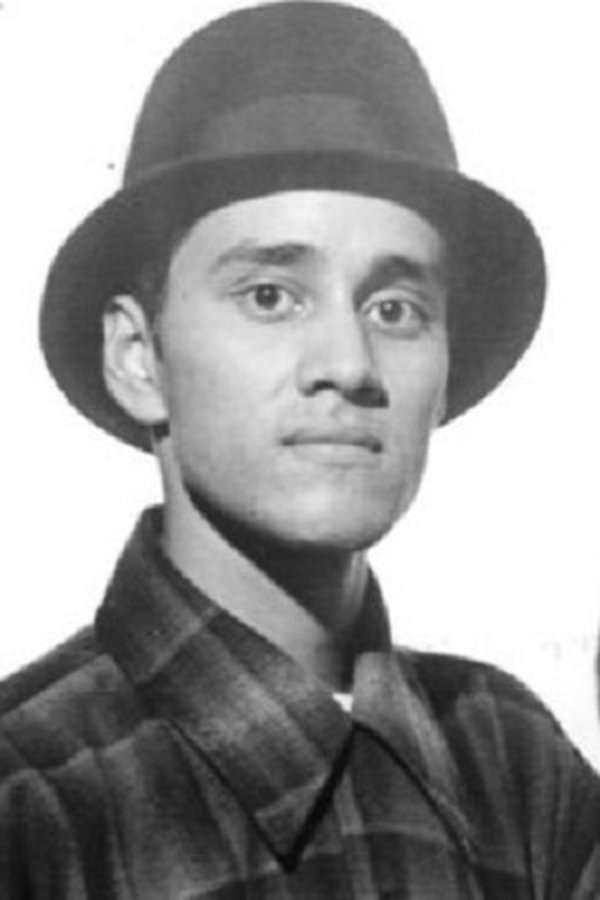
Danny De La Paz
Julio Mederos
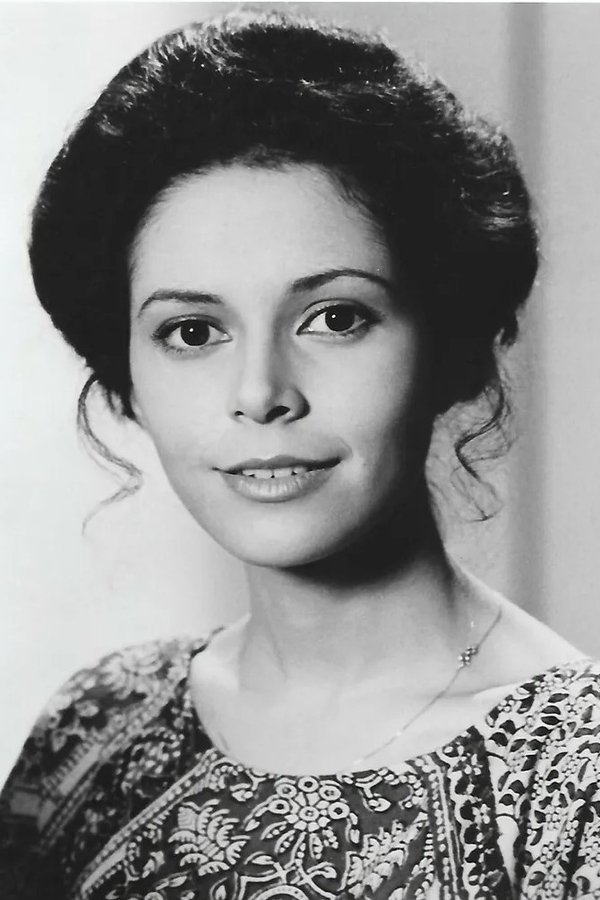
Lonette McKee
Therese Mederos
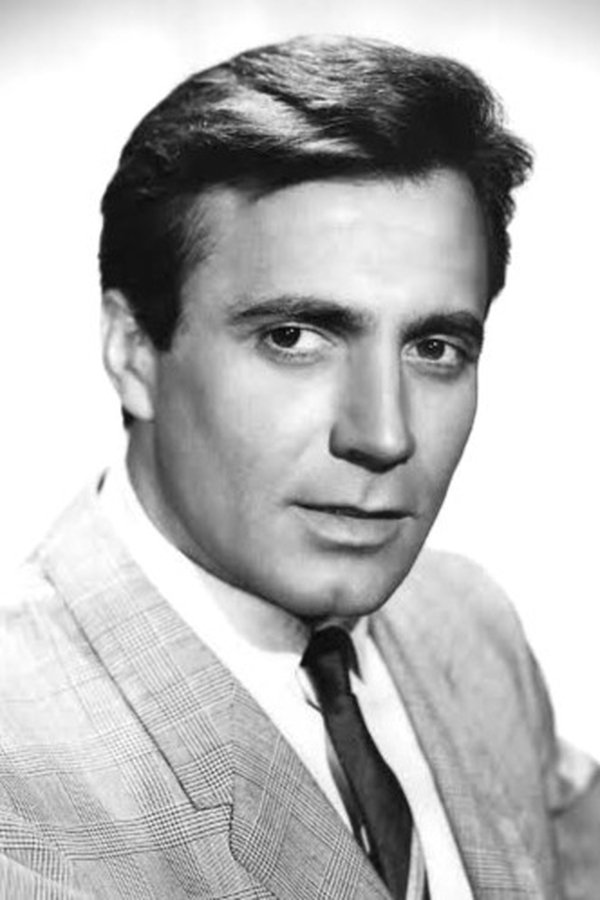
Alejandro Rey
Faustino
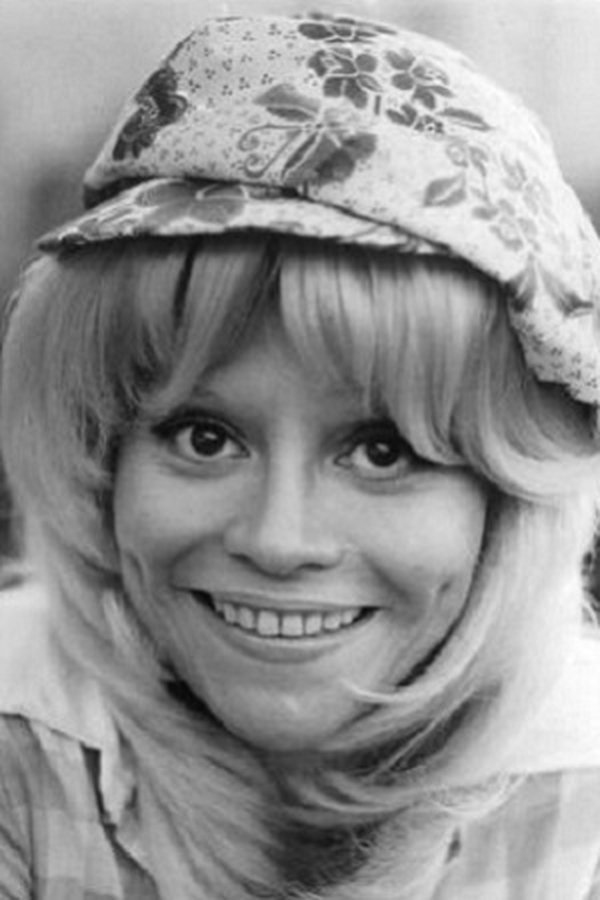
Louisa Moritz
Miss Wonderly
What makes the lighting in Casablanca even more impressive is how it reflects the emotional states of the characters without needing explicit dialogue.
The social issues The Half of it takes on are handled well, between the antagonization brought on to Ellie for her race and the conflict that arises from her being gay. Both aspects of her character are built up over the course of the film and don’t seem abrupt or rushed. The film shows racism towards Ellie and her and father in varying levels, from having her schoolmates specifically address her as "Chinese girl” to the fore mentioned way her Dad is treated due to language barriers. The same can be said about Ellie being a lesbian. While she never truly “comes out” in the narrative, that does not undermine her journey of self-discovery from being meaningful. These ideas aren’t thrust upon the viewer in a preachy manor, the scenarios that occur feel believable given the rural setting. The film presents watchers with problems whom those like Ellie may face, and leaves us to sit with them and reflect.
Released on Netflix this last July, Mile End Kicks, catches the eyes of those who are wanting to escape the disasters of 2026 and visit the era of peak Tumblr, unforgettable music hits, and iconic fashion trends—-of 2011. This coming-of-age film directed by Chandler Levack succeeds at portraying an accurate representation of what life was like in the early 2010’s.
Viola Davis is an EGOT pioneer and trailblazer advocating for diversity and opportunity in Hollywood. See the legendary actresses' rise to critical acclaim.
When it comes the horror genre, I am VERY hard to please or impress, much less scare. Coming from a current mindset of appreciation for chilling, unsettling, tension-inducing efforts such as "Hereditary", "The Conjuring" (ONLY the first one to date, mind you), "Lights Out", "The Babadook", "Midsommar", "Talk To Me", "Oddity", "Bring Her Back", and the like
How closely does an actor need to resemble a character or historical figure in order to portray them on the Silver Screen? Seems to depend on color.