








Writing Great Villains: Why They Shouldn't Be Sympathetic
Writing great villains is about striking a balance between charming and evil, so we love them but also love to see them lose.
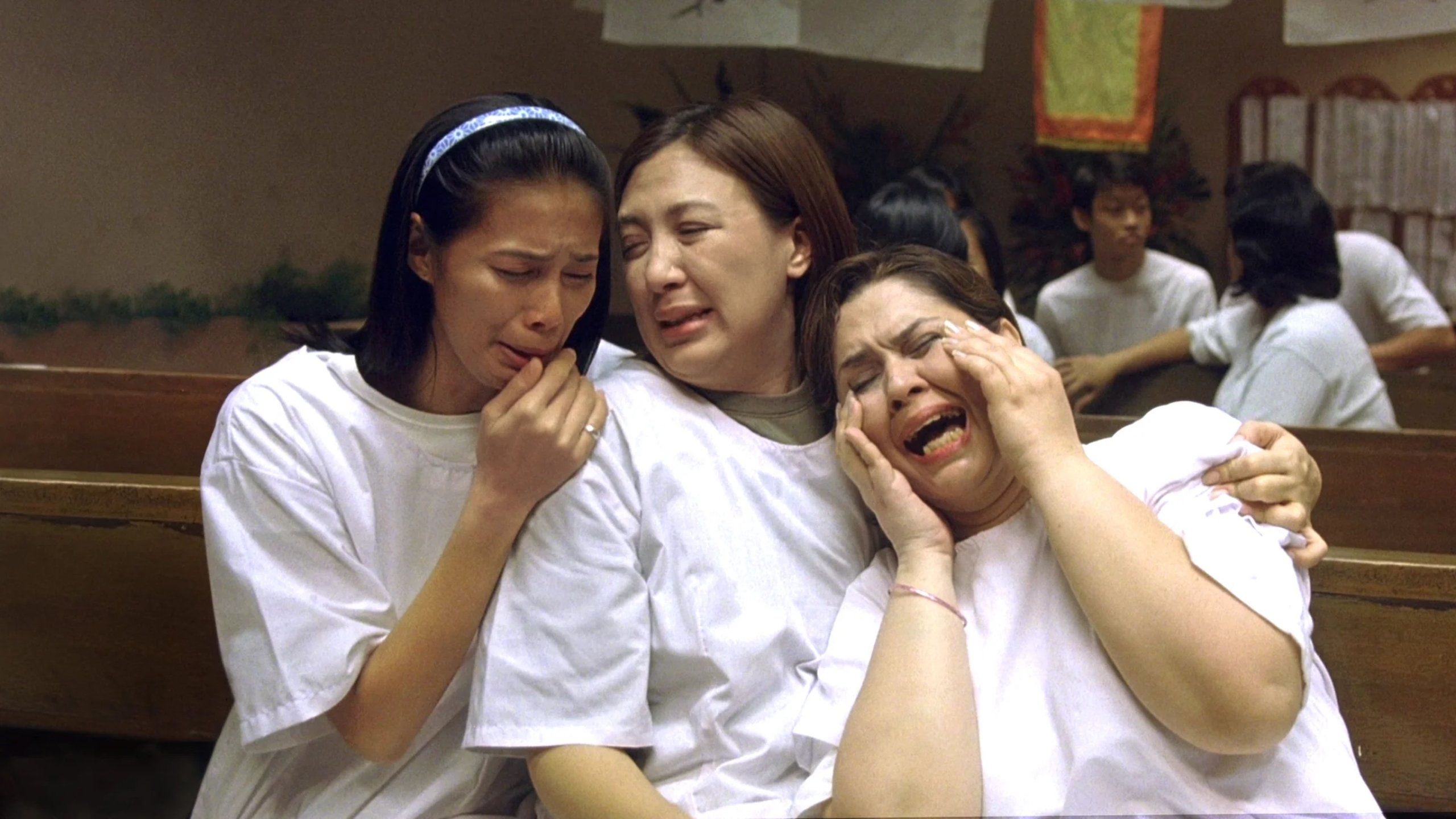
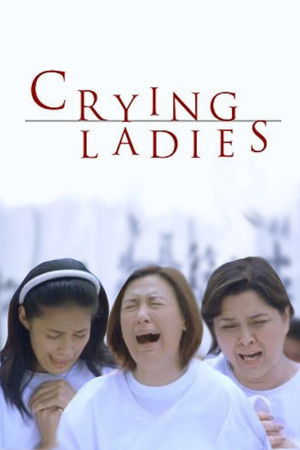


When Wilson is charged with organizing his father's funeral, he hires three professional mourners -- and disaster looms.
Writing great villains is about striking a balance between charming and evil, so we love them but also love to see them lose.
Another uneven "Guess Who's Coming to Dinner" redux that says nothing novel about its subject matter.
True crime media is notoriously obsessed with the “missing white woman” trope, and yet the vast majority of American murder victims are male, and well over half are people of color.
The 1950s lesbian romance is stunning, emotional, restrained, and, simply put, one of the best movies I’ve ever seen depicting a woman-loving-woman (WLW) relationship.
What starts off as a success story for a single mother living below the poverty line, slowly begins to weave itself into a tangled web of greed, guilt, and destruction.