







'The Super Mario Bros. Movie' Comes to the Big Screen
The heroes of the Mushroom Kingdom make their way to the big screen in this animated movie.
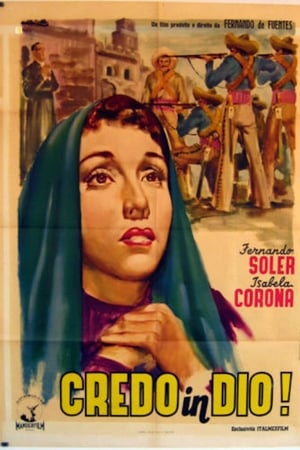


A 1941 film directed by Fernando de Fuentes.
The heroes of the Mushroom Kingdom make their way to the big screen in this animated movie.
Complex relationships between mothers and daughters are far from a new concept, whether the strain comes from abandonment, beliefs, or trauma. In My Only Wish, an Incluvie Film Festival submission, Brenda Gutierrez’s take on her character’s maternal divide comes in the form of abandonment.
Considering the runtime, I expected each scene to hit harder as opposed to a series of montages and vignettes.
Hustlers was meant to be a film about female empowerment. And it was, to a certain extent. I expected and wanted this to be a kickass and complex film of sexy women who use their confidence, skills, and wits towards a brilliant plan to get revenge on the Wall Street guys who wronged them.
Ian and Barley embark on a quest to find a magical gem to restore their father back to life.
Did you know that Disney heroes and villains have kids? Check out the Descendants series.