

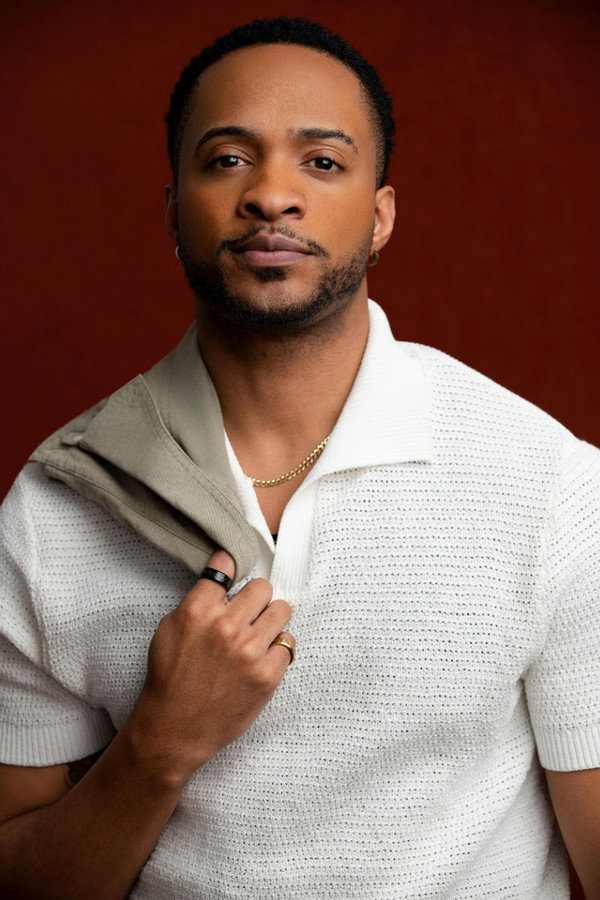
Writing Great Villains: Why They Shouldn't Be Sympathetic
Writing great villains is about striking a balance between charming and evil, so we love them but also love to see them lose.
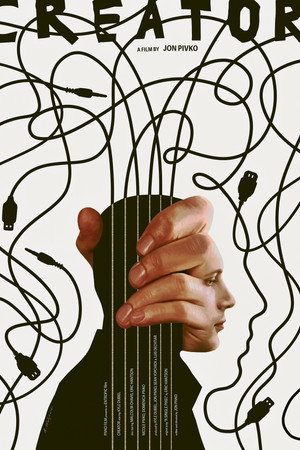


Over the course of one day, a young musician navigates the absurdity of the Information Age as AI blurs the line between art and identity in unexpected ways.
Writing great villains is about striking a balance between charming and evil, so we love them but also love to see them lose.
Documented human suffering is never easy to view or read about and is understandably triggering for many people, but it can be educational, and education is a key to change. An overwhelming amount queer people worldwide (and in my own country) have it far worse than I could imagine, and documentaries such as Welcome to Chechnya bring issues to light that certain groups of people would never see.
If you’re looking for an engaging female-led film that touches on the genres of action, drama, and thriller, look no further than Le-Van Kiet’s "Furie".
I’m still trying to comprehend the psychological and moral implications of their fascination with each other, or why their almost written-in-the-stars depth of connection makes so much sense.
Remember when there was this amazing comedy titled "National Lampoon's Vacation"? To this day, it is a true classic of the genre and certainly put a new spin on precisely what KINDS of insanity could occur when taking the fam on the road. Then, like with so many successful films, there was the sequel (which for me was even MORE of a classic than the original!). However, the third film emerged....and then a fourth. Suddenly, the luster was gone and disappointment set in.
A trouble-making teenager spends the summer working at a Southern California beach learning about responsibility.