




Mitch Downe From "Paranorman" Is Awesome Gay Representation
Gay representation is out there, but to portray a character who's gay as a big, happy brute is a rare treat.
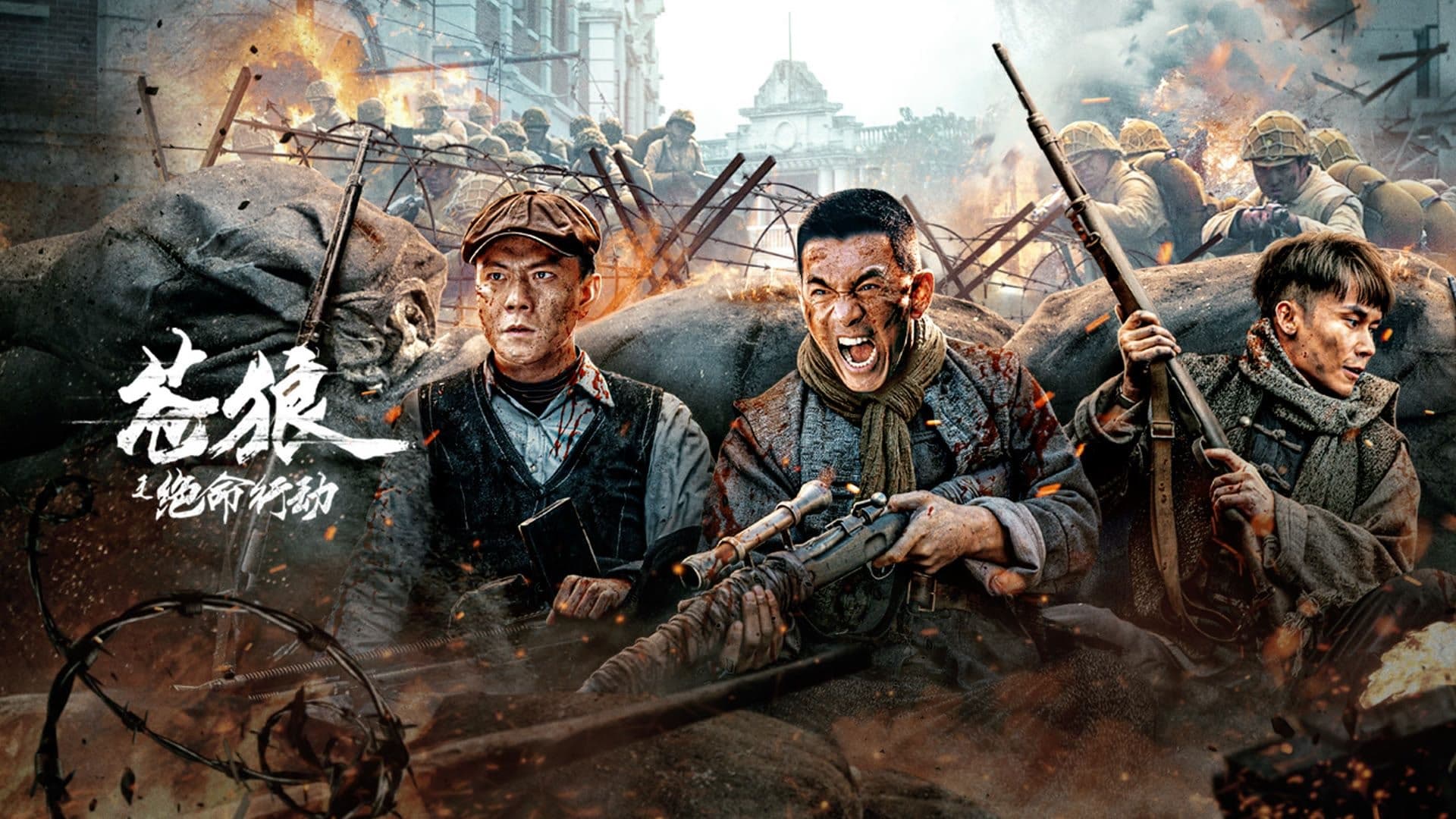
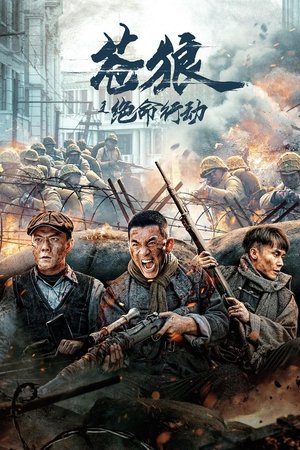


In 1943, in the Lunan area of Shandong Province, Chen Tian Fang, commander of the Lunan Independent Brigade of the Eighth Route Army, led his troops to block the Japanese army. Chief of Staff Lu Chong received an urgent message and mobilized Qin Feng's Canglang Commando to go to Ganyu in the northernmost part of Jiangsu to rescue our party comrade Wang Hua who was imprisoned by the Japanese army. During the rescue process, Wang Hua was attacked and sacrificed. Ouyang Bing's identity as a communist was exposed and he left the military command action team. Through the secret message Wang Hua left on Ouyang Bing before his death, Ouyang Bing learned the location of the tungsten to the west of Shijiagou. The Canglang Commando rushed to Jixiang Village, where the Japanese army was also looking for tungsten. The Canglang Commando and others blocked the Japanese army, withstood the Japanese offensive and successfully transferred the tungsten.
Gay representation is out there, but to portray a character who's gay as a big, happy brute is a rare treat.
Despite it being one of the most visually impressive action movies I’ve ever seen, everything else fell short of my expectations.
We, the Jane Austen aficionados, are suckers for everything and anything under the sun that’s remotely related to her and her world. That’s because we are so drawn to her unique style of fiction, romance, and social commentary, we take any allusion to her influence as a hint to what to expect when we start watching a movie or reading a book.
Overall, Sand Castle was another lack luster war drama that will eventually fade into the many similar war dramas I have seen throughout my life.
The second entry of the Five Nights at Freddy’s series released recently, garnering very divisive reviews amongst both fans and critics.
A few episodes in, I realized the most prominent theme of In The Long Run wasn't culture, race or even finding independence--but the idea of belonging.